A wire harness that passes every electrical test on the bench can still fail catastrophically in the field. Moisture migrates into connector pins through capillary action, salt spray corrodes exposed terminals, and chemical fumes degrade insulation faster than most engineers anticipate. Conformal coating addresses these threats with a thin polymeric film — typically 25 to 250 micrometers thick — that conforms to every contour of the assembly while adding negligible weight.
Unlike potting and encapsulation, which fills entire cavities with compound, conformal coating preserves the harness's flexibility, enables visual inspection of underlying components, and allows rework when needed. This guide covers every aspect of conformal coating for wire harnesses: the five primary coating chemistries, five application methods, the IPC-CC-830 standard, common defects, and a selection framework organized by industry.
"Most competitors write about conformal coating for PCBs only. Wire harnesses present unique challenges — connector-to-wire transition zones, flexing during installation, and the Teflon adhesion problem. The coating that works perfectly on a rigid board can crack or peel on a dynamic harness within months."
OurPCB Engineering Team
What Is Conformal Coating and Why Do Wire Harnesses Need It?
Conformal coating is a thin, transparent polymeric film applied to electronic assemblies and wire harness junctions. The term "conformal" refers to its ability to conform to the three-dimensional topography of components, wires, and connectors. Unlike rigid enclosures, conformal coating adds protection without significantly changing the form factor, weight, or flexibility of the assembly.
Why Wire Harnesses Require Conformal Coating
Wire harnesses face environmental stresses that differ from mounted PCBs. The connector-to-wire transition zone — where crimped or soldered terminals meet the connector housing — is the most vulnerable point. Moisture, vibration, and chemical exposure attack this junction continuously during the harness's service life. Conformal coating seals these critical areas while preserving the harness's ability to flex during installation and routing.
Conformal Coating vs. Potting vs. Encapsulation
Engineers often ask when to use conformal coating versus potting or overmolding. The decision depends on the severity of the environment, weight budget, rework requirements, and cost constraints.
| Factor | Conformal Coating | Potting | Overmolding |
|---|---|---|---|
| Film Thickness | 25–250 μm | 2–50 mm | 1–5 mm |
| Weight Added | Negligible | Significant | Moderate |
| Flexibility | Preserved | Eliminated | Reduced |
| Reworkability | Easy to moderate | Very difficult | Impossible |
| Visual Inspection | Possible (transparent) | Not possible | Not possible |
| Best For | Moderate environments, rework needs | Severe environments, permanent installs | Strain relief, connector transitions |
5 Conformal Coating Types Compared for Wire Harnesses
Each conformal coating chemistry brings distinct advantages and trade-offs. The right choice depends on your operating environment, temperature range, chemical exposure, and rework requirements. Here is how the five primary types compare for wire harness applications.
1. Acrylic Resin (AR) — The Cost-Effective Standard
Acrylic conformal coating holds approximately 44% of the global market share, making it the most widely used type. It cures quickly at room temperature, offers excellent humidity resistance, and dissolves easily in isopropyl alcohol for rework. For wire harnesses in indoor consumer electronics or telecommunications equipment, acrylic delivers reliable protection at the lowest cost per unit.
Strengths
- • Lowest cost, fast air cure (~30 min)
- • Easiest removal with IPA solvent
- • Good humidity and fungus resistance
Limitations
- • Poor chemical resistance
- • Max temperature 120°C
- • Can flake on flexible harness bends
2. Silicone Resin (SR) — The High-Temperature Champion
Silicone coatings offer the widest temperature range of any conformal coating, operating reliably from -65°C to 200°C with some formulations rated to 600°C. Their inherent flexibility makes them ideal for wire harnesses subject to vibration and thermal cycling. For automotive under-hood harnesses and high-temperature applications, silicone is often the first choice.
Strengths
- • Widest temperature range (-65°C to 200°C+)
- • Excellent flexibility and vibration resistance
- • Hydrophobic surface repels moisture
Limitations
- • Poor abrasion resistance
- • Tacky surface attracts dust
- • Moderate chemical resistance
3. Polyurethane Resin (UR) — The Chemical Resistance Specialist
Polyurethane coatings deliver the strongest chemical resistance among conventional conformal coatings. They excel in marine environments, chemical processing plants, and industrial settings where wire harnesses face solvent exposure. The trade-off is a longer cure time and difficulty of removal.
Strengths
- • Excellent chemical and moisture resistance
- • Strong adhesion, good abrasion protection
- • Effective salt spray resistance
Limitations
- • Long cure time (hours to 30 days full cure)
- • Difficult to remove for rework
- • Less flexible than silicone
4. Epoxy Resin (ER) — The Armor Plating
Epoxy produces the hardest, most abrasion-resistant conformal coating available. Its high dielectric strength (110 kV/mm) makes it suitable for high-voltage insulation requirements. However, its rigidity creates a significant drawback for wire harnesses: epoxy can crack at bend points under thermal cycling or vibration, making it best suited for static cable assembly junctions that will not flex after installation.
Strengths
- • Hardest coating, best abrasion resistance
- • High dielectric strength (110 kV/mm)
- • Excellent humidity barrier
Limitations
- • Rigid — cracks under flex or thermal cycling
- • Virtually impossible to remove
- • Not suitable for dynamic harness sections
5. Parylene — The Premium Pinhole-Free Shield
Parylene is deposited through chemical vapor deposition (CVD), producing a coating that penetrates into spaces as narrow as 0.01 mm. With the highest dielectric strength of any conformal coating at 270 kV/mm and complete biocompatibility, parylene is the only coating approved for implantable medical devices. It is also the most expensive option, with dimer costs ranging from $200 to $5,000 per pound.
Strengths
- • Highest dielectric strength (270 kV/mm)
- • Pinhole-free at >0.5 μm thickness
- • Biocompatible, FDA compliant
Limitations
- • Highest cost ($200–$5,000/lb dimer)
- • Requires specialized CVD equipment
- • Extremely difficult to rework
Complete Coating Comparison at a Glance
| Property | Acrylic (AR) | Silicone (SR) | Polyurethane (UR) | Epoxy (ER) | Parylene |
|---|---|---|---|---|---|
| Thickness | 25–75 μm | 50–210 μm | 25–127 μm | 25–127 μm | >0.5 μm |
| Temp Range | -65 to 120°C | -65 to 200°C | -65 to 125°C | -65 to 150°C | -200 to 350°C |
| Dielectric Strength | 80–100 kV/mm | 15–25 kV/mm | 50–100 kV/mm | 110 kV/mm | 270 kV/mm |
| Moisture Resistance | Good | Good | Excellent | Very Good | Excellent |
| Chemical Resistance | Poor | Fair | Excellent | Very Good | Excellent |
| Flexibility | Good | Excellent | Moderate | Poor | Good |
| Reworkability | Easy | Moderate | Difficult | Very Difficult | Very Difficult |
| Relative Cost | $ | $$ | $$ | $$ | $$$$ |
5 Application Methods for Wire Harness Conformal Coating
The application method affects coating uniformity, production throughput, and cost per unit as much as the coating chemistry itself. Here are the five primary methods used in wire harness manufacturing, ranked from simplest to most advanced.
Brush Application — Manual Precision
Best for prototypes, small batches, and selective rework. The operator applies coating directly with a brush, giving precise control over coverage areas. The trade-off is inconsistent thickness, high labor cost, and operator-dependent quality. Suitable for fewer than 50 units per run.
Spray Application — Medium-Volume Workhorse
Aerosol and non-aerosol spray methods offer faster coverage than brushing with better thickness uniformity. Ideal for medium volumes and complex harness geometries. Requires masking of connectors and keep-out zones, and a ventilated spray booth. Overspray waste ranges from 20% to 40% of material used.
Dip Coating — High-Volume Immersion
The entire assembly is submerged in a tank of coating material, then withdrawn at a controlled rate to regulate film thickness. Provides the most uniform coverage of any liquid method. The major challenge for wire harnesses: extensive masking is required to prevent coating from flooding connector pin cavities through capillary action.
Selective Robotic Coating — Automated Precision
Programmable robots apply coating only where needed, eliminating the need for masking in most cases. Multiple nozzle types handle narrow and wide spray paths. The highest equipment cost but lowest per-unit labor cost, making it the preferred method for volumes above 1,000 units per month.
Chemical Vapor Deposition (CVD) — For Parylene Only
A vacuum-based process that polymerizes parylene dimer directly onto the assembly surface. Produces truly uniform coverage that penetrates into every crevice without liquid pooling, surface tension effects, or meniscus formation. Requires dedicated CVD chambers and is restricted to parylene chemistry.
7-Step Conformal Coating Process for Wire Harnesses
Whether you apply conformal coating in-house or through a contract manufacturer, the process follows the same seven stages. Each step directly impacts the quality and longevity of the finished coating.
Incoming Inspection
Inspect the wire harness assembly for component defects, correct wire routing, and proper crimps or solder joints before coating. Any defect buried under coating becomes far more expensive to fix.
Surface Cleaning & Preparation
Remove flux residues, oils, dust, and fingerprints using IPA (minimum 90% concentration) or specialized cleaning solvents. Dyne testing confirms the surface energy is adequate for coating adhesion. Contamination is the primary cause of delamination failures in the field.
Masking Keep-Out Areas
Apply masking to connector pins, test points, mounting hardware, and any area that must remain uncoated. Options include paper-based tape, peelable latex, UV-cure liquid masks, reusable silicone boots, and gel barriers for connector bases. Masking typically accounts for 20–40% of total coating process cost.
Coating Application
Apply the selected coating using the appropriate method (brush, spray, dip, selective, or CVD). Control thickness to the target range of 25–127 μm for most coating types. Maintain controlled temperature and humidity in the application area.
De-Masking (Timing Critical)
Remove all masking materials before the coating fully cures. Removing masks after full cure risks peeling away cured coating with the mask, creating voids at the edges of masked areas.
Curing
Cure the coating per manufacturer specifications. Air-dry acrylic cures in approximately 30 minutes. UV/LED-cure coatings set in seconds. Moisture-cure silicones require controlled humidity. Two-part epoxies need hours of chemical reaction. Inadequate curing is a common root cause of field failures.
Inspection & Quality Verification
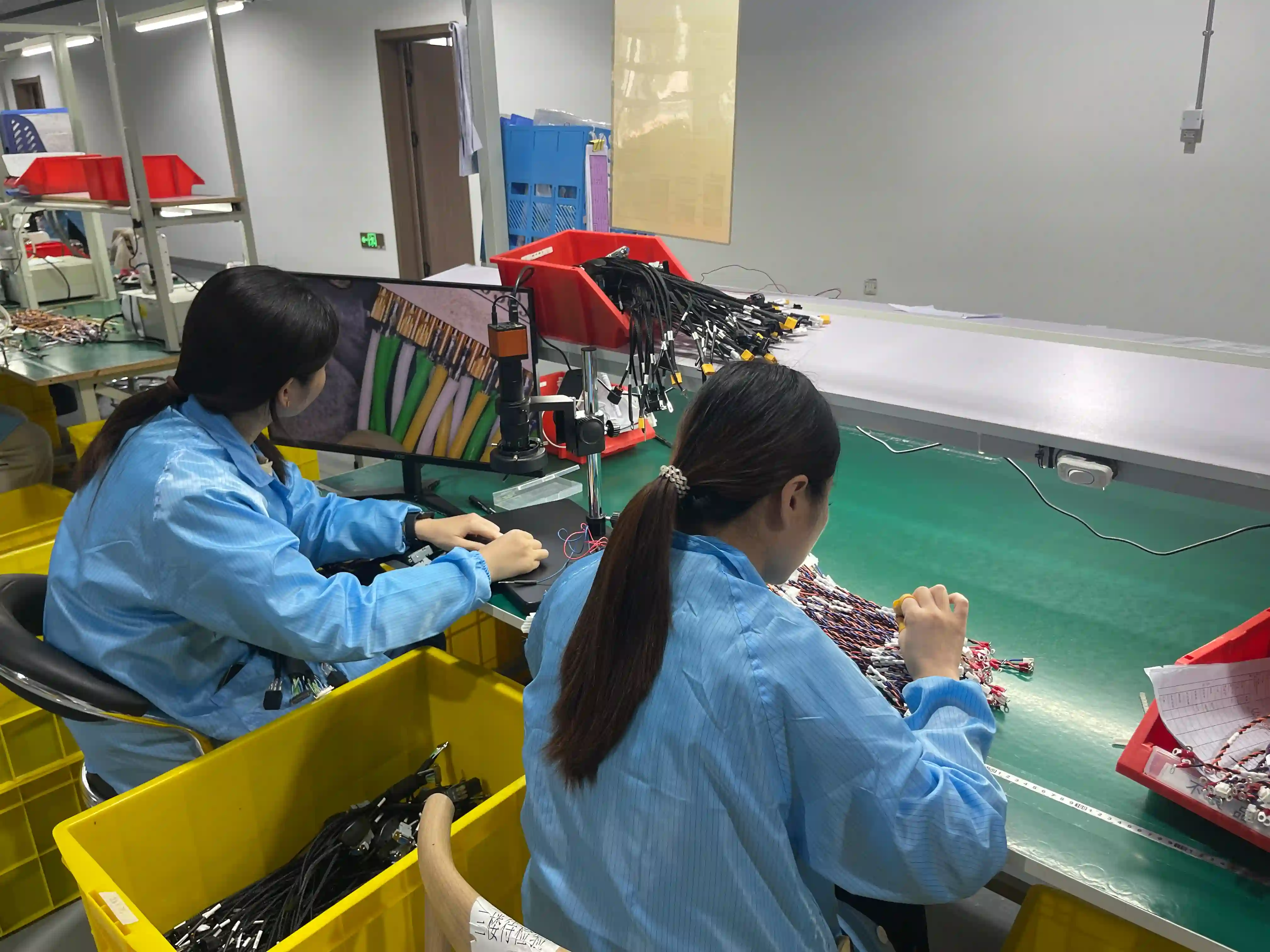
Inspect coating coverage using UV fluorescence (365 nm) — most coatings contain fluorescent tracer additives. Measure thickness with non-contact gauges. Perform adhesion testing per ASTM D3359 (cross-hatch tape test) on witness samples.
"The masking step is where most manufacturers underestimate cost and time. For complex harnesses with 20+ connector pins, masking can consume 30% of your total coating budget. We have found that investing in reusable silicone boots for high-volume programs pays for itself within the first 500 units."
OurPCB Engineering Team
Industry Standards and Certifications
Conformal coating quality is governed by several interconnected standards. Understanding which standard applies to your application ensures your coating passes qualification testing and meets customer specifications. For a broader look at workmanship standards, see our IPC/WHMA-A-620 guide.
IPC-CC-830C — The Current Industry Standard
Replaced MIL-I-46058C for commercial applications. Defines three testing categories: qualification (per batch), retention (every 2 years), and quality conformance (annual). Tests include temperature shock, moisture saturation, fire resistance, fungus exposure, mechanical stress, and dielectric withstanding voltage.
MIL-I-46058C — The Military Legacy Standard
Declared inactive in 1998 but still referenced for the DOD qualified product list. Coatings meeting MIL-I-46058C automatically qualify for IPC-CC-830, but not vice versa. Required for military cable assemblies and defense-grade wire harnesses.
UL 746E — Flammability and Safety
Requires V-0 UL94 flammability rating and annual retesting for registration maintenance. Essential for wire harnesses used in commercial buildings, transportation, and consumer products where fire safety codes apply.
ASTM D3359 — Adhesion Testing
Defines Method A (X-cut tape test) and Method B (cross-hatch tape test) for evaluating coating adhesion. Method B is more rigorous and preferred for qualification testing. Tape is pulled at 180 degrees at a consistent rate from scored coating surface.
7 Common Conformal Coating Defects and How to Prevent Them
Conformal coating defects reduce the protective barrier and can lead to field failures that cost far more than the coating itself. Recognizing these defects and their root causes is essential for both in-house coating operations and incoming quality inspection of coated harnesses from suppliers.
1. Bubbles & Pinholes
Cause: Trapped solvent, coating applied too thick, or contaminated surface
Prevention: Use lower viscosity material, apply thinner coats, ensure surface is clean and dry
2. Delamination
Cause: Flux residue, oil contamination, or incompatible surface energy
Prevention: Thorough IPA cleaning, Dyne testing before application, use compatible flux
3. Cracking & Crazing
Cause: Excessive film thickness, rigid coating on flexible substrate, thermal cycling stress
Prevention: Control thickness to spec, choose flexible coating for dynamic harness sections
4. Orange Peel Texture
Cause: Low spray pressure causing uneven atomization, wrong thinner evaporation rate
Prevention: Correct spray pressure settings, match thinner to ambient conditions
5. Capillary Flow Into Connectors
Cause: Low-viscosity coating wicks into connector pin cavities through surface tension
Prevention: Use gel barriers around connector bases, select higher viscosity coating, or use selective coating robots
6. Dewetting
Cause: Localized contamination causes coating to pull back from specific areas
Prevention: Eliminate all surface contaminants, particularly silicone residues which cause severe dewetting
7. White Residue (Blushing)
Cause: Moisture trapped in film during curing, high ambient humidity
Prevention: Control ambient humidity below 60% RH, ensure assembly is dry before coating
Conformal Coating Selection Guide by Industry
The right conformal coating depends on the specific environmental threats your wire harness will face. Here is a practical selection guide organized by industry, based on real-world performance data and our production experience.
| Industry | Recommended Coating | Key Environmental Threats | Key Standard |
|---|---|---|---|
| Automotive (Under-Hood) | Silicone or UV-Cure Dual-Cure | 200°C heat, vibration, fluid splash | IPC-CC-830C |
| EV Battery Management | Parylene or Silicone | 800V+ dielectric, thermal cycling | IPC-CC-830C, UL 746E |
| Aerospace & Defense | Parylene or Polyurethane | Altitude, rapid thermal cycling, tin whiskers | MIL-I-46058C |
| Medical Implantables | Parylene | Biocompatibility, sterilization, body fluids | FDA, ISO 10993 |
| Marine & Outdoor | Polyurethane or Silicone | Salt spray, UV, humidity, condensation | MIL-STD-810G |
| Industrial & Chemical | Polyurethane or Epoxy | Solvents, acids, oils, abrasion | IPC-CC-830C |
| Consumer Electronics | Acrylic | Humidity, dust, light handling | IPC-CC-830C |
Wire Harness-Specific Coating Challenges and Solutions
Wire harnesses present unique challenges that PCB-focused conformal coating guides typically overlook. Addressing these early in the design phase prevents costly field failures.
Connector-to-Wire Transition Zone
The junction where wires enter the connector housing is the most failure-prone point in any coated harness. Coating can wick into connector pins via capillary action, creating insulating barriers on mating surfaces that cause intermittent contact failures.
Solution: Apply gel barriers around the connector base before coating. For selective coating, program a 2–3 mm standoff from connector entry points. Specify sealed-back connectors where the design allows.
Teflon (PTFE) Wire Adhesion Problem
Conformal coating does not adhere to Teflon-insulated wire. The extremely low surface energy of PTFE causes the coating to bead up and peel away, leaving these wires completely unprotected. This is a known issue confirmed by industry bodies like EPTAC.
Solution: Mechanical abrasion of the wire surface, specialty plasma treatment to increase surface energy, or wrapping the Teflon wire with adhesion-promoting tape before coating. See our Kapton vs Teflon comparison for wire insulation alternatives.
Flexibility and Bend Radius Requirements
Wire harnesses flex during installation, routing, and service life. Rigid coatings like epoxy crack at bend points under thermal cycling or vibration, exposing the underlying conductors to environmental attack.
Solution: Select silicone or acrylic for dynamic harness sections. Reserve rigid coatings (epoxy) only for static junction points. Specify minimum bend radius in the harness design documentation and test coated samples at that radius.
High-Voltage EV Harness Coating
EV battery systems operating at 800V and above demand coatings with exceptional dielectric strength that maintain integrity across the vehicle's lifetime. The coating must accommodate harness movement while providing a continuous insulation barrier.
Solution: Parylene (270 kV/mm) is the preferred choice for high-voltage applications. For cost-sensitive programs, silicone coatings provide adequate dielectric performance with superior flexibility. Learn more in our EV battery harness case study.
Conformal Coating Cost Analysis
Material cost per unit is only a fraction of the total conformal coating expense. Hidden costs in masking, equipment, and rework often dominate the budget. Understanding the full cost picture helps you make an informed selection. For a broader perspective on cost management, see our top 10 wire harness cost factors.
| Cost Factor | Acrylic | Silicone | Polyurethane | Epoxy | Parylene |
|---|---|---|---|---|---|
| Material Cost | Low | Moderate | Moderate | Moderate | Very High |
| Equipment Investment | Spray booth | Spray booth | Spray booth | Spray booth | CVD chamber ($$$) |
| Masking Cost | 20–40% of process | 20–40% of process | 20–40% of process | 20–40% of process | 20–40% of process |
| Rework Cost | Low (IPA dissolves) | Moderate | High (difficult removal) | Very High (near impossible) | Very High (micro-abrasion) |
| Cure Time | ~30 min (air) | ~1 hr (RT) | Hours to days | Hours (2-part) | N/A (CVD process) |
"Engineers focus on material cost per liter, but the real expense is in masking and labor. A wire harness with 15 connector interfaces can require 45 minutes of masking before a 5-minute spray application. That is why selective robotic coating is transforming the economics of high-volume programs — it eliminates 80% of masking labor."
OurPCB Engineering Team
Testing and Inspection Methods for Coated Harnesses
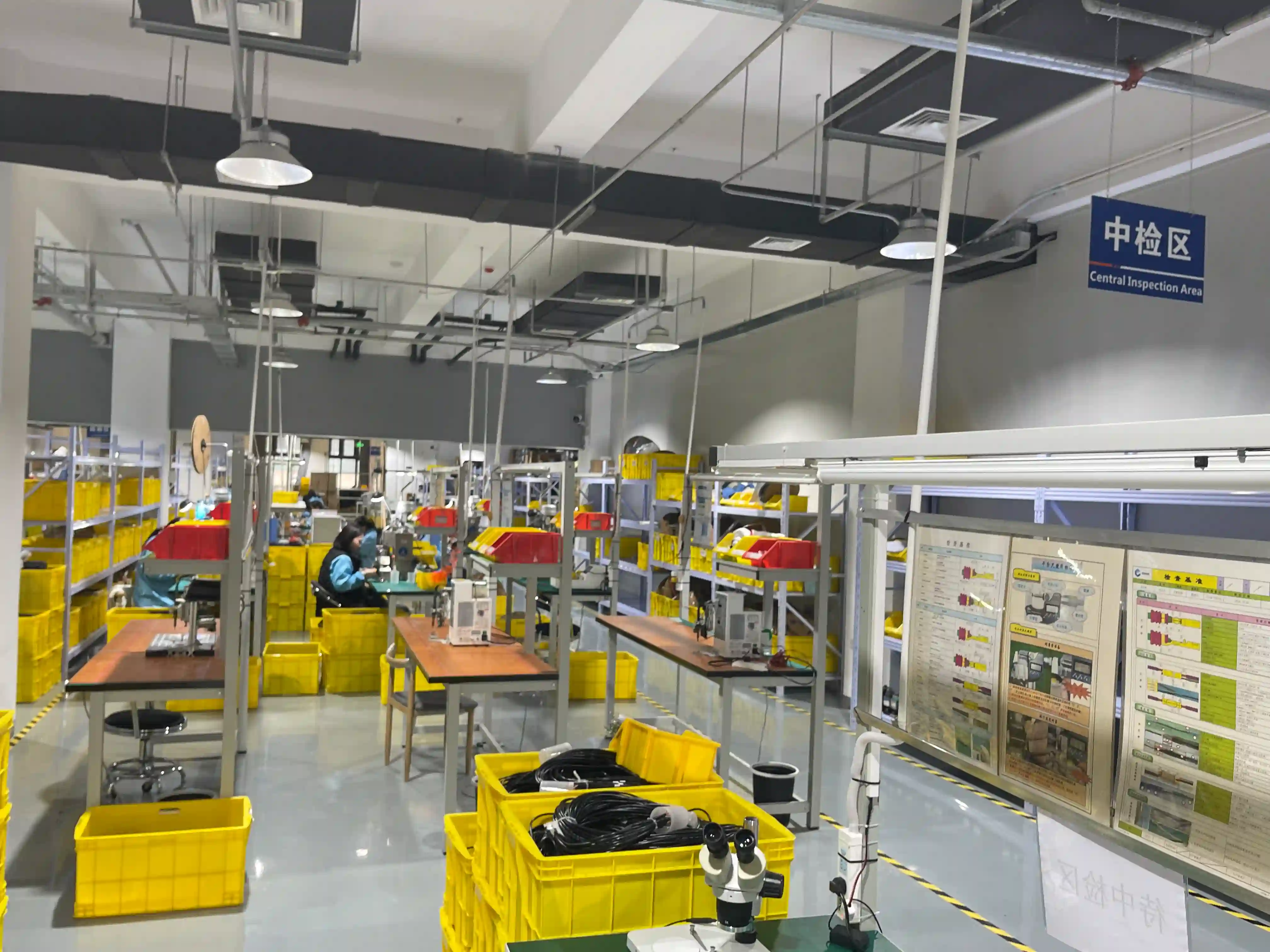
Inspection is the final defense against coating defects reaching the customer. Multiple testing methods are used in combination to verify coverage, adhesion, and thickness. For related testing methods, see our guide to wire harness environmental testing.
UV Fluorescence Inspection
Most conformal coatings contain fluorescent tracer additives that glow under 365 nm UV light. This fast, non-destructive method reveals voids, thin spots, and missed areas instantly.
Cross-Hatch Adhesion Test (ASTM D3359)
A grid of perpendicular cuts is made through the coating to the substrate. Tape is applied and pulled at 180 degrees. The amount of coating that peels off indicates adhesion quality on a 0–5 scale.
Thickness Measurement
Non-contact eddy current or magnetic gauges measure cured coating thickness. Cross-section analysis provides precise measurement for qualification samples. Target: 25–127 μm depending on type.
Surface Insulation Resistance (SIR)
Measures the electrical resistance of the coating surface under humidity conditions. Verifies the coating provides adequate moisture barrier for the intended application environment.
Frequently Asked Questions
Is conformal coating waterproof?
No. Conformal coating is moisture-resistant, not waterproof. It significantly slows moisture ingress and prevents condensation damage, but it is not a standalone waterproofing solution. Conformal coating can contribute to achieving IP ratings (such as IPX4 or IPX7) when combined with sealed connectors and proper harness design, but full submersion protection typically requires potting or encapsulation.
Can conformal coating be applied to assembled wire harnesses?
Yes, conformal coating is routinely applied to fully assembled wire harnesses. The critical requirement is proper masking of connector pins, mating surfaces, and any keep-out zones before application. For complex harnesses, selective robotic coating eliminates most masking requirements.
How long does conformal coating last?
Service life depends on the coating type and operating environment. Acrylic coatings in indoor environments can last 10+ years. Silicone and polyurethane coatings in harsh outdoor or automotive environments typically provide 5–15 years of protection. Parylene coatings on medical implants are designed for 20+ year lifetimes.
Does conformal coating affect signal integrity?
At standard thicknesses (25–127 μm), conformal coating has minimal impact on signal integrity. The dielectric properties of the coating actually improve insulation between adjacent conductors. For high-frequency RF applications, test the specific coating material to verify it does not introduce unacceptable capacitance or signal loss.
What is the difference between IPC-CC-830 and MIL-I-46058C?
IPC-CC-830C is the current commercial industry standard that replaced MIL-I-46058C, which was declared inactive in 1998. Coatings certified to MIL-I-46058C automatically meet IPC-CC-830 requirements, but IPC-CC-830 certified coatings do not automatically qualify under MIL-I-46058C. Defense contracts typically require MIL-I-46058C certification specifically.
Can I apply conformal coating over Teflon-insulated wires?
Conformal coating does not adhere to Teflon (PTFE) insulation due to its extremely low surface energy. Solutions include mechanical surface abrasion, plasma treatment to temporarily increase surface energy, or wrapping Teflon wires with adhesion-promoting tape before coating application.
References & Further Reading
- • Techspray — The Essential Guide to Conformal Coating
- • HZO — Definitive Guide to Choosing a Conformal Coating Type
- • SCS Coatings — Conformal Coating Specifications & Guidelines
- • Advanced Coating — IPC-CC-830 and MIL-I-46058C Standards Explained
- • Chase Corp (HumiSeal) — Ultimate Guide to ASTM D3359 Adhesion Testing
Related Articles
OurPCB Engineering Team
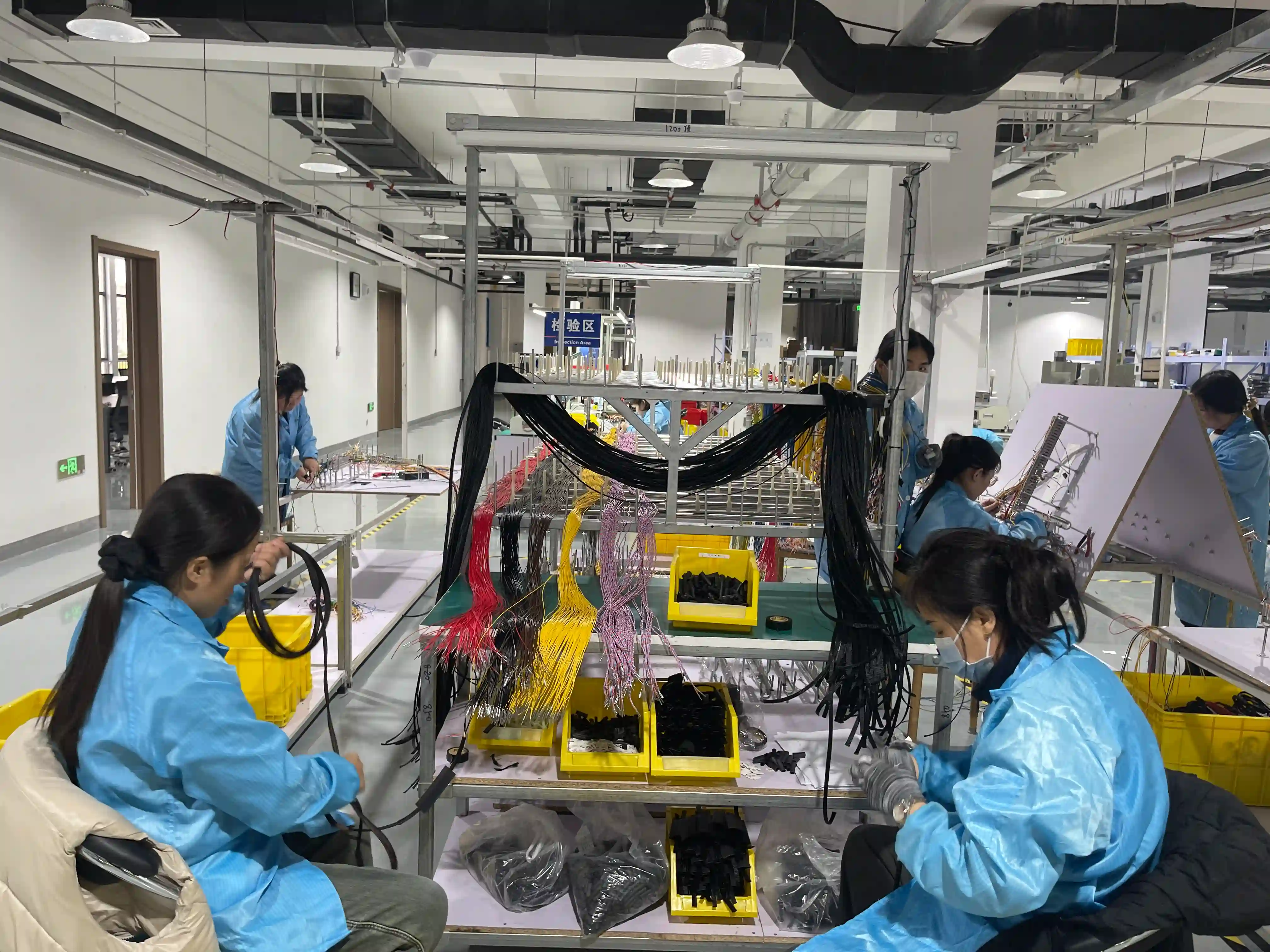
Our engineering team brings over 15 years of combined experience in wire harness design, manufacturing, and environmental protection. The team specializes in conformal coating processes for automotive, aerospace, and medical cable assemblies, helping customers select the optimal protection strategy for their specific operating environments.