Top 10 Wire HarnessCost Factors
Understanding what drives wire harness pricing helps you make smarter design decisions, negotiate better deals, and optimize your manufacturing budget.
For more information on industry standards, see wire harness and IPC/WHMA-A-620.
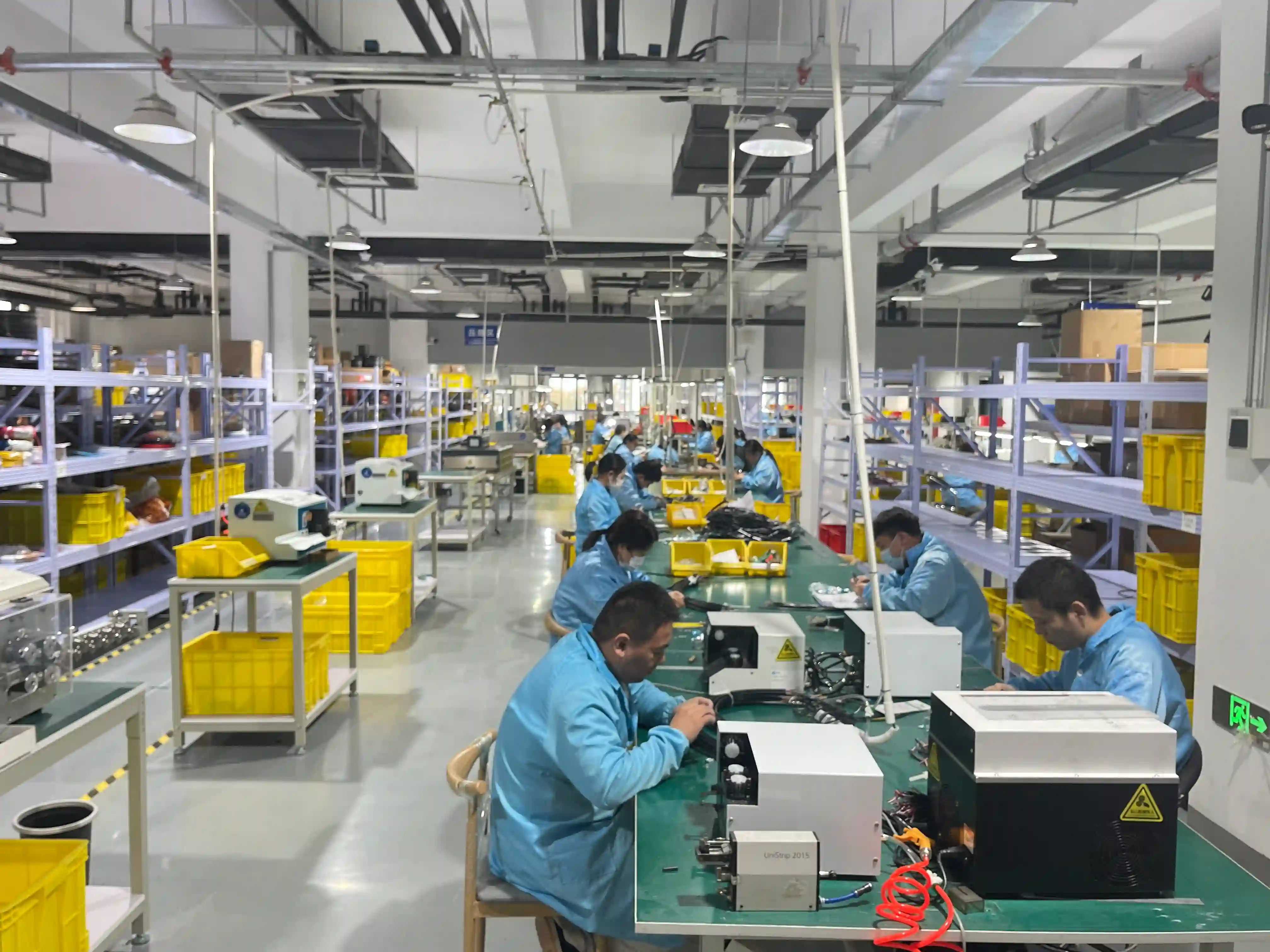
Wire harness pricing often seems like a black box. You send an RFQ, get a number back, and wonder why similar-looking harnesses have such different prices. Understanding the factors that drive costs empowers you to make better decisions—optimizing your design for cost without sacrificing quality.
Wire harness costs break down into three main categories: raw materials (typically 30-50% of cost), labor and manufacturing (30-40%), and overhead, testing, and logistics (15-25%). Within each category, specific choices dramatically impact the final price.
This guide breaks down the ten most significant cost factors and provides actionable strategies to optimize each one—without compromising the reliability your application demands.
Typical Wire Harness Cost Breakdown
- • Wire and cable
- • Connectors and terminals
- • Protective sleeving
- • Heat shrink, tape, labels
- • Cutting and stripping
- • Crimping and termination
- • Assembly and bundling
- • Testing and inspection
- • Engineering and NRE
- • Quality management
- • Logistics and shipping
- • Facility and equipment
The biggest cost-saving opportunity isn't negotiating harder on price—it's making smart design decisions early. Programs can encounter customers reduce harness cost by 30% just by standardizing wire gauges, choosing more common connectors, and simplifying their breakout configurations. The best time to optimize cost is before the design is frozen, not after you've received quotes.
OurPCB Engineering Team
Raw Material Costs
Wire, connectors, and components (30-50% of total cost)
Key Material Cost Drivers
Copper Content
Wire gauge and total length directly impact copper costs. Larger gauges and longer runs mean more copper. With commodity prices fluctuating, this can significantly affect pricing on copper-heavy assemblies like EV battery cables.
Connector Selection
Connectors can range from $0.10 to $50+ each. Premium brands like Molex, JST, or TE cost more than generics but offer reliability guarantees.
Insulation Type
PVC is cheapest. TPE, silicone, and PTFE cost 2-10x more but handle harsh environments.
Cost Optimization Tips
- Don't overspec wire gauge—use calculator to find optimal size
- Allow "or equivalent" for connectors where brand isn't critical
- Use premium materials only where environment requires
- Standardize wire colors and gauges across product line
- Consider aluminum for weight-sensitive, non-flex applications
Labor and Assembly Time
The human element in harness manufacturing
What Drives Labor Costs
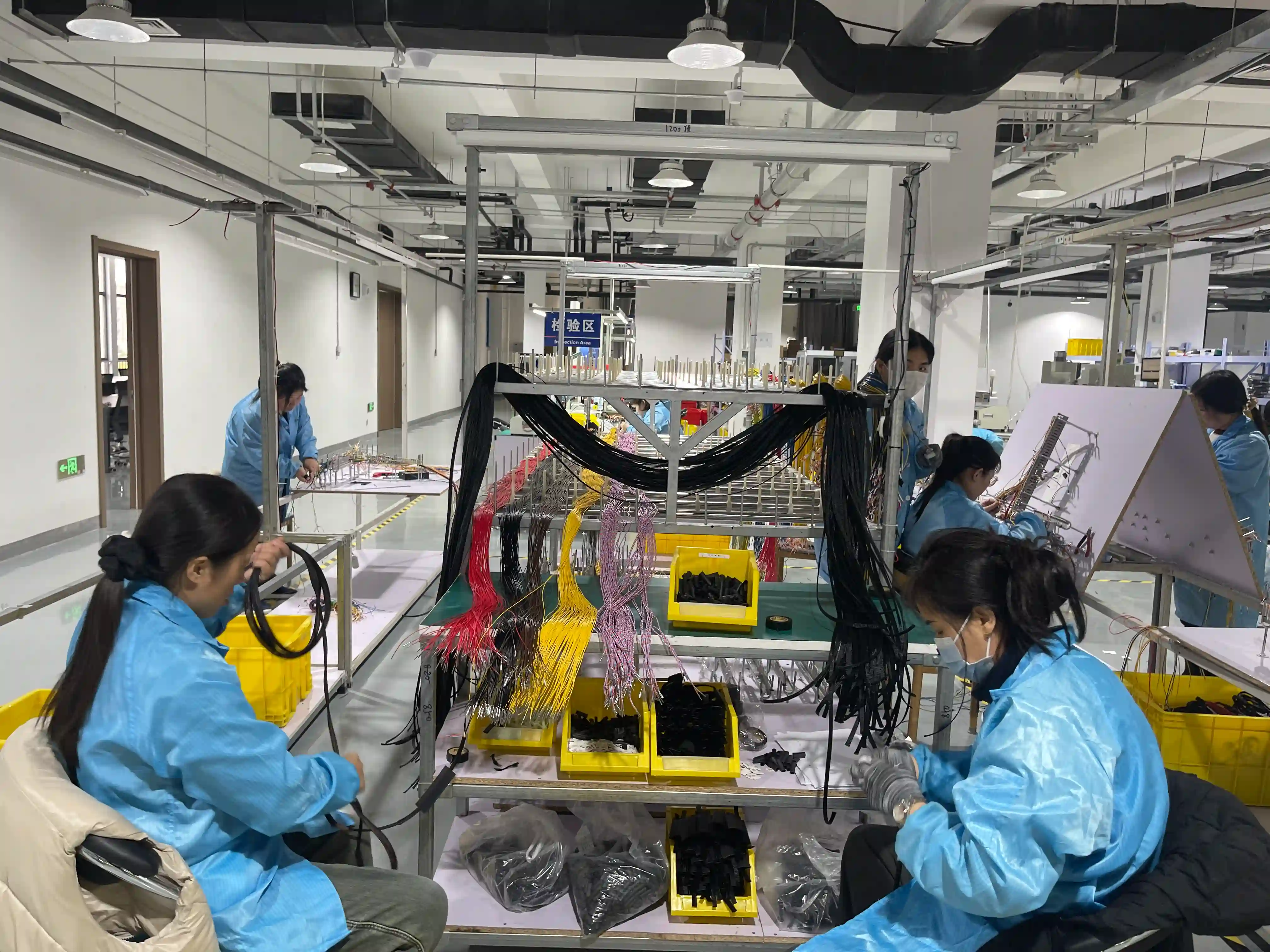
Wire harness assembly remains labor-intensive despite automation advances. The number of terminations, complexity of routing, and assembly sequence all impact the time (and thus cost) required. Labor costs vary significantly by manufacturing location—China, Mexico, and domestic options offer different cost/lead-time tradeoffs.
Labor-Intensive Operations
- Manual wire crimping and termination
- Connector insertion and pin seating
- Complex branch formation and bundling
- Secondary operations (heat shrink, labels, sleeves)
Labor Cost Reduction
- Reduce termination count—each crimp/connection takes time
- Use IDC connectors where appropriate for faster assembly
- Consider automation for high-volume, simple harnesses
- Simplify breakout configurations
- Design for efficient assembly sequence
Order Volume
Economies of scale in action
How Volume Affects Price
Larger orders spread fixed costs (setup, tooling, NRE) across more units and enable bulk material purchasing. The cost curve drops steeply initially, then flattens as volumes increase. Understanding this curve helps you optimize order quantities.
Typical Volume Price Effect
Volume Optimization Strategies
- Commit to annual volume for better pricing agreements
- Consolidate orders across product lines where possible
- Request blanket orders with scheduled releases
- Balance inventory costs against volume savings
- Consider VMI (vendor-managed inventory) programs
Seven More Key Cost Factors
Design Complexity
More branches, tighter tolerances, and complex routing increase assembly time and error potential. Simple, linear harnesses cost less than multi-branched assemblies with the same conductor count.
Cost Impact
- • Each branch point adds 5-10% to assembly time
- • Tight tolerances require more inspection
- • Complex routing needs specialized fixtures
Testing Requirements
Basic continuity testing is standard. Hi-pot, insulation resistance, pull testing, and environmental testing add cost but ensure reliability. The testing level should match application criticality.
Testing Cost Ranges
- • Basic continuity: Included in base price
- • 100% hi-pot: +$0.50-2.00 per unit
- • Full test with documentation: +$2-10 per unit
NRE and Tooling
Non-recurring engineering costs include fixture design, test program development, and first article inspection. These upfront costs are amortized over production volume—higher volumes mean lower per-unit impact.
Typical NRE Costs
- • Assembly board/fixture: $200-2,000
- • Test fixture: $500-5,000
- • Engineering review/documentation: $200-1,000
Certifications Required
UL, CSA, CE, and other certifications add compliance costs. Certified products require documented processes, specific materials, and ongoing audits. Essential for regulated markets but adds 10-30% to cost.
Certification Costs
- • UL listing process: $5,000-20,000
- • Certified materials premium: 10-30%
- • Documentation requirements: +$1-5/unit
Lead Time Requirements
Rush orders cost more. Expediting requires overtime, premium shipping, and may mean paying more for quick-ship components. Standard lead times optimize cost; expedites can add 20-100% premium.
Lead Time Impact
- • Standard (2-4 weeks): Base price
- • Expedite (1-2 weeks): +15-30%
- • Rush (<1 week): +30-100%
Secondary Operations
Overmolding, potting, braided sleeving, and special labeling add significant cost. Each secondary operation means additional handling, materials, and often specialized equipment.
Secondary Op Costs
- • Overmolding: +$2-15 per connector
- • Potting: +$5-30 per enclosure
- • Braided sleeve: +$1-5 per meter
Logistics and Packaging
Shipping, customs, packaging requirements, and delivery terms all affect total landed cost. For offshore manufacturing, logistics can add 5-15% to product cost. Special packaging for protection or kitting for assembly adds more.
Logistics Considerations
- • Sea freight (3-6 weeks): +3-5% of product cost
- • Air freight (3-5 days): +10-20% of product cost
- • Customs duties (US from China): 0-25% depending on classification
- • Special packaging/kitting: +$0.50-5 per unit
Customers often ask how to reduce cost without sacrificing quality. The practical answer: involve your manufacturer early. We can suggest equivalent components that cost less, simplify assemblies for easier production, and identify unnecessary specifications that add cost without adding value. The best cost reductions come from collaboration, not negotiation.
OurPCB Engineering Team
Cost Reduction Strategy Summary
| Cost Factor | Potential Savings | Key Strategy |
|---|---|---|
| Raw Materials | 10-30% | Allow equivalents, optimize wire gauge, standardize |
| Labor | 15-40% | Simplify design, reduce terminations, consider automation |
| Volume | 20-40% | Commit to annual volumes, consolidate orders |
| Complexity | 10-25% | Simplify branches, relax non-critical tolerances |
| Testing | 5-15% | Match test level to application criticality |
| NRE/Tooling | Per-unit variable | Maximize volume to amortize; reuse fixtures |
| Certifications | 10-20% | Only certify where required; use pre-certified components |
| Lead Time | 15-50% | Plan ahead; avoid expedite fees |
| Secondary Ops | 5-20% | Use only where functionally necessary |
| Logistics | 5-15% | Optimize shipping mode; consolidate shipments |
Frequently Asked Questions
Why is my prototype so expensive compared to production pricing?
Prototypes bear the full burden of setup costs (fixtures, test programs, engineering review) that would normally be spread across thousands of units. Additionally, prototype quantities don't qualify for volume material discounts, and the lack of production experience means slower assembly. Expect prototypes to cost 2-5x the eventual production unit price.
How much can I save by moving production offshore?
Labor cost savings of 40-60% are typical, but total savings depend on many factors. You'll add logistics costs, longer lead times, potential quality management overhead, and communication challenges. Net savings of 20-35% are realistic for suitable products. See our China vs Mexico comparison for detailed analysis.
What volume do I need to see significant price breaks?
The first major price break typically occurs around 100-500 units when setup costs are absorbed. Another break happens at 1,000-5,000 units when material volume discounts kick in. Beyond 10,000 units, automation options become viable for further savings. The exact breakpoints depend on harness complexity.
How do I get accurate quotes for budgeting?
Provide complete documentation: detailed drawings with dimensions, bill of materials with approved manufacturers, annual volume estimate, quality requirements (IPC class, testing), and application/environment information. Incomplete RFQs result in quotes with contingency padding. The more detail you provide, the more accurate the quote.
Should I specify exact part numbers or allow equivalents?
For connectors and terminals, specifying approved manufacturers (e.g., "Molex or equivalent") gives your supplier flexibility to source better-priced alternatives. For critical specifications like insulation materials and wire ratings, be specific. Allow equivalents where fit, form, and function are met.

“In over 20 years of manufacturing experience, we have learned that quality control at the component level determines 80% of field reliability. Every specification decision you make today affects warranty costs three years from now.”
— OurPCB Engineering Team
Get a Detailed Quote with Cost Breakdown
Our team provides transparent quotes with detailed cost breakdowns. We'll work with you to identify cost optimization opportunities without sacrificing quality. Send us your requirements for a free consultation.