Top 8 Questions to AskCable Assembly Suppliers
Choosing the wrong supplier can cost you months of delays, quality issues, and budget overruns. Ask these questions before signing any agreement.
For more information on industry standards, see wire harness and IPC/WHMA-A-620.
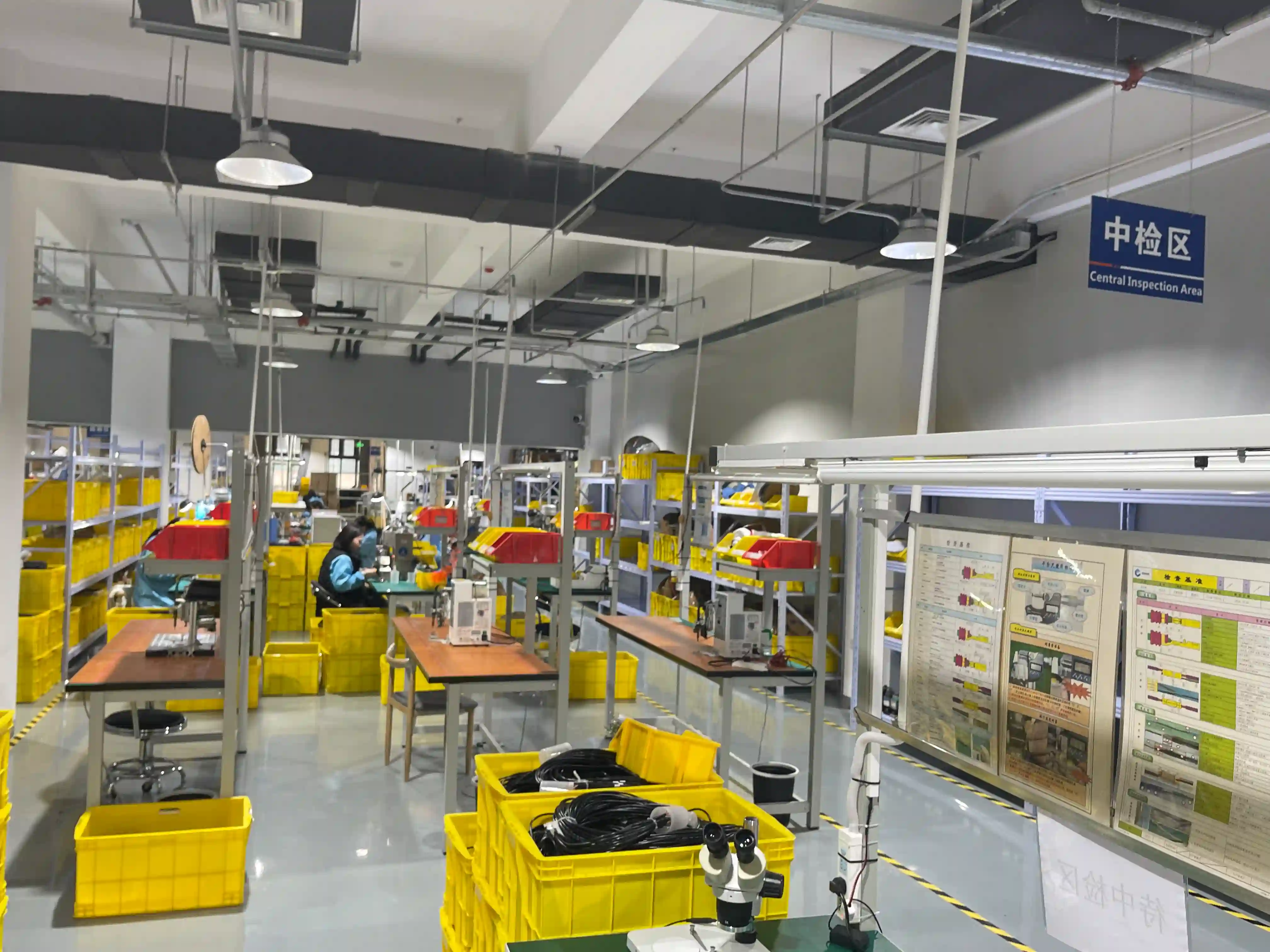
When you're evaluating cable assembly suppliers, it's tempting to focus primarily on price. But experienced procurement professionals know that the lowest quote often leads to the highest total cost—through quality issues, delays, miscommunication, and rework.
The right supplier isn't just a vendor; they're a partner who understands your requirements, offers engineering expertise, and delivers consistently. Finding that partner requires asking the right questions—questions that go beyond "what's your price?" to reveal true capabilities and fit.
Whether you're sourcing automotive harnesses, medical cable assemblies, or industrial control cables, these eight questions will help you identify suppliers who can truly meet your needs.
the review always tell potential customers: the best RFQ conversations aren't about getting the lowest price—they're about understanding what you're really buying. A cheap quote from a supplier who doesn't understand your requirements isn't a bargain; it's a recipe for problems. The questions you ask upfront determine whether you'll have a smooth project or a frustrating one.
OurPCB Engineering Team
What Quality Certifications Do You Hold?
Understanding their quality management foundation
Why This Matters
Certifications aren't just badges—they represent systematic approaches to quality management, documented processes, and third-party verification. For regulated industries, specific certifications may be mandatory. Even for non-regulated products, certifications indicate a supplier's commitment to quality.
Key Certifications to Look For
- ISO 9001 — Baseline quality management system
- IATF 16949 — Required for automotive supply chain
- ISO 13485 — Required for medical device manufacturing
- IPC/WHMA-A-620 — Cable assembly workmanship standard
- UL/CSA — For North American market compliance
Follow-Up Questions
- "Can I see copies of your current certificates?"
- "When is your next certification audit scheduled?"
- "Have you had any major non-conformances in recent audits?"
- "Which IPC-A-620 class do you typically produce to?"
Red Flag: A supplier who can't provide current certificates or who hasn't had a recent audit may not have the quality systems you need.
What Testing Do You Perform and When?
Understanding quality verification throughout production
Why This Matters
Testing is your last line of defense against quality escapes. A supplier who only tests at the end of production will catch problems too late—after labor and materials are already invested. The best suppliers test at multiple stages and use statistical process control to prevent defects rather than just detect them.
Essential Tests
- Continuity testing — Verifies every circuit is complete
- Hi-pot testing — Verifies insulation integrity (typically 500V+)
- Pull testing — Verifies crimp quality and terminal retention
- Millivolt drop — Critical for high-current circuits
- Visual inspection — Per IPC-A-620 workmanship standards
Questions to Ask
- "Do you perform 100% testing or sample-based testing?"
- "What test data do you provide with each shipment?"
- "Can you perform application-specific testing (vibration, thermal, etc.)?"
- "How do you monitor crimp quality during production?"
Good Sign: Suppliers who use crimp force monitoring and can show statistical process control data are investing in defect prevention, not just detection.
What Are Your Typical Lead Times?
Understanding production timelines and capacity
Why This Matters
Lead times affect your inventory planning, product launch schedules, and ability to respond to demand changes. A supplier with consistent, predictable lead times is worth more than one who promises short lead times but frequently misses them.
Typical Lead Time Ranges
First builds require tooling setup, process development, and quality verification.
Established products with available materials and proven processes.
Special connectors, overmolding, tight tolerances, or certifications required.
Dig Deeper
- "What's your on-time delivery rate over the past 12 months?"
- "How do lead times change during your busy season?"
- "Do you offer expedite options and at what premium?"
- "How much of the lead time is material procurement vs. production?"
Pro Tip: Ask for historical on-time delivery data. Promised lead times mean nothing if the supplier consistently misses them.
What Engineering Support Do You Provide?
Understanding design assistance and technical expertise
Why This Matters
The best suppliers aren't just build-to-print manufacturers—they're partners who can improve your designs, suggest cost reductions, and prevent problems before production. Look for suppliers who offer genuine engineering value, not just order-taking.
Valuable Engineering Services
- Design for Manufacturability (DFM) reviews
- Component selection assistance and alternatives
- Wire gauge and material recommendations
- Cost reduction suggestions without sacrificing quality
- Prototype development and design iteration
Questions to Ask
- "Will you review our design and suggest improvements?"
- "Do you have engineers on staff or is design work outsourced?"
- "Can you share examples of cost savings you've achieved for other customers?"
- "How do you handle design changes during production?"
During review a new project, the goal is to improve the design—not to be critical, but because our manufacturing experience often reveals opportunities the original designer couldn't see. A connector that's hard to source, a wire routing that will be difficult to assemble, a spec that adds cost without adding value. The customers who listen to these suggestions end up with better products at lower costs.
OurPCB Engineering Team
Four More Critical Questions
How Do You Handle Component Sourcing and Obsolescence?
Supply chain management separates good suppliers from great ones. Component shortages and obsolescence can stop your production just as effectively as quality issues.
What Are Your Volume Capabilities and Scalability?
Your needs may change. A supplier who can handle prototypes but struggles with volume—or vice versa—may not grow with you. Understand their capacity range.
How Will We Communicate and What Support Structure Exists?
Communication problems cause more project failures than technical issues. Understand who you'll be working with and how responsive they'll be.
What Happens When Something Goes Wrong?
Every supplier makes mistakes. What separates good suppliers is how they respond. Understand their quality escape process and corrective action approach.
Supplier Evaluation Scorecard
| Evaluation Criteria | Weight | Poor (1) | Acceptable (3) | Excellent (5) |
|---|---|---|---|---|
| Quality Certifications | 15% | No ISO, no IPC | ISO 9001 only | IATF 16949 + IPC-A-620 |
| Testing Capabilities | 15% | Basic continuity only | 100% continuity + hi-pot | Full test suite + SPC data |
| Lead Time Performance | 15% | <85% on-time | 90-95% on-time | >98% on-time |
| Engineering Support | 15% | Build-to-print only | Basic DFM review | Proactive design optimization |
| Supply Chain Management | 10% | Single source all parts | Multiple sources available | Proactive obsolescence mgmt |
| Scalability | 10% | Fixed volume range | Flexible within limits | Prototype to mass production |
| Communication | 10% | Slow, unclear | Responsive, professional | Dedicated contact, proactive |
| Problem Resolution | 10% | Defensive, slow | Cooperative, fixes issues | 8D process, continuous improvement |
How to Use This Scorecard
Rate each supplier on a 1-5 scale for each criteria. Multiply by the weight and sum for a total score. A score below 3.0 indicates significant concerns. 3.5-4.0 is acceptable. Above 4.0 indicates a strong supplier candidate. Always verify claims with references and facility audits when possible.
The question buyers should ask is: 'What do you wish you knew before starting a project like mine?' An honest supplier will share the pitfalls they've seen—the specification gaps, the component availability issues, the certification timeline surprises. If a supplier only tells you what you want to hear, that's a red flag. The best partnerships start with honest conversations.
OurPCB Engineering Team
Frequently Asked Questions
Should I always go with the lowest-cost supplier?
Rarely. The lowest quote often excludes important factors like testing, documentation, and quality systems. Calculate total cost of ownership including potential quality issues, delays, and management overhead. A 10% higher quote from a reliable supplier often costs less than a cheap quote from an unreliable one.
How important is visiting the supplier's facility?
Very important for significant programs. A facility visit reveals things that documents can't—the cleanliness of the factory, the sophistication of equipment, the organization of processes, and the culture of quality. For smaller orders, request a virtual tour or detailed photos of their production area.
What should I include in my RFQ to get accurate quotes?
Include complete drawings or 3D models, bill of materials with approved manufacturers, annual volume estimate and order frequency, required certifications, testing requirements, target price (if any), and timeline for first article and production. The more detail you provide, the more accurate the quote will be.
How do I evaluate suppliers in different countries?
Consider total landed cost (including shipping, duties, lead time), communication challenges (time zones, language), IP protection laws, and supply chain resilience. See our comparison of China vs Mexico manufacturing for detailed guidance on geographic considerations.
Should I use single or multiple suppliers?
It depends on your risk tolerance and volume. Single sourcing offers better pricing and deeper relationships but higher risk. Multiple sourcing reduces risk but increases complexity and cost. Many companies use a 70/30 primary/secondary split for critical items.
Related Articles
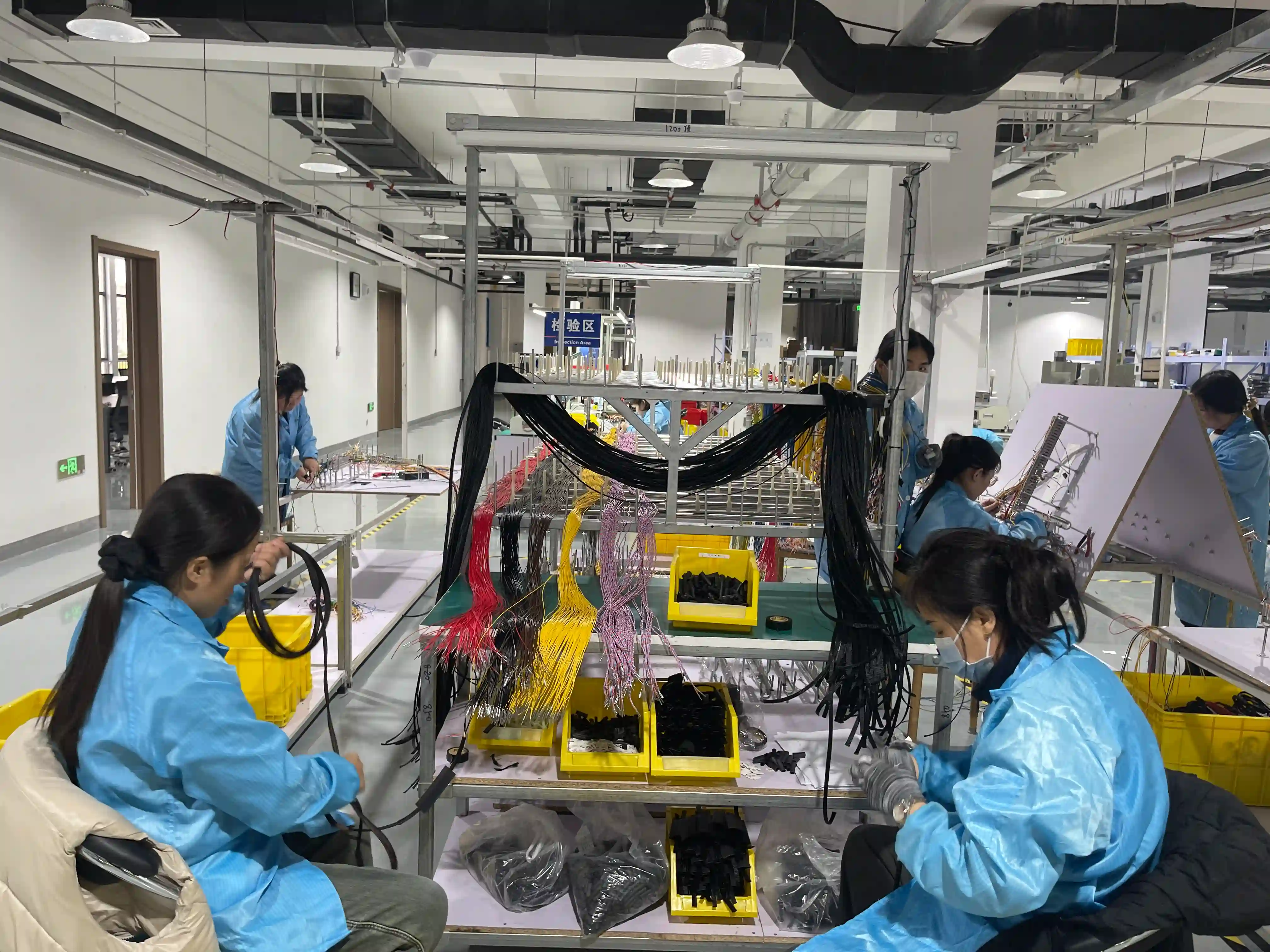
Single vs Multi-Source Supplier Strategy
Understand the trade-offs between consolidation and diversification.
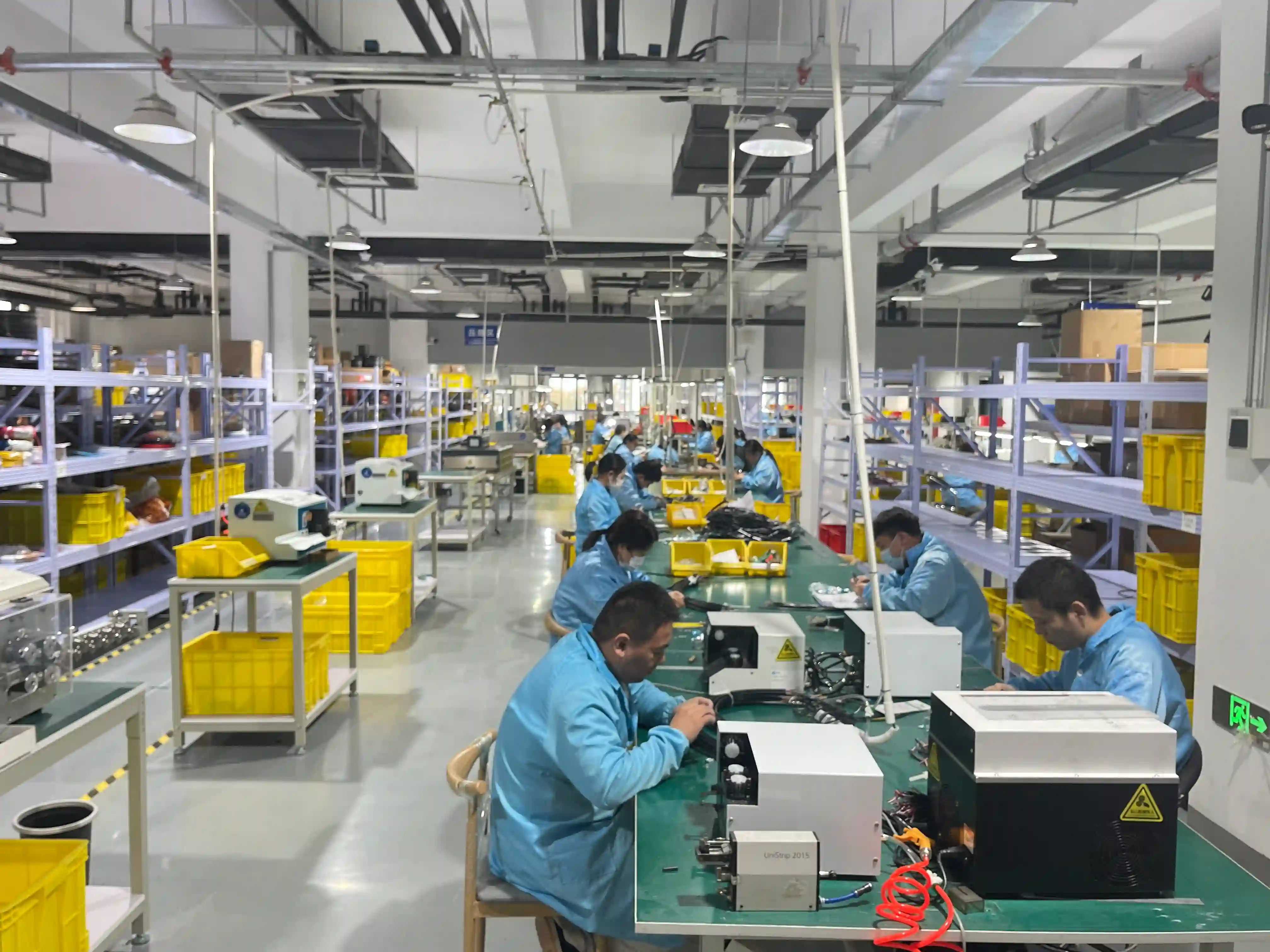
China vs Mexico Manufacturing Comparison
Compare manufacturing locations for wire harness production.
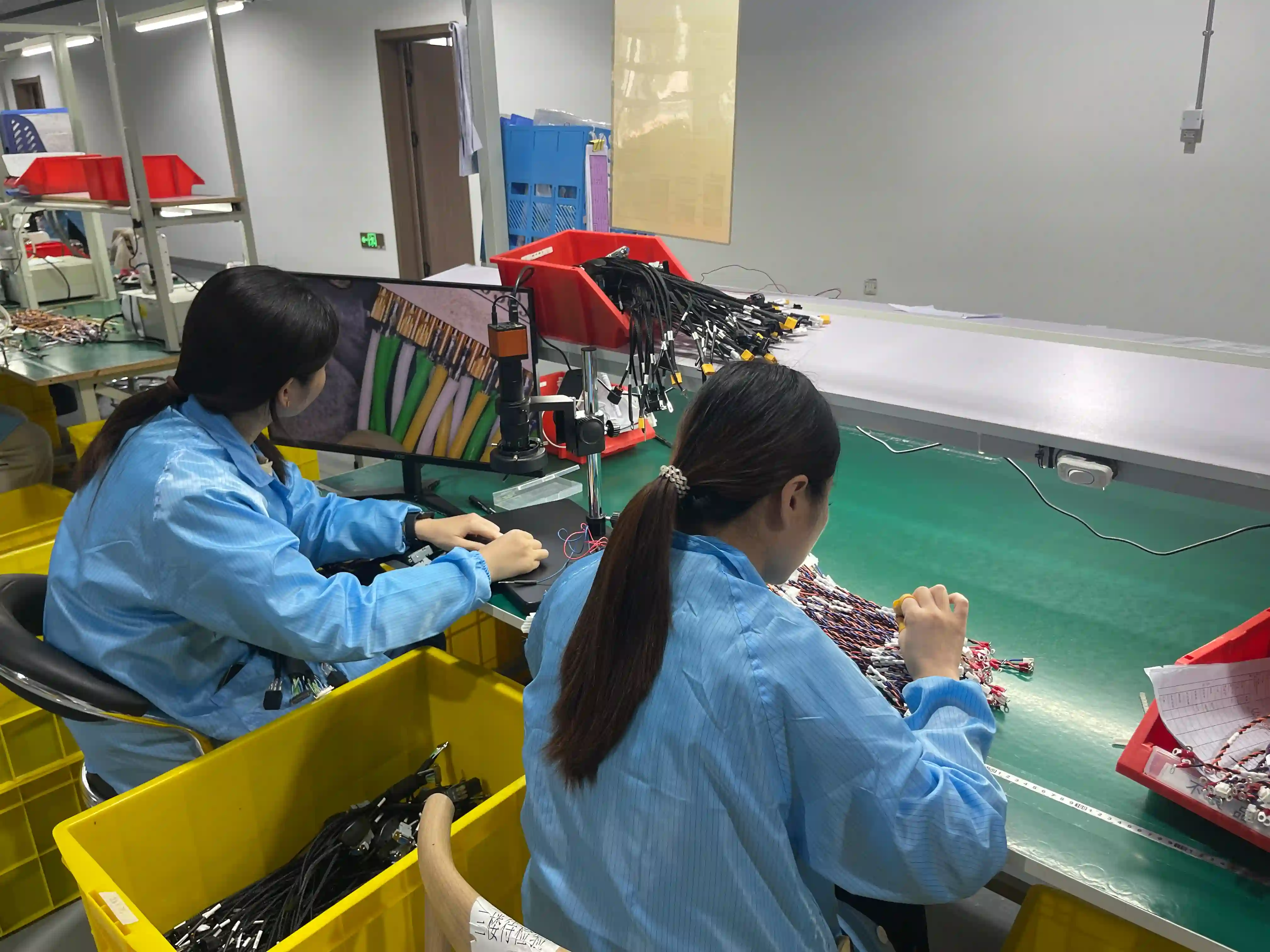
Top 10 Wire Harness Failure Modes
Understand quality issues to ask better supplier questions.
Ready to Start Your Supplier Evaluation?
We're happy to answer all eight of these questions—and any others you have. Contact our team to discuss your requirements and learn how we approach quality, engineering support, and customer partnership.