Top 10 Wire HarnessFailure Modes
Understanding how and why wire harnesses fail is the first step to preventing costly recalls, production shutdowns, and field failures. Learn from real-world failure data.
For industry reference, see cable harness and IPC standards.
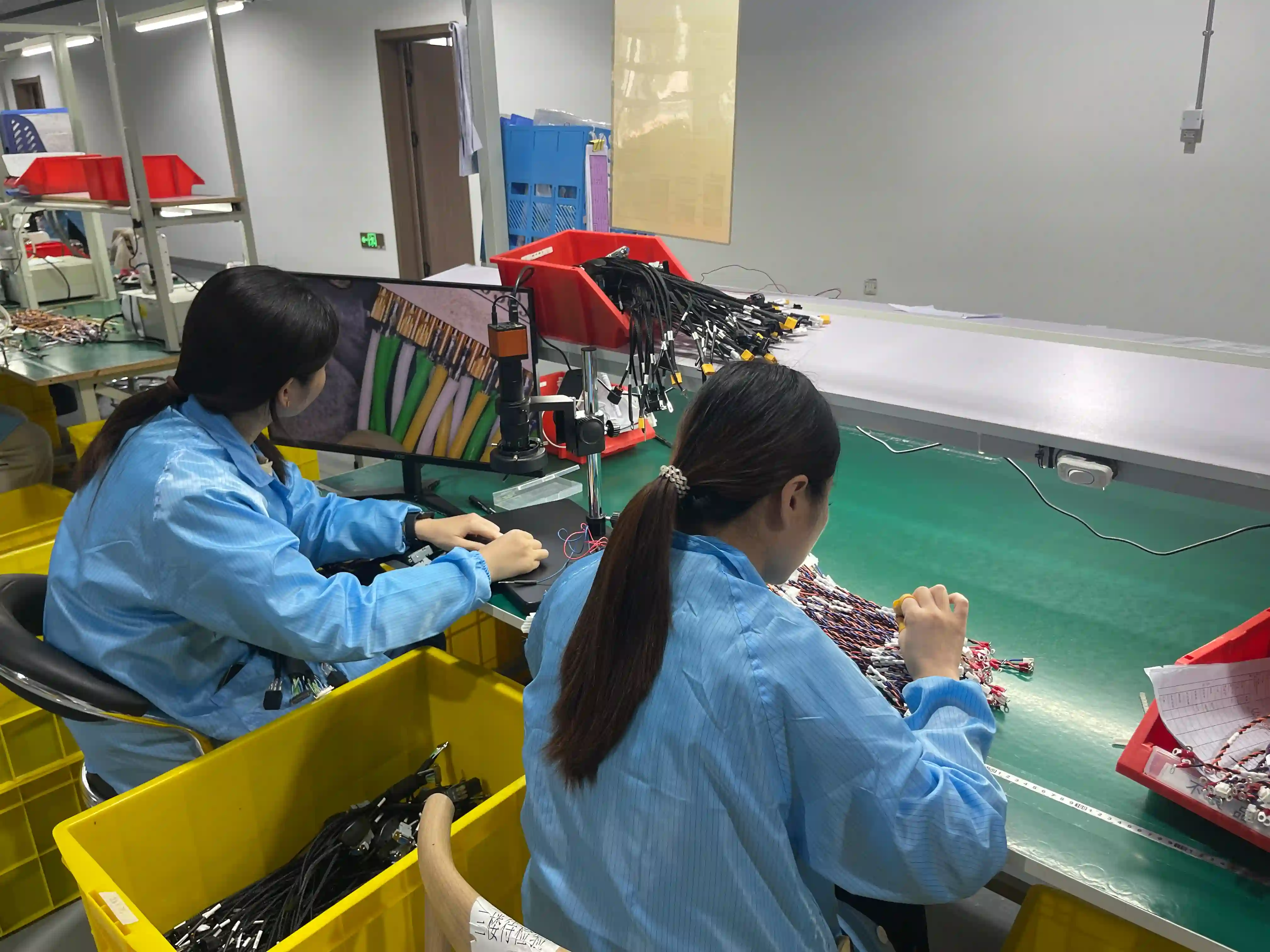
Wire harness failures cost the automotive industry alone billions of dollars annually in recalls, warranty claims, and production disruptions. From Tesla's power steering harness recall affecting over 2 million vehicles to countless smaller field failures, these issues impact safety, reliability, and brand reputation.
The good news? Most wire harness failures are preventable. By understanding the root causes—from design errors and material selection to manufacturing defects and environmental exposure—engineers can specify and manufacturers can build harnesses that withstand the demands of their applications.
This guide examines the top 10 failure modes we see across automotive, industrial, medical, and consumer electronics applications, along with practical prevention strategies for each.
Wire Harness Failure Statistics
Electrical contact failures (largest category)
Insulation and jacket failures
Wire breakage and open circuits
Connector housing and mechanical failures
Many field failures trace back to design and specification decisions; others result from manufacturing quality issues such as crimping and testing lapses. Sound design and verification at every production step prevent most avoidable failures.
High Contact Resistance
The #1 cause of wire harness failures (45% of all failures)
What Happens
Contact resistance increases at terminal-to-wire or terminal-to-terminal interfaces, causing excessive heat generation. Under identical voltage, a smaller effective contact area increases resistance. Current flowing through this resistance generates abnormal heat—potentially melting connectors, damaging nearby components, or causing fires.
Root Causes
- Improper crimp height or width (under or over-crimping)
- Terminal oxidation or contamination
- Fretting corrosion from micro-motion
- Incorrect terminal/wire gauge pairing
- Moisture ingress causing galvanic corrosion
Prevention Strategies
- Use automated crimping with real-time force monitoring
- Implement 100% pull-test verification on critical circuits
- Specify gold or tin plating for environmental protection
- Use sealed connectors in harsh environments
- Perform millivolt-drop testing for high-current circuits
Short Circuits
When current flows where it shouldn't
What Happens
A short circuit occurs when two conductors touch unexpectedly, or when a conductor contacts ground. This causes excessive current flow, potentially blowing fuses, tripping breakers, or in severe cases causing fires. Short circuits often result from insulation damage or moisture creating unintended conductive paths.
Root Causes
- Insulation chafing against sharp edges or brackets
- Moisture ingress creating conductive paths
- Thermal degradation of insulation material
- Contamination between connector pins
- Manufacturing debris or metal shavings
Prevention Strategies
- Route harnesses away from sharp edges; add protective sleeving
- Use IP-rated sealed connectors for wet environments
- Specify appropriate insulation materials for temperature range
- Implement hi-pot (dielectric) testing during production
- Maintain clean assembly environments; blow out connectors
Wire Breakage (Open Circuits)
Complete loss of electrical continuity
What Happens
Conductor strands break, creating high resistance or complete open circuits. Often manifests as intermittent issues initially—the circuit may work under some conditions but fail under vibration or temperature changes. Eventually leads to complete failure.
Root Causes
- Excessive flexing beyond wire's fatigue limit
- Vibration fatigue at stress concentration points
- Branch length too short, creating tension
- Work hardening from repeated stress cycles
- Incorrect wire type for flexing application
Prevention Strategies
- Use finely stranded wire for dynamic applications
- Add service loops at flex points and connection points
- Implement proper strain relief at terminals
- Conduct flex-life testing during design validation
- Specify minimum bend radius compliance in routing
Thermal Degradation
Heat damage to insulation and materials
What Happens
Exposure to temperatures beyond material ratings causes insulation to become brittle, crack, or melt. Connectors can warp or deform. Thermal expansion/contraction cycles loosen connections over time. In extreme cases, insulation combusts.
Root Causes
- Routing too close to heat sources (exhaust, motors)
- Undersized wire creating I²R heating
- Insulation material rated below application temperature
- Thermal cycling stress on rigid materials
- Poor heat dissipation in bundled cables
Prevention Strategies
- Use silicone or PTFE insulation for high-temperature areas
- Add heat shields and thermal barriers where needed
- Derate wire gauge for continuous high-current applications
- Thermal mapping during prototype validation
- Specify connectors with high-temp plastic housings
Connector Mechanical Failures
Housing, latch, and sealing failures
What Happens
Connector housings crack, latches break, seals degrade, or pins back out of the housing. This leads to intermittent connections, loose fits, and environmental exposure of contacts. Often results in water ingress and subsequent corrosion.
Root Causes
- Incorrect insertion force during mating
- UV degradation of plastic housings
- Insufficient terminal retention (back-out)
- Chemical attack on housing materials
- Seal degradation from temperature or chemicals
Prevention Strategies
- Select quality connectors rated for the environment
- Verify terminal seating with insertion depth gauges
- Use secondary terminal locks where available
- Specify UV-stable materials for outdoor applications
- Test seal integrity with leak testing
Intermittent failures are especially difficult to diagnose because a harness may work sometimes, doesn't work other times—impossible to diagnose in the field. These failures commonly trace to terminal retention issues or cracked conductors. Vibration testing can reveal connections that pass a static bench test but fail under motion.
Failure Modes 6-10: Additional Critical Failures
Corrosion and Moisture Damage
Moisture penetration causes galvanic corrosion between dissimilar metals, oxidation of contacts, and electrolytic breakdown of insulation. Particularly problematic in automotive under-hood and under-body applications, marine environments, and outdoor equipment.
- • Failed or missing environmental seals
- • Dissimilar metal contact (copper + aluminum)
- • Road salt and chemical exposure
- • IP-rated sealed connectors
- • Conformal coating on exposed circuits
- • Proper material compatibility selection
Vibration and Mechanical Wear
Constant vibration causes fretting corrosion at contacts, abrasion of insulation against mounting surfaces, and fatigue failure of conductors. Particularly severe in automotive, aerospace, and heavy equipment applications.
- • Improper securing/clamping of harness
- • Missing or inadequate grommets
- • Contact micro-motion at terminals
- • Adequate harness support and tie-down points
- • Abrasion-resistant sleeving
- • High-retention force terminals
Rodent and Pest Damage
Rodents chew through wire insulation to file their teeth or access nesting areas. Soy-based wire insulations used by some manufacturers are particularly attractive. Can cause shorts, opens, or intermittent connections.
- • Vehicle storage in rural areas
- • Soy-based insulation compounds
- • Accessible harness routing locations
- • Rodent-deterrent tape wrapping
- • Capsaicin-treated insulation options
- • Hard conduit in vulnerable areas
Manufacturing Defects
Poor-quality materials, incorrect assembly, or inadequate process controls lead to defects that cause early field failures. Often escapes initial testing but fails under real-world stresses.
- • Improper crimp parameters
- • Wrong wire/terminal combination
- • Inadequate quality inspection
- • IATF 16949 certified suppliers
- • 100% electrical testing
- • Statistical process control (SPC)
Design and Specification Errors
Fundamental errors in the harness design that doom it to failure regardless of manufacturing quality. These include undersized wires, inadequate environmental protection, insufficient length margins, and poor routing decisions.
- • Incorrect wire gauge for current load
- • Insufficient service loops
- • Poor connector selection for environment
- • Design reviews with experienced engineers
- • Prototype validation testing
- • Proper wire sizing calculations
Failure Prevention Summary
| Failure Mode | Primary Prevention | Key Test Method |
|---|---|---|
| Contact Resistance | Crimp force monitoring, proper tooling | Millivolt drop test, pull test |
| Short Circuit | Proper routing, abrasion protection | Hi-pot test, insulation resistance |
| Wire Breakage | Stranded wire, strain relief | Flex-life test, continuity under vibration |
| Thermal Damage | High-temp materials, heat shields | Thermal mapping, aging tests |
| Connector Failure | Quality connectors, secondary locks | Terminal retention, seal tests |
| Corrosion | Sealed connectors, proper plating | Salt spray test, humidity cycling |
| Vibration Wear | Proper tie-downs, grommets | Random vibration test |
| Rodent Damage | Deterrent tape, hard conduit | Visual inspection protocols |
| Manufacturing Defects | Process controls, certified suppliers | 100% electrical test, SPC |
| Design Errors | Design reviews, prototype validation | DVP&R testing program |
A reliable wire harness continues working through temperature extremes, vibration, moisture, and other application stresses. Achieving that reliability requires systematic attention to every potential failure mode during design, manufacturing, and testing. Shortcuts anywhere in that chain increase field-failure risk.
Frequently Asked Questions
What is the most common cause of wire harness failures?
Electrical contact failures account for approximately 45% of all wire harness failures. These primarily result from poor crimping, corrosion, or fretting wear at terminal interfaces. Proper crimping tools, quality terminals, and environmental sealing are the key prevention measures.
How can I test wire harnesses to prevent field failures?
A comprehensive test protocol should include: 100% continuity testing, hi-pot testing for insulation integrity, millivolt drop testing for high-current circuits, pull testing for crimp quality, and where applicable, vibration testing and thermal cycling. Our testing capabilities cover all these verification methods.
How do I choose the right insulation material for harsh environments?
Consider the maximum temperature, chemical exposure, flexibility requirements, and UV exposure. PVC works for standard applications up to 105°C. XLPE handles higher temperatures and better chemical resistance. Silicone is best for extreme temperatures (-60°C to +200°C). See our insulation comparison guide for detailed selection criteria.
What certifications should I look for in a wire harness supplier?
For automotive applications, IATF 16949 is essential. For general quality management, ISO 9001. For products sold in North America, UL certification may be required. These certifications indicate systematic quality controls that reduce failure risk.
How do I prevent vibration-related wire harness failures?
Key strategies include: proper harness routing with adequate tie-down points (typically every 150-300mm), service loops at connection points to absorb movement, grommets where harnesses pass through panels, and using finely stranded conductors for flexing applications. Critical applications should undergo vibration testing per SAE J1113 or equivalent.
Related Articles
PVC vs TPE vs Silicone: Insulation Material Guide
Choose the right insulation material for your application and environment.
Crimped vs Soldered Connections: Reliability Comparison
Understand which termination method provides better reliability.
IP67 vs IP68 vs IP69K: Sealing Protection Guide
Choose the right IP rating for moisture and dust protection.
Prevent these failures with controlled assembly
The failure modes above are designed out through process control and testing:
Have a drawing or BOM? upload it for an RFQ review →
Need Help Preventing Wire Harness Failures?
Our engineering team can review your harness design for potential failure modes and recommend improvements across automotive, industrial, and medical applications.