IPC/WHMA-A-620
Wire harness manufacturing built to the IPC/WHMA-A-620 workmanship standard, with trained operators and standardized inspection criteria for Classes 1, 2, and 3.
IPC/WHMA-A-620 CIS specialist on staff
Workmanship is overseen by an IPC/WHMA-A-620 CIS-certified specialist (Yulong Zhang, certificate #A620DS-26031361529, valid to 2028-03). This is an individual's specialist certificate, not a company-wide or whole-workforce certification — the original is downloadable so you can verify it directly.
Download the CIS specialist certificate (PDF)IPC/WHMA-A-620 Elements
Key elements of the IPC/WHMA-A-620 standard.
Workmanship Standard
Industry-accepted acceptance criteria
Trained Operators
Operators trained to IPC/WHMA-A-620
Visual Inspection
Standardized inspection criteria
Class 1, 2, 3
Different workmanship classes
Crimp Acceptance
Terminal crimp quality criteria
Training Programs
Ongoing operator training
Workmanship Excellence
IPC/WHMA-A-620 defines the workmanship standard for wire harness manufacturing. Operators trained to IPC/WHMA-A-620 and our inspectors apply these globally recognized acceptance criteria.
- IPC/WHMA-A-620 workmanship standard
- Operators trained to IPC/WHMA-A-620
- Class 1, 2, and 3 capable
- Standardized inspection criteria
- Crimp quality requirements
- Solder joint acceptance
- Documentation and traceability
- Continuous training programs
Standard Details
Our IPC/WHMA-A-620 program specifications.
The Industry Standard
IPC/WHMA-A-620 is the globally accepted standard for wire harness workmanship. Working to this standard ensures your harnesses meet consistent, objective acceptance criteria.
Class 1
General purpose
Class 2
Dedicated service
Class 3
High performance
Certified
Trained personnel
IPC/WHMA-A-620 Wire Harness Workmanship Standard
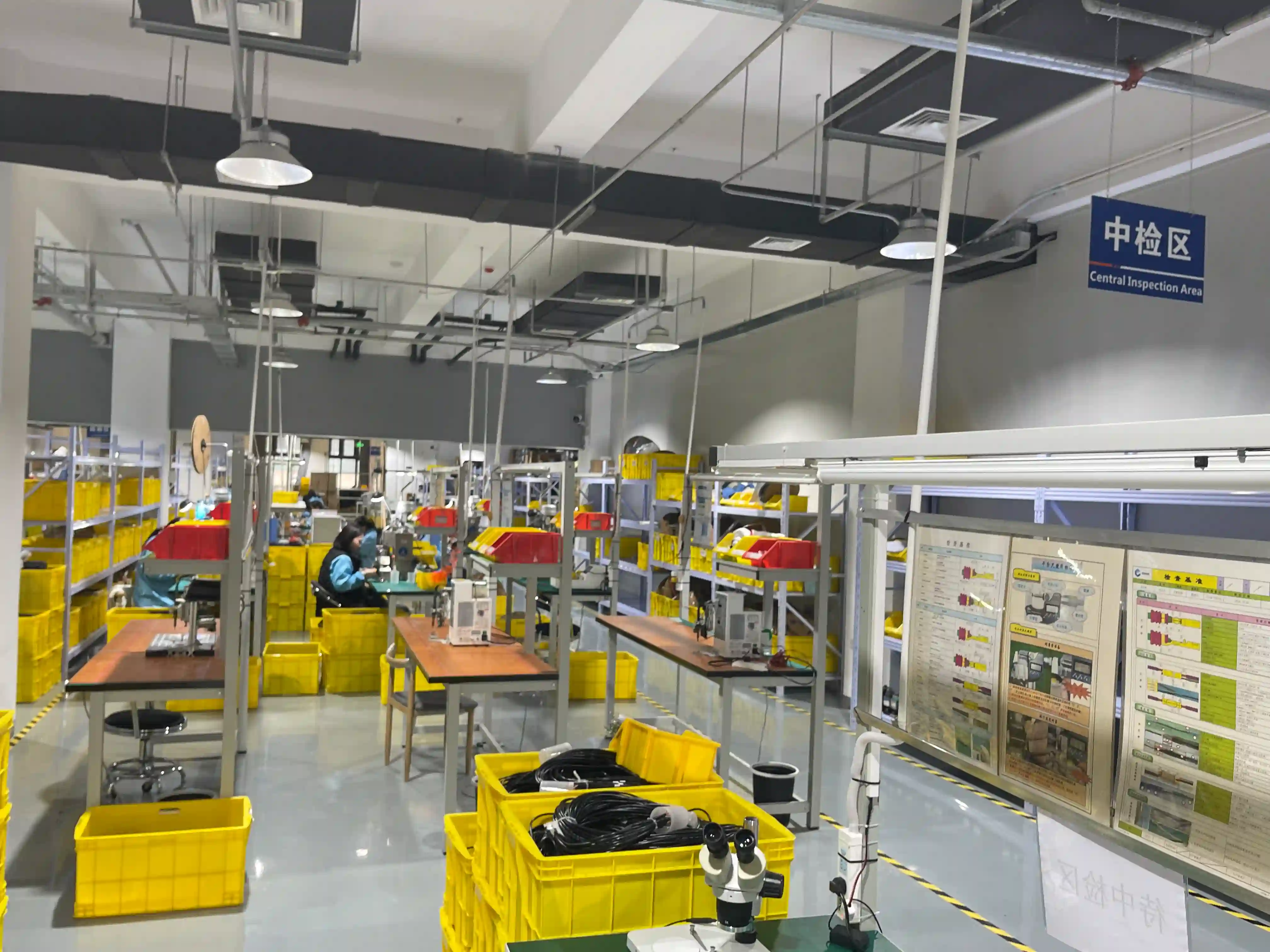
OurPCB builds wire harnesses and cable assemblies to the IPC/WHMA-A-620 workmanship standard. Operators trained to IPC/WHMA-A-620 and our inspectors apply acceptance criteria for crimping, soldering, and assembly, supported by an IPC/WHMA-A-620 CIS-certified specialist.
Class 1, 2, and 3 capability accommodates different product requirements. Class 2 serves industrial and automotive applications requiring extended life. Class 3 supports aerospace, defense, and medical high-reliability products.
Crimp quality acceptance criteria define proper terminal crimping. Solder joint requirements ensure reliable connections. Visual inspection per IPC standards identifies workmanship defects. Pull force testing verifies crimp retention.
Ongoing training programs maintain operator and inspector knowledge of the workmanship criteria. Our quality systems per ISO 9001 integrate IPC workmanship requirements. Testing capabilities verify assembly quality beyond visual inspection.
IPC/WHMA-A-620 provides objective acceptance criteria recognized worldwide. Our IATF 16949 automotive and ISO 13485 medical certifications complement IPC workmanship standards. Contact us to discuss workmanship requirements for your wire harness applications.
IPC/WHMA-A-620 FAQ
IPC/WHMA-A-620 is the industry standard for acceptability of cable and wire harness assemblies. It defines workmanship requirements for crimping, soldering, cable preparation, and assembly that are recognized worldwide.
Class 1 is for general purpose products with functional requirements. Class 2 is for dedicated service products with extended life. Class 3 is for high-performance products where failure is critical. Each has progressively stricter requirements.
Our production operators and inspectors are trained to IPC/WHMA-A-620 Class 2/3 workmanship, with an IPC/WHMA-A-620 CIS-certified specialist on staff. Training is maintained through ongoing refreshers to keep the acceptance criteria current.
We work to all three classes based on customer requirements. Class 2 is common for industrial and commercial products. Class 3 is used for aerospace, medical, and other high-reliability applications.
Built to IPC/WHMA-A-620
Wire harness manufacturing to the industry workmanship standard with trained operators and standardized inspection criteria.