Pull Force Testing
Pull force testing verifies crimp quality per IPC/WHMA-A-620 standards, ensuring reliable terminal connections in your wire harnesses.
Pull Force Test Capabilities
Our pull force testing verifies crimp quality and retention.
Crimp Pull Testing
Verify terminal crimp retention
IPC/WHMA-A-620
Testing per industry standards
Force Measurement
Precise digital force gauges
Sample Testing
Statistical sampling programs
100% Testing
Non-destructive options available
Data Logging
Test results recorded for SPC
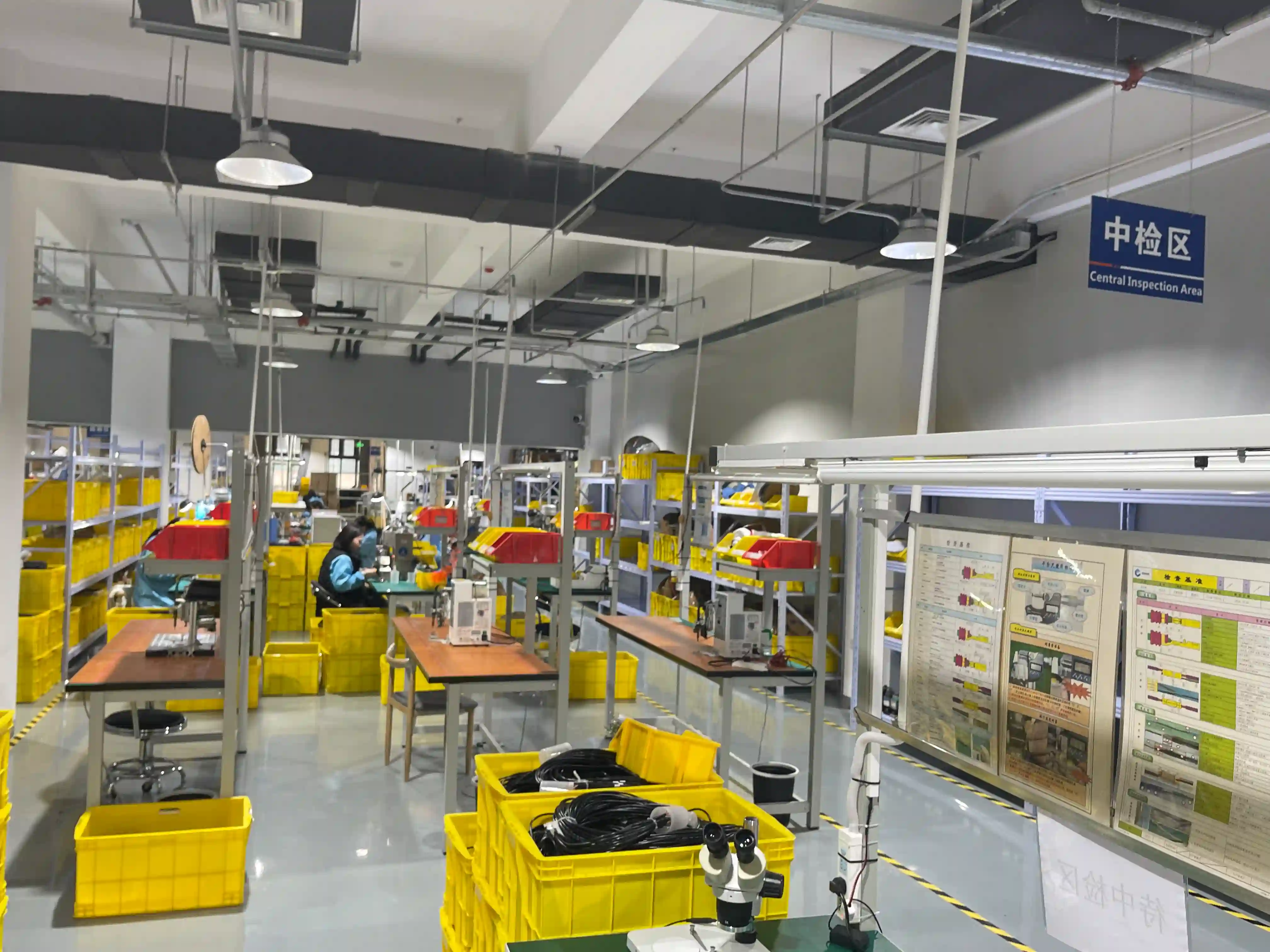
Verified Crimp Strength
A proper crimp is critical for reliable electrical connections. Pull force testing verifies that your crimps meet the minimum retention force required by IPC/WHMA-A-620 or your specifications.
- Destructive pull testing
- Non-destructive proof testing
- IPC/WHMA-A-620 compliance
- Digital force measurement
- Peak force capture
- Multiple sample fixtures
- Statistical sampling programs
- SPC data collection
Technical Specifications
Our pull force testing equipment specifications.
The Crimp Connection
Crimped terminals are the most common connection in wire harnesses. Pull force testing provides objective evidence that your crimps are properly made and will perform reliably in service.
Destructive
Full strength verification
Proof Test
Non-destructive option
Statistical
Sampling programs
Documented
Full test records
Pull Force Testing for Crimp Terminal Retention Verification
As a specialized pull force testing provider, OurPCB delivers crimp retention verification for wire harness and cable assembly quality assurance. Pull force testing measures the force required to separate a wire from a crimped terminal, verifying proper crimping quality.
Testing per IPC/WHMA-A-620 specifies minimum pull force values based on wire gauge and terminal type. Our digital force gauges provide ±0.5% accuracy with peak force capture for precise measurements. Force range up to 500 lbs accommodates wire sizes from 28 AWG to 4/0 AWG.
Destructive testing verifies full crimp strength by pulling terminals to failure. Non-destructive proof testing applies a percentage of minimum force, verifying adequacy without destroying the sample. Statistical sampling programs balance quality assurance with production efficiency for automotive and industrial volumes.
SPC (Statistical Process Control) data collection monitors crimp quality trends over time. First article testing validates new setups. End-of-run verification confirms production consistency. IATF 16949 automotive and ISO 9001 quality systems require documented pull force records.
Pull force testing integrates with continuity testing and hipot testing for complete harness verification. Our quality team provides test reports and data for your quality records. Contact us to discuss pull force testing for your crimp verification requirements.
Pull Force Testing FAQ
Pull force testing measures the force required to pull a wire from a crimped terminal. It verifies that the crimp was properly made and has adequate retention to resist pulling forces in service.
We test per IPC/WHMA-A-620 requirements, which specify minimum pull force values based on wire gauge and terminal type. We can also test to customer or OEM specifications as required.
Yes, we offer non-destructive proof testing where the terminal is pulled to a specified percentage of the minimum requirement. Terminals that pass are verified without being destroyed.
Sample quantity depends on the specification and customer requirements. Common programs include first article testing, statistical sampling during production, and end-of-run verification. 100% testing is available when required.
Need Pull Force Testing?
Crimp retention verification per IPC/WHMA-A-620 ensures reliable terminal connections with documented test results.