Cable Strain Relief Solutions
We build strain relief into wire harness and cable assembly programs where cable exits, connector transitions, and enclosure entries need controlled retention, bend management, and environmental protection from prototype through repeat production.
A strain relief quote should explain how the supplier protects the cable exit before field failures start
Buyers usually start asking for strain relief solutions after a cable assembly fails near the connector, the enclosure entry leaks, or a harness survives electrical test but breaks after installation handling. The issue is rarely the conductor in the middle of the run. The issue is the transition zone where load, flex, and contamination concentrate. That is why this capability sits between heat shrink processing, overmolding, and full cable harness manufacturing service.
Our process follows public background on the underlying technologies, including heat-shrink tubing, cable glands, and workmanship principles associated with IPC. The practical point is simple: the right strain relief method depends on the real failure mode, not on whichever material or process happened to be used last time.
OurPCB Engineering Team summarizes the sourcing issue directly: "If the cable exit is not controlled, the connector can pass incoming inspection and still fail in the field after a few pull events, a few bend cycles, or one bad washdown. The quote has to show how the exit zone is protected, not just how the conductors are terminated."
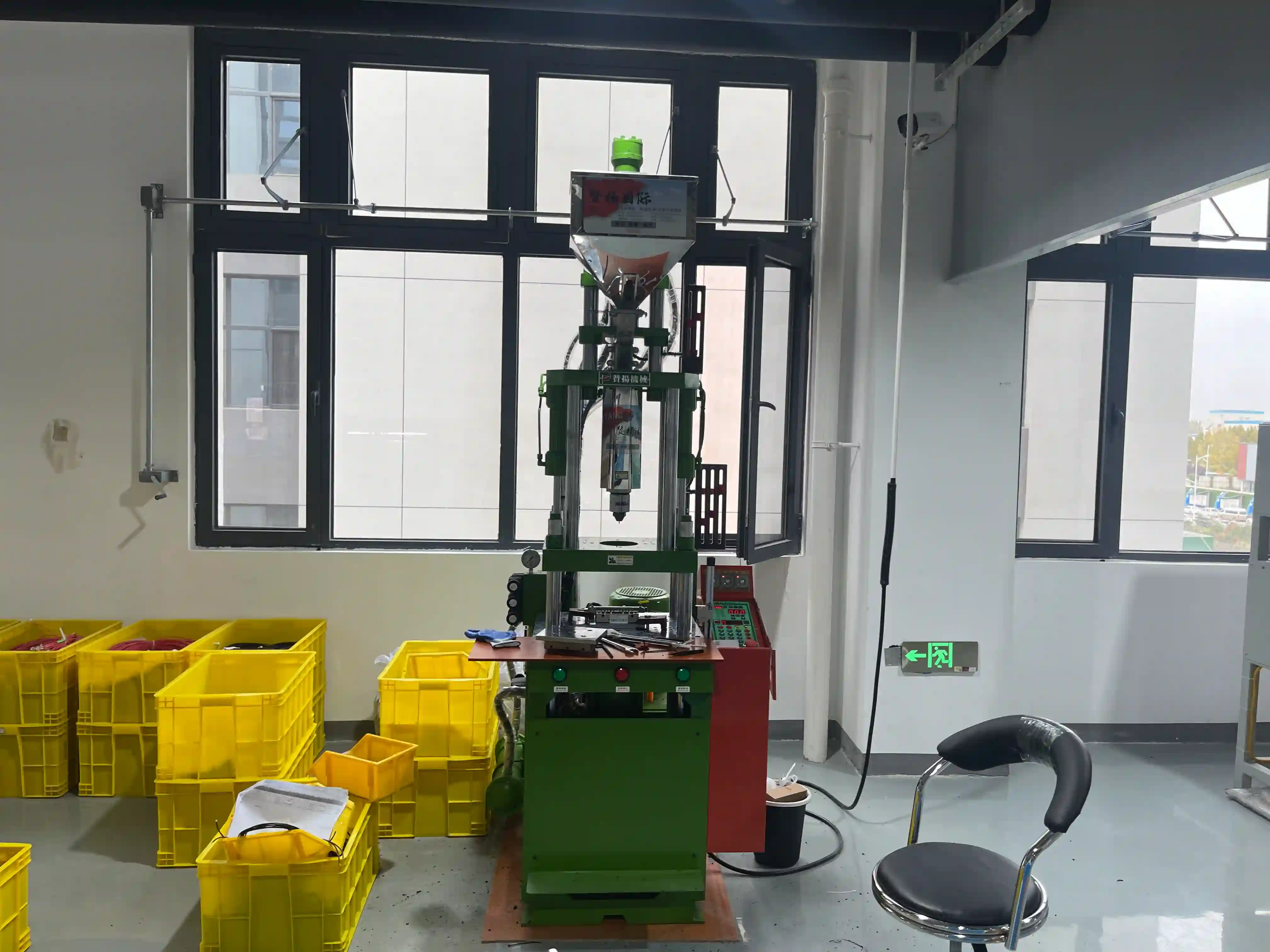
What This Capability Controls
The buyer question is not whether strain relief exists in theory. The real question is how the method stays effective after production and installation handling.
Method Selection by Real Failure Mode
We choose strain relief by pull load, bend cycle, sealing target, and service access instead of defaulting every project to the same overmold or sleeve.
Cable Exit Geometry Control
Exit angle, minimum bend radius, jacket support length, and clamp position are defined before release so repeated flexing does not migrate directly into the termination.
Materials That Match the Environment
Heat shrink, elastomer boots, glands, potting support, and molded features are selected around fluid exposure, temperature, abrasion, and cleaning method.
Retention Built Into the Assembly Route
Strain relief is treated as part of the connector or branch build path, not as an optional finishing detail added after the electrical work is complete.
Validation Before Volume Release
Pull checks, bend-cycle review, ingress-risk review, and visual acceptance are defined before the program moves from sample builds into repeat production.
Buyer-Focused Documentation
Approved builds move into production with routing notes, material callouts, process controls, and packout rules so the strain relief method stays stable across lots.
Strain Relief Production Controls
These are the checkpoints that separate durable cable-exit protection from a transition that only looks acceptable on the bench.
| Checkpoint | Common Failure | Our Control |
|---|---|---|
| Cable exit support length | The wire or cable leaves the connector with too little supported length, so bending starts at the conductor-to-terminal transition and fatigue appears early. | We define support length, exit angle, and relief geometry before release so flex loads move away from the electrical termination. |
| Environmental sealing path | A connector or enclosure looks sealed, but water or contamination still enters along the cable jacket because the relief method only protects against pull, not ingress. | We match the method to the ingress target using overmolding, adhesive-lined heat shrink, glands, or compound-backed transitions when sealing is part of the requirement. |
| Retention under handling and service | Assemblies pass continuity on the bench, then fail after installation because pull loads, vibration, or repeated mating cycles loosen the cable exit zone. | Retention checkpoints are built into the route with mechanical support, pull checks, and connector-side inspection tied to the program risk. |
| Variation across repeat lots | A first sample uses one strain relief method, but later lots drift in boot length, adhesive coverage, clamp position, or overmold geometry. | Released drawings, material definitions, and visual acceptance criteria lock the relief method before repeat production starts. |
The same logic behind first article inspection applies here: exit geometry, retention, and sealing behavior need to be proven on the released build before recurring lots begin.
Technical Scope and Limits
This offer is for harness and cable programs where transition durability, retention, and ingress protection affect sourcing risk.
Typical strain relief methods
Overmolded exits, adhesive-lined heat shrink, breakout boots, cable glands, clamp-based retention, tiedowns, service loops, and hybrid methods that combine sealing with pull protection.
Best-fit programs
Waterproof cable builds, machine wiring, medical leads, robotic flex assemblies, outdoor harnesses, and connectorized products where cable-exit failure creates warranty or startup risk.
Buyer input package
Cable spec, connector or enclosure details, bend radius constraints, pull or flex expectations, sealing target, operating environment, quantity forecast, and any validation requirements.
Quality framework
ISO 9001 production controls with workmanship expectations aligned to IPC/WHMA-A-620, plus customer-specific retention, sealing, and environmental acceptance criteria.
Adjacent capabilities
Often combined with overmolding, heat shrink processing, connector assembly, environmental testing, and full cable harness manufacturing release support.
Out of scope
Undocumented connector redesign, unsupported field repair instructions, or any change to sealing or retention behavior without approved customer data.
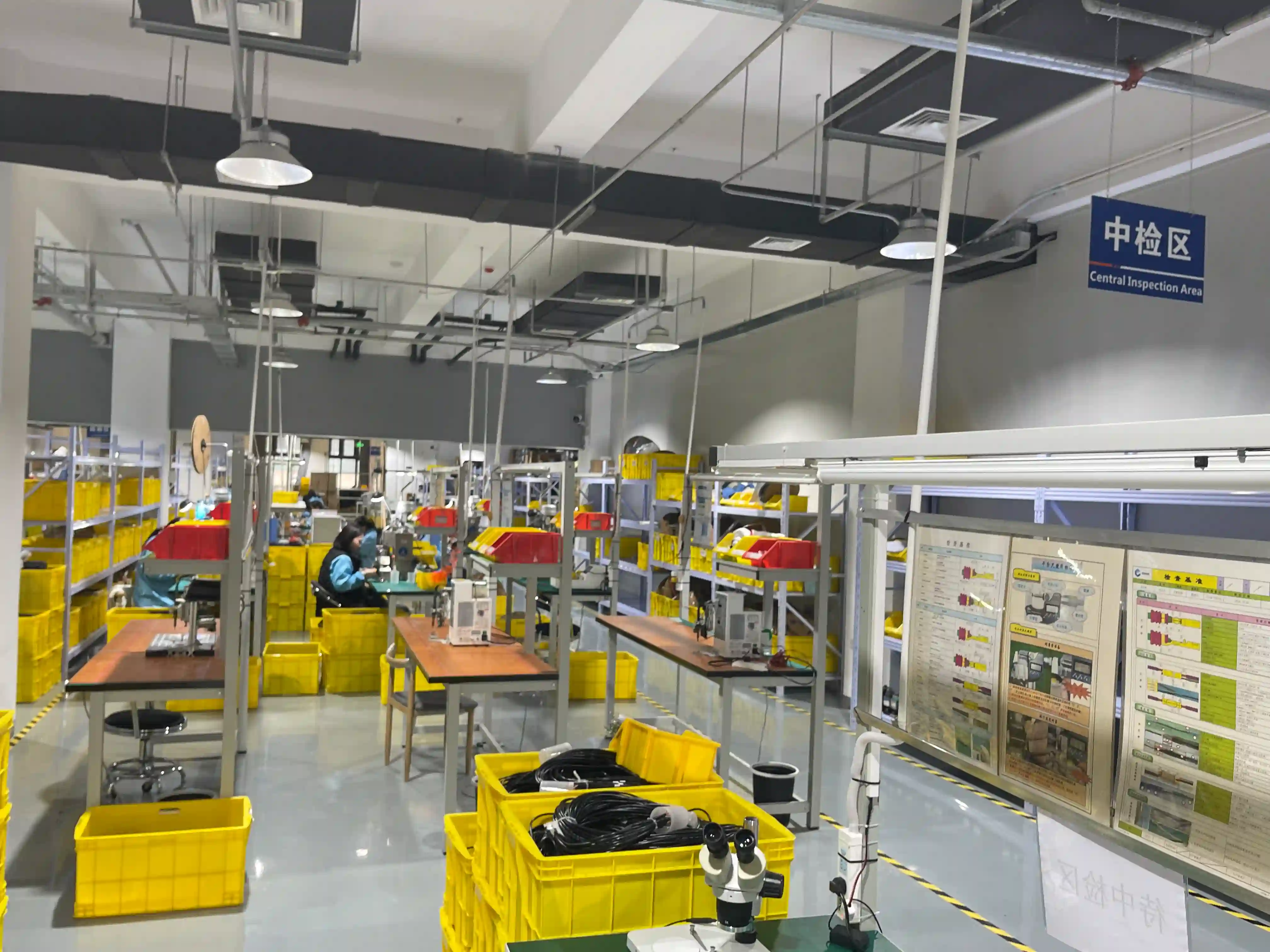
A cable exit is only finished when it can survive handling, installation, and the real environment
A clean looking connector or branch breakout can still fail if the cable exits too sharply, the adhesive does not seal, or the support feature shifts during handling. That is why we connect connector assembly control, environmental validation, overmolding, and heat shrink processing into one strain relief route instead of treating the exit zone as a cosmetic add-on.
This matters especially in waterproof harnesses, high-flex cable assemblies, and medical or industrial equipment that sees repeated service handling. In those programs, the most expensive failure is often a mechanically weak transition that escaped because nobody defined how the relief method would be checked after assembly.
"Most cable-exit failures are not mysterious. They come from unsupported bend points, weak retention, or sealing paths that were assumed instead of verified."OurPCB Engineering Team
Strain Relief Workflow
This workflow is written for commercial buyers evaluating how the method will hold up in production, not as a generic educational summary.
Application and Failure Mode Review
We review where the cable exits, how the assembly is handled, what it is exposed to, and whether the real risk is pull-out, bend fatigue, ingress, abrasion, or all of them together.
Method and Material Selection
The strain relief method is chosen around the actual environment and service needs using overmolds, boots, heat shrink, glands, clamps, or combined protection paths.
Sample Build and Geometry Check
A controlled build confirms exit angle, support length, adhesive coverage, molded geometry, and fit with the connector, enclosure, or branch breakout.
Retention and Environmental Validation
Inspection and validation are matched to risk with pull checks, visual criteria, bend review, and optional environmental or ingress-focused testing.
Packout and Installation Protection
Protective caps, support trays, labels, and handling rules are set so the strain relief feature is not damaged between final inspection and installation.
Repeat Production Release
Approved builds move into recurring supply with revision control, material definition, inspection checkpoints, and documented work instructions.
When Buyers Usually Need This
The strongest fit is when cable-exit durability is a sourcing problem, not just a design note on the print.
Your failures start at the cable exit, not in the middle of the wire
This page fits programs where cracked jackets, broken conductors, leaks, or pull-out happen at the connector, enclosure, or branch breakout transition.
You need sealing and strain relief at the same time
Outdoor, washdown, and mobile applications often need ingress protection and mechanical support together. Treating those as separate afterthoughts usually causes rework.
The assembly has to survive repeated handling or flexing
Medical leads, robotics, and serviceable equipment need controlled exit geometry because repeated bending will find any weak termination support quickly.
Your current supplier can build a sample but not a stable repeat process
When boot position, adhesive coverage, clamp torque, or overmold shape drift between lots, the problem is process control rather than basic assembly labor.
What We Inspect During Strain Relief Implementation
Inspection scope changes by application, but these are the checks buyers most often need held on the cable-exit zone.
Cable exit angle and minimum bend path
Heat shrink recovery and adhesive flow
Overmold or boot coverage at the transition
Clamp or gland retention and positioning
Seal integrity at connector or enclosure entry
Jacket support without conductor damage
Label legibility after relief application
Packout protection for molded or sealed exits
Send the cable-exit details before small handling loads turn into field returns
If your program depends on stable sealing, bend control, and pull protection at the transition zone, send the cable spec, connector or enclosure details, environment, and expected handling conditions. We will review the strain relief route before quoting production.
Request Strain Relief QuoteStrain Relief FAQ
Cable strain relief is the set of design and manufacturing features that keep pull, bend, and handling loads away from the electrical termination. It can involve overmolds, boots, heat shrink, glands, clamps, routing features, or combined methods depending on the environment and failure mode.
We choose by actual use conditions. Overmolding is strong when you need integrated shape, grip, and repeat sealing. Adhesive-lined heat shrink works well for lower-cost sealed transitions and branch protection. Cable glands fit enclosure entries where thread standards, serviceability, and ingress ratings matter. Many projects use more than one method across the same assembly.
Yes, when the selected method seals the cable entry path instead of only resisting pull. Overmolds, adhesive-lined heat shrink, glands, and compound-backed transitions can all improve environmental performance when they are matched to the connector or enclosure design and verified in testing.
Yes. Validation depends on the program risk, but it often includes visual inspection, pull checks, bend review, continuity confirmation after handling, and environmental testing when sealing performance matters. The important point is defining those checks before volume starts.
The fastest quote includes the cable specification, connector or enclosure part numbers, target sealing level, expected pull or flex conditions, operating environment, quantity forecast, and any known failure history. Drawings, photos, and sample parts help when the geometry is not obvious from the BOM alone.
No. It matters anywhere cable handling can stress the termination, including medical leads, consumer devices, telecom equipment, machine wiring, outdoor assemblies, and serviceable field products. The method changes by application, but the need to protect the exit zone is common across industries.
Related Capability Pages
Overmolding & Insert Molding
Use this when molded exits, boots, or sealed transitions drive the solution.
CapabilityHeat Shrink
Use this when adhesive-lined tubing or breakout management is the main requirement.
CapabilityEnvironmental Testing
Use this when the strain relief method must be validated under temperature, moisture, or contamination exposure.
ServiceWaterproof Wire Harness
For harness programs where sealing at exits and branches is part of the product requirement.
BlogTop 7 Strain Relief Solutions
Reference guide comparing common strain relief methods and where each one fits best.
BlogWhat Is a Cable Gland?
Useful background when enclosure entries, thread standards, and ingress ratings matter.
Real Project Experience
How we've handled similar wire harness and cable assembly projects
See de-identified project scenarios — supplier qualification, connector-shortage recovery, lead-time compression, and engineering spec lockdown — drawn from real production records.
Need a Strain Relief Method That Survives Production and the Field?
Share the cable spec, connector or enclosure details, environment, and expected pull or flex conditions. We will review the best-fit strain relief route, validation scope, and production risks before quoting.