Conformal Coating
Conformal coating service for wire harnesses and cable assemblies that need moisture, corrosion, and chemical protection without sacrificing flexibility or serviceability.
Coating Options
Conformal coating chemistries and application approaches for cable assemblies and harnesses.
Acrylic Coating
Fast-curing, cost-effective moisture protection for indoor and telecom applications
Silicone Coating
Flexible protection for thermal cycling, vibration, and high-temperature harnesses
Polyurethane Coating
Chemical-resistant barrier for marine, industrial, and solvent exposure
Epoxy Coating
Hard, abrasion-resistant insulation for static junctions and high-voltage areas
Parylene Coating
Ultra-thin vapor-deposited coverage for medical and high-reliability assemblies
Selective Masking
Protection only where needed while keeping pins, seals, and mating surfaces clean
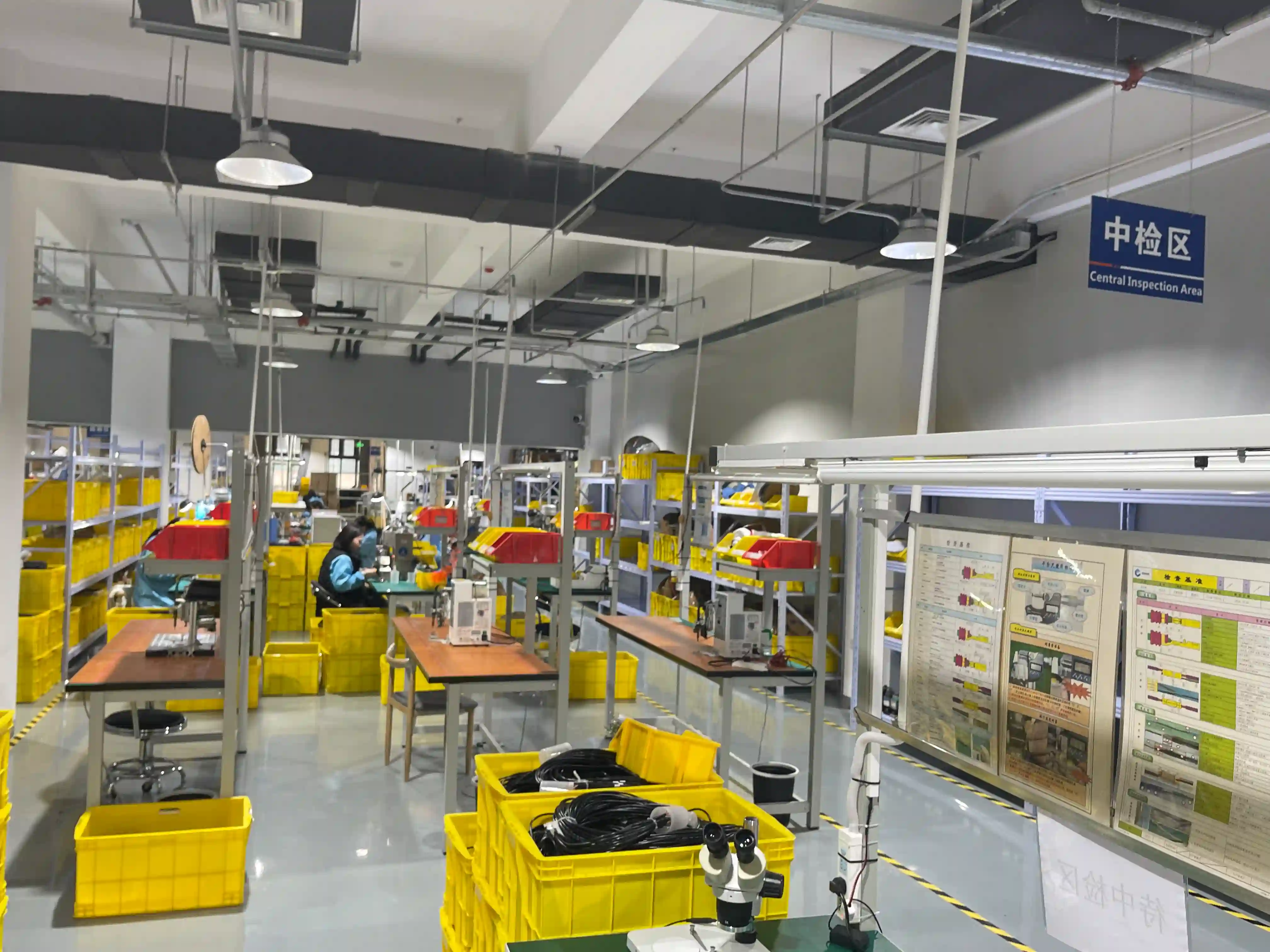
Protection Where Harness Failures Usually Start
Conformal coating is most valuable at the exact places where corrosion, condensation, and contamination cause early field failures: exposed splices, solder joints, terminal transitions, and compact electronics integrated into a cable assembly.
- Brush, spray, dip, and selective coating workflows
- Acrylic, silicone, polyurethane, epoxy, and parylene options
- Masking for connector pins, sealing faces, and keep-out zones
- UV-trace inspection for coating coverage verification
- Flexible coatings for dynamic harness sections
- Chemical-resistant coatings for harsh industrial environments
- IPC-CC-830 aligned process controls
- Prototype through production-volume support
Technical Specifications
Typical conformal coating parameters for wire harness and cable assembly work.
Better Than Bare Metal, Lighter Than Potting
When you need environmental protection without adding bulk, conformal coating fills the gap between unprotected terminations and full encapsulation. It is a practical solution for buyers who need reliability without overbuilding the entire assembly.
Moisture Resistance
Helps block condensation, humidity, and salt exposure
Chemical Protection
Guards against oils, fumes, and cleaning agents
Rework Friendly
Easier to inspect and service than potted assemblies
Weight Efficient
Adds minimal mass to routed cable systems
Conformal Coating Services for Wire Harnesses and Cable Assemblies
As a specialized conformal coating service provider, OurPCB applies thin-film protective coatings to wire harnesses and cable assemblies that need added resistance to moisture, corrosion, chemical splash, and contamination. Unlike full potting, conformal coating protects critical zones while keeping the assembly lighter, more flexible, and easier to inspect.
We support acrylic coatings for cost-sensitive indoor systems, silicone for high-temperature and vibration-prone applications, polyurethane for chemical exposure, epoxy for static insulated junctions, and parylene for ultra-thin high-reliability coverage. This is especially valuable in automotive under-hood harnesses, industrial control assemblies, marine wiring exposed to salt spray, and medical cable systems with strict cleanliness and reliability requirements.
Harness coating is not just about selecting a chemistry. Success depends on masking, surface preparation, cure control, and inspection of the finished film. We define keep-out zones for connector pins, gaskets, and mating surfaces, then verify coating coverage under UV illumination so protected areas are sealed without compromising assembly fit or electrical performance.
Conformal coating often works best in combination with other protection methods. We pair it with heat shrink for cable breakouts, overmolding for cable-entry strain relief, and environmental testing to confirm the finished design survives humidity, temperature cycling, and contamination exposure. For permanent sealing needs beyond thin-film protection, we also offer encapsulation.
If your assembly needs extra protection but full encapsulation is too heavy, too permanent, or too expensive, conformal coating is usually the right middle ground. Contact us to review your environment, coating selection, and validation plan.
Conformal Coating FAQ
Conformal coating is used when a harness needs added protection from humidity, condensation, salt spray, chemicals, or corrosion but still must remain lightweight, flexible, and visually inspectable. It is especially useful at splices, solder joints, and connector-to-wire transition zones.
Conformal coating adds a thin protective film while preserving flexibility and allowing rework. Potting fills cavities with compound for maximum sealing but usually prevents rework. Overmolding adds molded thermoplastic for strain relief and cable-entry sealing. The right choice depends on the environment, serviceability, and weight constraints.
Yes. We can coat assembled harnesses after electrical assembly, provided the required masking plan is defined for connector contacts, sealing interfaces, and any no-coat zones. Selective application is often the best option for mixed-geometry harnesses.
Silicone is commonly selected for automotive under-hood and thermal cycling because it remains flexible across a wide temperature range. Polyurethane is often preferred for industrial and marine environments with solvent or chemical exposure. We review temperature, fluids, rework needs, and bend requirements before recommending a chemistry.
Real Project Experience
How we've handled similar wire harness and cable assembly projects
See de-identified project scenarios — supplier qualification, connector-shortage recovery, lead-time compression, and engineering spec lockdown — drawn from real production records.
Need Harness Protection Without Full Encapsulation?
Discuss conformal coating options for moisture resistance, corrosion protection, and chemical exposure without sacrificing assembly flexibility.