Automotive Wire Harness Clips
We build automotive wire harnesses with clips, retainers, and mounting features already integrated into the released assembly route. The goal is not only electrical pass/fail. It is stable routing, predictable line installation, and repeatable production when OEM or Tier programs move beyond sample builds.
Automotive wire harness clips matter because installation risk usually starts with geometry, not with copper
Buyers searching for automotive wire harness clips usually are not looking for a generic fastener catalog. They are trying to prevent line-side problems that happen when a harness is electrically correct but routed poorly, clipped inconsistently, or packed in a way that damages the retainer before installation. That is why this capability page sits separately from our broader automotive wire harness and cable harness manufacturing service coverage. The buying question here is more specific: can the supplier deliver a clip-installed harness that fits the vehicle mounting geometry and stays consistent across repeat lots?
Our process aligns harness routing with public quality and engineering references such as IATF 16949, IPC, and the broader principles behind a cable harness as an installation-controlled assembly. The practical issue is not academic compliance. It is holding clip fit, branch support, and routing orientation stable enough that the vehicle line is not forced to debug a harness that already passed continuity.
OurPCB Engineering Team frames the commercial risk this way: "In automotive programs, the clip is often treated like a small purchased part. In production it behaves more like a routing control feature. If that feature drifts, the harness can still test good and still miss the vehicle build."
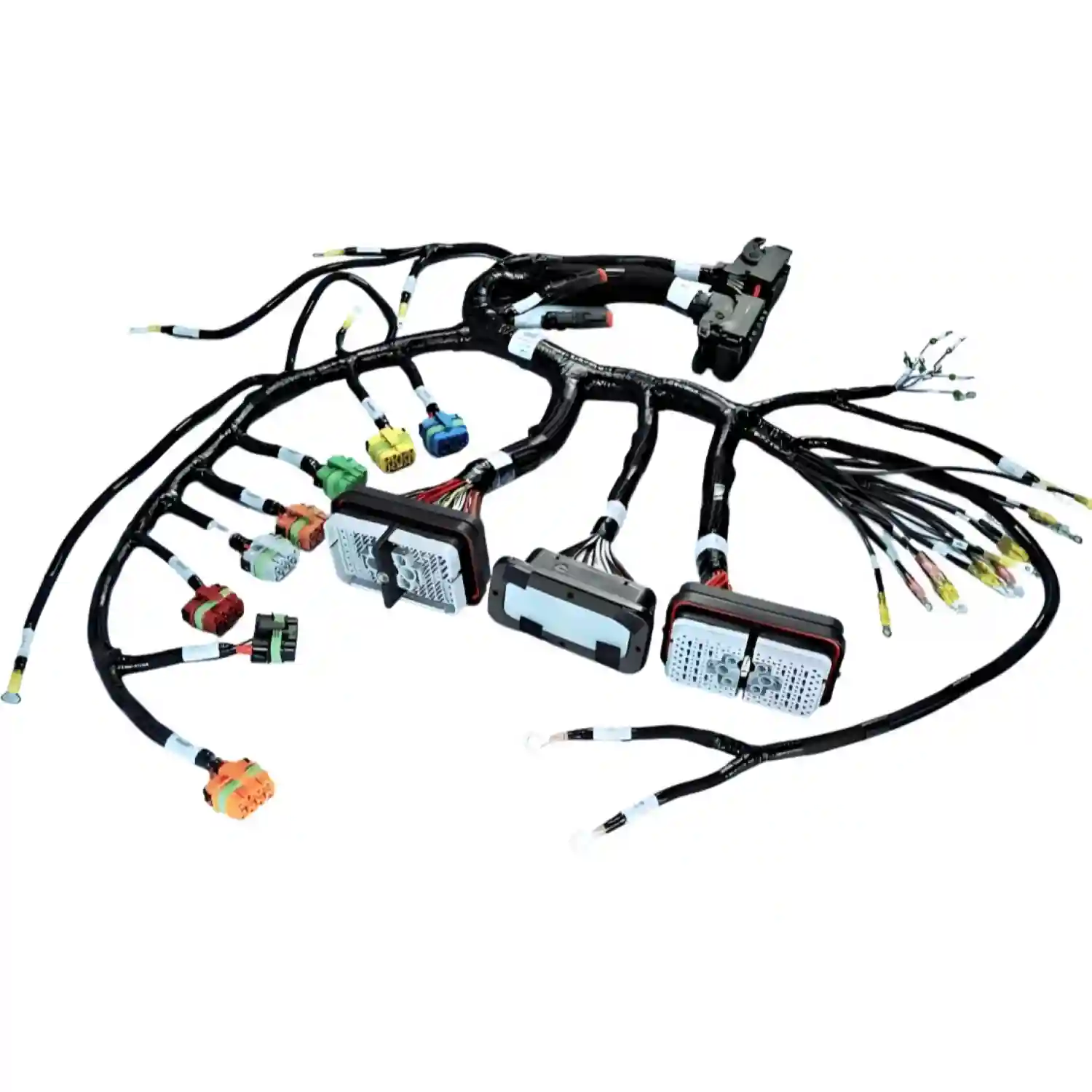
What This Capability Controls
The value of an automotive harness clip supplier is not only sourcing the retainer. It is controlling how that retainer behaves inside the finished harness build.
Clip Selection Tied to Vehicle Geometry
We build around the released hole size, panel thickness, edge condition, and harness bundle diameter so the retainer fits the vehicle instead of only fitting a sample board.
Routing Stability Across Repeat Lots
Clip location, branch breakout, tape wrap length, and protective coverings are locked before release so installation points do not drift from lot to lot.
Retention and Serviceability Control
The clip has to hold through vibration and service handling without making the harness impossible to install or remove on the line.
Connector and Clip Timing in One Build Route
Terminal loading, branch dressing, conduit placement, and clip installation are sequenced together instead of being treated as separate operator improvisations.
Inspection Mapped to Assembly Risk
We inspect clip orientation, seating, bundle support, and branch alignment alongside electrical verification because a clipped harness can fail mechanically before it fails electrically.
Production Release for OEM Programs
Approved builds move into recurring supply with revision control, approved alternates, traceability, and packout rules that protect clip-installed branches in transit.
Automotive Harness Clip Control Points
These are the points that usually decide whether a clip-installed harness remains production-ready after the first approved sample.
| Checkpoint | Common Failure | Our Control |
|---|---|---|
| Clip-to-panel fit | The retainer style looks correct on paper, but the push mount or edge clip does not match the real hole tolerance, edge thickness, or stack-up in production. | We lock the mounting geometry from released drawings or approved samples before material release so installation force and retention stay predictable. |
| Harness branch support | A clip is present, but branch exits, tape wrap stop points, or conduit transitions leave the harness unsupported beside the mounting point. | Clip position, breakout length, coverings, and strain-relief details are defined together so the clip actually controls routing instead of only marking a location. |
| Assembly orientation | Clips are rotated, inverted, or installed in the wrong sequence, creating interference during vehicle assembly or service access. | Work instructions and first article review verify clip direction, branch clocking, and relation to connectors, grommets, and attachment surfaces. |
| Transit and installation damage | Harnesses pass bench inspection, then clips crack, detach, or distort branches during bagging, packing, or line-side handling. | We define protective packout, tray orientation, and variant separation so installed clips arrive ready for line use rather than needing field correction. |
Vehicle harness retention is also a fatigue issue. Public background on fatigue and our own wire harness vibration fatigue guide both point to the same lesson: routing support has to be designed into the assembly before field vibration starts exploiting weak transitions.
Technical Scope and Limits
This page is meant for OEM and Tier buyers sourcing clip-installed automotive harness builds, not for generic hardware resale.
Typical clip formats
Fir-tree retainers, edge clips, push-mount ties, saddle clips, P-clamp style supports, and clip-plus-tape or clip-plus-conduit retention methods used inside automotive harness builds.
Best-fit programs
Engine bay harnesses, body harnesses, door and seat harnesses, under-dash routing, battery and charging sub-harnesses, and heavy-duty vehicle builds where mounting points drive installation time.
Buyer input package
Released drawing, clip part numbers, hole or edge geometry, panel stack-up, branch lengths, connector list, annual volume, validation requirements, and packout expectations.
Quality framework
ISO 9001 production controls with workmanship expectations associated with IPC/WHMA-A-620, plus customer-specific retention, routing, and test criteria.
Adjacent capabilities
Often paired with connector assembly, strain relief, overmolding, electrical testing, and full automotive wire harness manufacturing release support.
Out of scope
Loose universal clip resale, undocumented clip substitutions, field installation labor, and changes to mounting geometry without approved customer data.
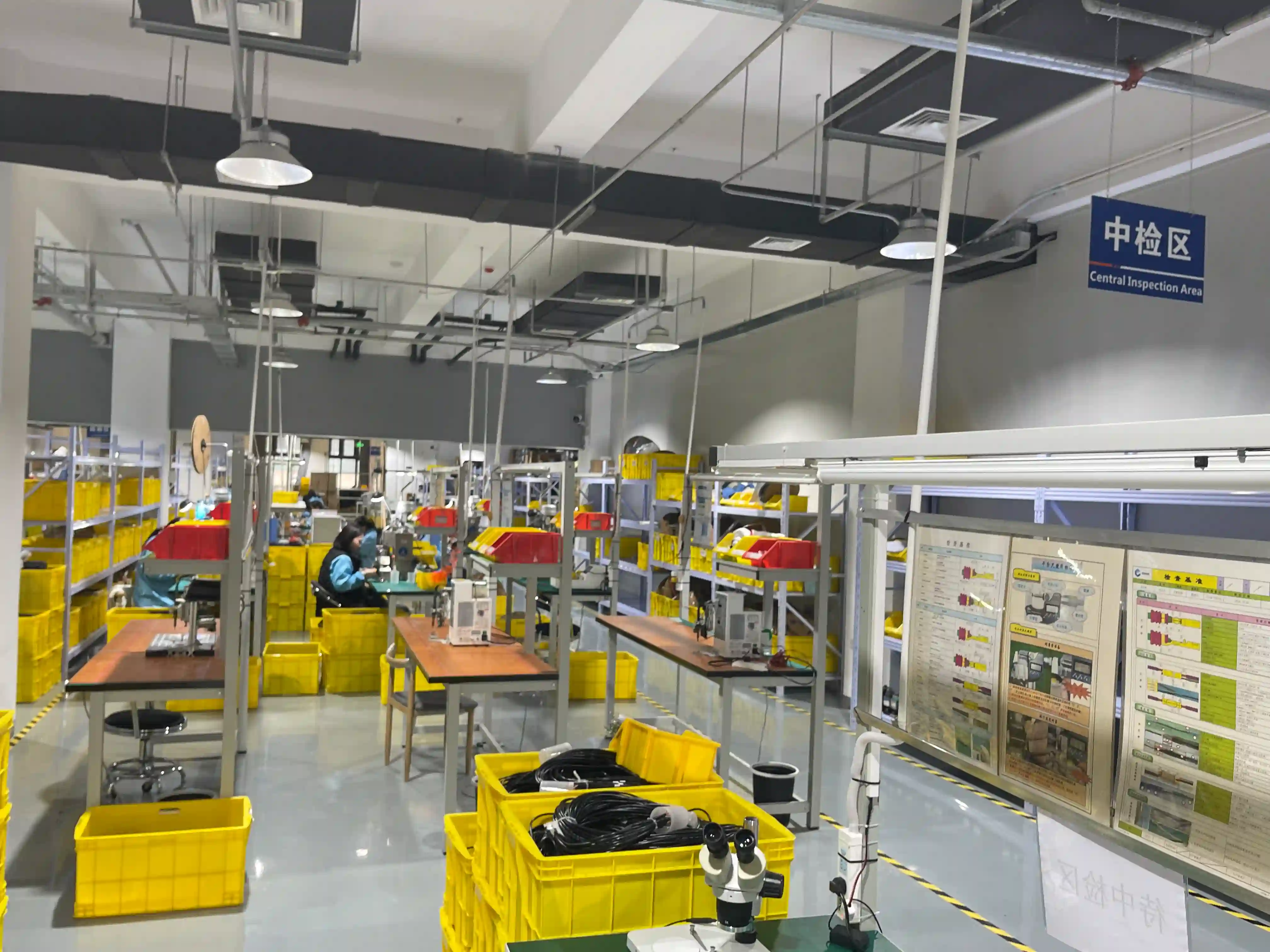
A clipped harness that arrives damaged or misoriented is still a production failure
Automotive clip programs fail in predictable ways: clip direction is reversed, branch support is too short, conduit ends at the wrong place, or the packout lets retainers snap before the harness reaches the line. We connect connector assembly, strain relief control, electrical verification, and protective packaging into one release path so routing hardware is treated as part of the harness, not as a fragile accessory.
This page is also useful for second-source transfers. If the incumbent supplier delivered an acceptable pilot lot but never documented clip orientation, approved alternates, or tray position, the next lot can drift even when the BOM still looks correct. We compare the released package against the real sample before copying that risk into production.
"The most expensive clip problem is usually not a missing part. It is the retained branch that arrives in the wrong clock position and forces the vehicle build team to bend, reroute, or reject the harness at installation."OurPCB Engineering Team
Automotive Harness Clip Workflow
This process is written for automotive sourcing and engineering teams qualifying clip-installed harnesses for recurring production.
RFQ and Routing Review
We review harness drawings, branch strategy, attachment points, clip family, and vehicle-side mounting details before quoting the production path.
Clip and Bundle Definition
Clip part numbers, orientation, branch support length, coverings, and any approved alternates are tied to the current revision before procurement starts.
Pilot Build on Production-Intent Work Instructions
A controlled sample confirms clip fit, routing geometry, branch breakout, and assembly order before wider output depends on the build.
Electrical and Mechanical Verification
Continuity, pinout, visual checks, clip seating review, and handling-risk checks are executed against the released acceptance criteria.
Packout and Variant Control
Protective packaging, labeling, and lot separation are finalized so clipped harnesses arrive without broken retainers or mixed vehicle variants.
Repeat Production Release
Approved programs move into recurring supply with revision control, traceability, approved alternates, and stable installation geometry.
When Buyers Use This Page
These are the sourcing situations where a dedicated automotive wire harness clip capability page is more useful than a broad automotive overview.
Your harness fits electrically but still fails installation on the line
This page fits programs where routing clips, branch support, or attachment orientation create assembly trouble even though the pinout is correct.
You need clip-installed harnesses, not loose components in a separate bag
Many automotive teams need the clip already mounted and verified because line-side assembly time is more expensive than the clip itself.
You are qualifying a second source for an existing vehicle harness
Second-source transfer only works when clip geometry, approved alternates, and branch orientation are translated into controlled work instructions instead of copied by appearance alone.
Your current supplier treats clips as a purchasing detail instead of a build control
That usually causes lot-to-lot drift in clip direction, support length, packout damage, or mounting fit even when the connector and wire choices are unchanged.
Send the harness drawing and mounting details before clip variation reaches the vehicle line
If you already have the harness print, clip list, panel geometry, or approved sample, we can review the production risks that most often create installation trouble: wrong retainer orientation, weak branch support, undocumented alternates, and packout damage.
Automotive Wire Harness Clips FAQ
This capability is for complete harness assemblies with clips integrated into the released build. We can source approved retainers, but the commercial value is controlling routing, orientation, retention, and packout inside the finished automotive harness rather than selling generic loose clips alone.
We work with common automotive retention formats such as fir-tree clips, edge clips, push mounts, clip-and-tie combinations, and bracket-mounted supports. The right method depends on the released panel geometry, bundle size, environment, and vehicle assembly sequence.
Because a clipped harness can be electrically correct and still cause production problems if the retainer does not fit the mounting feature, the branch support is weak, or the clip orientation interferes with installation. Buyers searching this term are usually trying to prevent line-side assembly risk, not only buy wire and terminals.
Yes. We align clip-installed harness builds with the same production discipline used for broader automotive programs, including revision control, traceability, first article review, and customer-specific inspection or documentation requirements.
The fastest quote includes the harness drawing, clip and connector part numbers, vehicle-side mounting details, branch length data, annual volume, test requirements, and any packout or sequencing rules for the receiving line.
Yes. We can review the approved sample alongside the released drawing and BOM to identify where clip orientation, mounting geometry, support length, or approved alternates must be documented before the build is transferred into repeat production.
Related Services & Resources
Automotive Wire Harness
Broader product-focused coverage for OEM and Tier automotive harness builds.
CapabilityConnector Assembly Services
Connector loading, seal insertion, and TPA/CPA verification for automotive harness builds.
CapabilityCable Strain Relief Solutions
Retention and exit-protection control for branches, connectors, and harsh-environment routing.
CapabilityCable Harness Manufacturing Service
Broader custom harness release support for OEM and Tier sourcing teams.
BlogIATF 16949 and Wire Harnesses
Quality-system context for automotive harness sourcing and production release.
BlogWire Harness Vibration Fatigue Guide
Why routing support and retention details matter in vehicle environments.
Real Project Experience
How we've handled similar wire harness and cable assembly projects
See de-identified project scenarios — supplier qualification, connector-shortage recovery, lead-time compression, and engineering spec lockdown — drawn from real production records.
Need an Automotive Harness Supplier That Can Control Clips and Routing?
Send the drawing, clip schedule, mounting geometry, and packout requirements. We will review routing fit, clip integration risk, test coverage, and the repeat-production release path before the next vehicle build depends on guesswork.