Wire Harness Tester Programs
We set up wire harness tester programs around the real production risks: continuity, pinout, isolation, revision drift, and fixture repeatability. The goal is a controlled release path that keeps pilot approval and repeat production aligned.
A strong harness test plan protects production from obsolete programs and weak fixtures
Buyers searching for a wire harness tester are usually not shopping for a generic continuity box. They need a supplier that can connect the released net list, the mating interface, and the production acceptance plan into one stable method. This work draws on our testing capability, harness manufacturing service, and production-release support.
Public references on continuity testing, hipot testing, and cable harnesses describe the core electrical checks, but the commercial failure usually happens in the handoff between engineering and production. A test machine cannot fix an outdated program, the wrong mating adapter, or undefined pass-fail windows.
OurPCB Engineering Team puts it directly: "The tester only adds value when it is tied to the right revision, the right fixture, and the right acceptance logic. Otherwise, you are just automating the wrong decision."
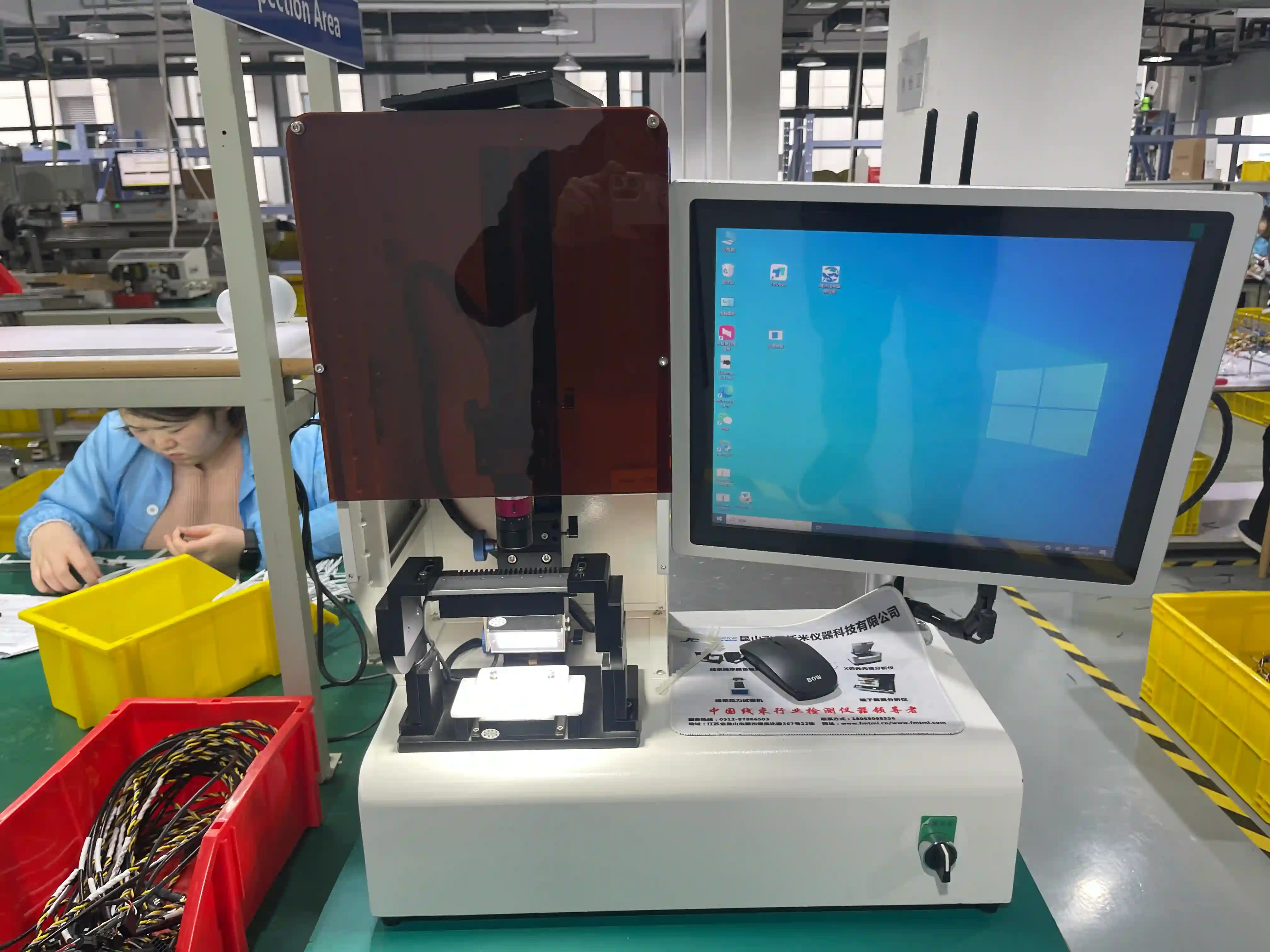
What This Capability Controls
The point is not only to test harnesses. The point is to hold the test method stable under production conditions.
Tester Program Control
We translate the released net list into a controlled tester program so continuity, shorts, miswires, and optional resistance limits are checked against the right revision.
Fixture and Interface Planning
The tester is only useful when the mating interface is stable. We define adapter boards, mating connectors, breakout fixtures, and probe access around the real harness geometry.
Acceptance Limits That Match Risk
Pass and fail windows are built around your harness application, whether the issue is swapped cavities, shield isolation, hipot withstand, or intermittent opens.
Revision-Managed Validation
Engineering changes trigger controlled updates to the tester, fixture, and approval records instead of letting production run against an obsolete program.
Pilot and First-Article Readiness
We use the tester during sample builds and first-article approval so the production release proves the method, not just one acceptable harness.
Repeat Production Stability
Once approved, the same tester logic supports recurring orders, multi-shift production, and supplier-transfer programs without informal bench interpretation.
Tester-Controlled Production Risks
Most harness test escapes are not caused by missing equipment. They come from weak revision control, weak fixtures, or the wrong acceptance logic.
| Checkpoint | Common Failure | Our Control |
|---|---|---|
| Program revision | Production keeps running an old tester file after an ECO changed cavity assignments or shield treatment. | We link tester logic, release revision, and first-article approval so program changes are reviewed before the next lot starts. |
| Fixture interface | Bench checks pass because operators are touching flying leads manually, but repeat production fails because the fixture does not control connector seating or breakout access. | Adapter and fixture design are defined around the actual connector family, latch behavior, and harness form so the test setup is repeatable. |
| Acceptance windows | A continuity-only pass misses insulation faults, swapped pins, or resistance problems that matter in the field application. | We choose the right mix of continuity, shorts, hipot, IR, shield, or resistance checks based on the released risk profile. |
| Production handoff | Engineering approves one golden sample, but production does not inherit the same tester limits, labels, or records. | The approved tester setup becomes part of the manufacturing package for pilot, ramp, and recurring builds. |
This is also why first-article discipline matters. Public background on first article inspection follows the same logic: prove the released method before wider production depends on it.
Technical Scope and Limits
This capability is for buyers who need a controlled harness tester route, not a generic reference to electrical inspection.
Best-fit programs
Multi-circuit wire harnesses, connectorized cable assemblies, shielded harnesses, mixed power-signal builds, and products where pinout or isolation errors create expensive field failures.
Typical validation methods
Continuity, shorts, miswire detection, insulation resistance, hipot, shield checks, resistance windows, and defined fixture-based operator verification.
Input package
Released drawing, net list or pinout table, connector part numbers, quantity target, test requirements, acceptance limits, and any existing golden sample or legacy tester data.
What the tester controls
Electrical correctness, revision alignment, fixture repeatability, documented pass-fail criteria, and handoff from engineering approval to production routing.
Quality framework
ISO 9001 process control, workmanship expectations associated with IPC/WHMA-A-620, and customer-specific electrical acceptance criteria.
Out of scope
PCB fabrication, SMT assembly, undocumented redesigns, lab-only certification consulting, and shipping a loose tester without the supporting harness production context.
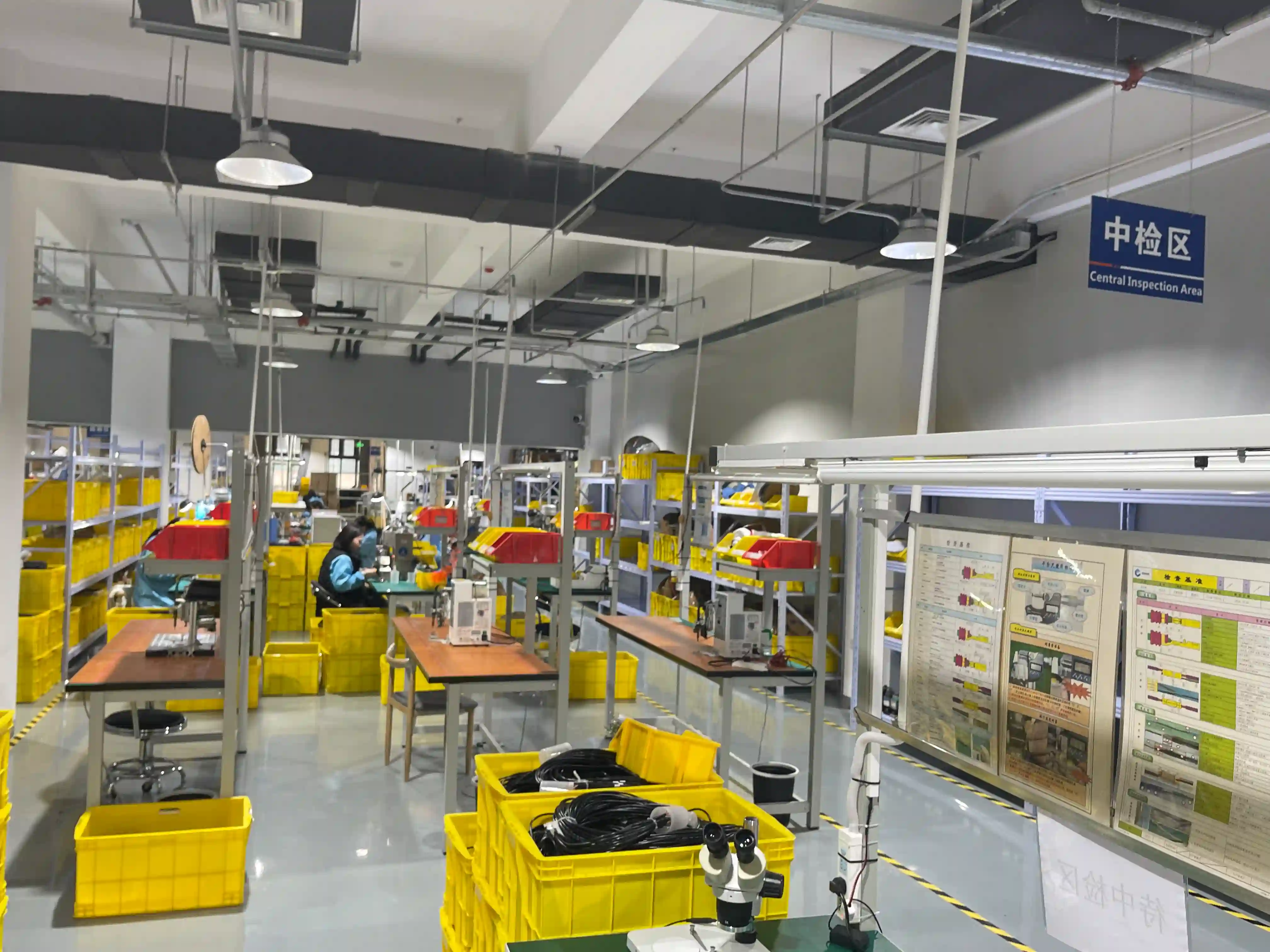
The real deliverable is a tester route that survives repeat production
A harness can pass one bench check and still fail commercially if the production line cannot reproduce that result at speed. Our approach connects continuity verification, hipot where required, termination control, and traceable pack-out to one release package rather than isolated inspection steps.
This is especially important when a harness family has multiple variants or when an incumbent supplier is being replaced. In those cases, the tester often becomes the single best way to stop miswires, missing option branches, and outdated revisions before they reach the customer line.
"If the tester program changes slower than the harness revision, field failures become a paperwork problem first and a quality problem second."OurPCB Engineering Team
Wire Harness Tester Workflow
The workflow is built for engineering and procurement teams sourcing a repeatable test method, not only a one-time debug check.
RFQ and Test Requirement Review
We review the harness drawing, net list, connector family, application risk, and required electrical checks before promising a tester route.
Program and Fixture Definition
The released connectivity is converted into tester logic, adapter planning, probe access, and pass-fail criteria that operators can use consistently.
Pilot Harness Validation
Sample or pilot builds run through the defined tester path so continuity, isolation, and fixture behavior are proven before volume release.
Approval and Record Lock
The approved tester revision, fixture method, and acceptance windows are tied to the released harness package and first-article records.
Production Routing
Operators run the same tester method during recurring production with traceable pass-fail records and revision control.
Change and Revalidation
When the harness changes, the tester and fixture change with it so production does not silently drift away from the approved electrical definition.
Where This Service Fits
Choose this page when the electrical test method is part of the buying requirement.
You need more than a generic testing claim
Choose this page when you need to know how the tester program, fixture, and pass-fail limits will actually be controlled in production.
Your harness has too many circuits for manual bench checks
As circuit count grows, continuity-by-hand becomes slow, inconsistent, and weak at catching miswires or intermittent faults.
You are transferring a program from another supplier
A tester route is often where hidden tribal knowledge lives. We compare drawings, golden samples, and existing records so that knowledge is not lost during transfer.
You need first-article approval to match repeat production
If the approved sample uses one test method and the production line uses another, the quote is exposed to avoidable risk. This capability closes that gap.
What to send for a faster wire harness tester review
The strongest RFQs include the harness drawing, net list or wire map, connector and terminal part numbers, target quantity, required electrical tests, and any existing tester revision or golden sample notes. If you are transferring a live program, send the current acceptance limits and fixture photos so hidden assumptions surface early.
Typical quote inputs
- Harness drawing and net list
- Connector and terminal part numbers
- Required continuity, hipot, or IR checks
- Acceptance limits and test records needed
- Golden sample or current tester revision
- Pilot lot and annual quantity targets
Wire Harness Tester FAQ
A wire harness tester is the controlled electrical test method used to verify continuity, shorts, miswires, insulation performance, or other defined pass-fail criteria on a finished harness. In production, the real value is not the machine alone. It is the combination of tester program, fixture interface, acceptance windows, and revision control.
The general testing page explains the range of quality checks we can perform. This wire harness tester page is more specific: it focuses on how tester programs, fixtures, and validation records are created and managed so repeat production runs against the right electrical definition.
The fastest quote includes the released drawing, net list or pinout table, connector part numbers, target quantity, required tests, acceptance limits, and any existing tester revision or golden sample information. Legacy fixture photos are also useful when a program is being transferred.
Yes. Some programs only need continuity, shorts, and pinout verification, while others also require insulation resistance, hipot, shield isolation, or defined resistance windows. We match the tester method to the released risk and application requirements.
Because a harness can pass perfectly on the wrong revision. If the drawing changes and the tester does not, production may keep accepting miswired or incomplete assemblies. Tester revision control is one of the most important protections in repeat harness manufacturing.
Yes. Pilot builds are often the right moment to prove the tester path, validate fixture access, and lock approval records before scaling into recurring production.
Related Capabilities and Resources
Testing Capabilities
See the broader electrical and mechanical verification services behind the tester workflow.
CapabilityContinuity Testing
Detailed point-to-point verification capability for harness and cable programs.
CapabilityCable Harness Manufacturing Service
Commercial support for harness programs that need tester control tied to full production release.
CapabilityProduction-Ready Cable Assembly
Use this when sample approval must convert into stable repeat manufacturing.
BlogWire Harness Continuity Testing Guide
Background on continuity methods, intermittent faults, and automated harness test logic.
BlogFirst Article Inspection for Cable Assembly
See how tester approval should tie into first-article release before volume production.
Real Project Experience
How we've handled similar wire harness and cable assembly projects
See de-identified project scenarios — supplier qualification, connector-shortage recovery, lead-time compression, and engineering spec lockdown — drawn from real production records.
Need a controlled tester route for a new or transferred harness program?
Send your drawing package, net list, or current tester notes. We will review fixture risk, revision control needs, and the best path to pilot validation or repeat production.