Production-Ready Cable Assembly Service
A cable that works once is not ready for release. We turn validated cable assemblies into repeatable production builds with DFM closure, first article evidence, controlled test limits, and a documented China or Philippines manufacturing route.
Production readiness starts where prototype confidence ends
Production-ready cable assembly is the handoff between engineering approval and repeat manufacturing. OurPCB already supports quick-turn prototyping, DFM review, 100% electrical testing paths, and dual-factory production in China and the Philippines. For products entering North America, this release package can pair with UL/CSA-rated material selection support so material approvals, labels, hipot limits, and lot records stay controlled. This service connects those pieces into a controlled release package for buyers who need the next 500 units to match the approved first 5.
The release package is practical, not ceremonial. We align drawings, BOMs, work instructions, test requirements, and packaging rules with quality systems such as ISO 9001, workmanship expectations associated with IPC, and buyer-specific inspection requirements. For production programs, the important question is not only whether the assembly passes today; it is whether a different operator can build the same assembly next month.
OurPCB Engineering Team summarizes the risk clearly: "Prototype approval often proves the electrical idea. Production readiness proves the manufacturing system. If strip length, terminal tooling, polarity, labels, and test limits are still tribal knowledge, the cable is not released yet."
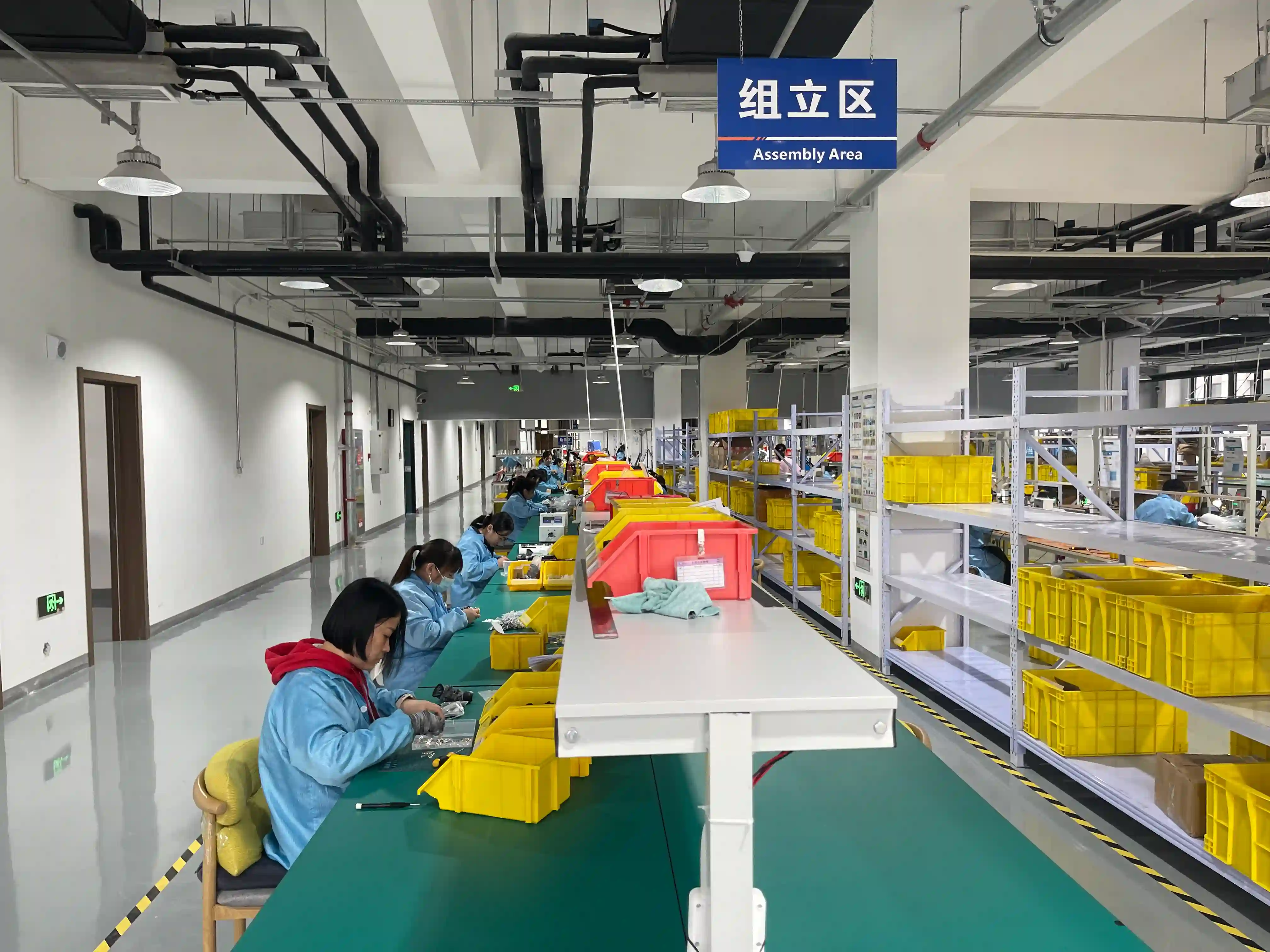
Production Readiness Gates
Each gate removes a common reason cable assemblies fail during scale-up: unclear drawings, uncontrolled materials, weak test limits, or undocumented operator knowledge.
DFM Closure Before Release
We close open drawing, BOM, connector, wire gauge, bend radius, and label questions before the assembly is released to repeat production.
First Article Evidence
The first build can include dimensional checks, pinout confirmation, photos, electrical test records, and acceptance notes for buyer approval.
Controlled Test Limits
Continuity, hipot, pull force, insulation resistance, or functional checks are converted into numerical pass/fail requirements where the drawing allows.
Repeatable Work Instructions
Operator instructions capture strip length, crimp tooling, connector orientation, label placement, sleeve position, and packaging sequence.
Scalable Manufacturing Route
Prototype lessons are converted into a China or Philippines production plan based on volume, tariff exposure, material flow, and quality requirements.
Change Control Discipline
Revision changes are separated from production orders so a late ECO does not quietly overwrite the build standard used on approved lots.
Prototype Approval vs. Production Release
A production quote should identify what changes between a working sample and a repeatable build.
| Release Gate | Prototype Risk | Production Control |
|---|---|---|
| Engineering drawing | Prototype notes, redlines, and hand-fit assumptions are still outside the controlled drawing. | Release a clean drawing with revision, tolerances, branch lengths, connector orientation, labels, and accepted alternates. |
| Bill of materials | Purchasing uses partial part descriptions, which can create terminal, seal, or jacket variation between lots. | Lock manufacturer part numbers, approved alternates, material lot traceability, and no-substitution components. |
| Crimp and termination plan | Hand-built samples pass a bench check but do not prove repeatable crimp height, pull force, or strain relief. | Define tooling, strip length, crimp inspection points, pull force sampling, and operator setup records. |
| Electrical test plan | The supplier only checks continuity informally, leaving shorts, reversed pins, or insulation defects undefined. | Document continuity, hipot, insulation resistance, shield, or functional limits with the required sample size. |
| Packaging and release | Assemblies arrive usable electrically but are hard to install because labels, bags, and kit sequence were not controlled. | Specify labels, serialization, bagging, bend protection, carton count, and shipment release records. |
The comparison matters because first article approval is a manufacturing proof point, not a paperwork exercise. Public descriptions of first article inspection emphasize verification against specification before wider production. For cable assemblies, that means proving the released build method, not only the electrical schematic.
Technical Scope and Limits
Production-ready support is best for released or nearly released designs. It is not a substitute for unfinished engineering.
Best-fit projects
Validated cable assemblies and wire harnesses moving from prototype, pilot, or first order into repeat production.
Typical input package
Drawing, wire list, BOM, connector and terminal part numbers, pinout, quantity forecast, test requirements, and packaging rules.
Supported build work
Cutting, stripping, crimping, soldering where specified, heat shrink, labels, sleeves, overmold coordination, testing, and packaging.
Inspection options
First article inspection, continuity testing, hipot, pull force, visual inspection, dimensional checks, and customer-specific checklists.
Quality framework
ISO 9001 quality controls, IPC/WHMA-A-620 workmanship alignment, IATF 16949 support for automotive programs, and ISO 13485 support for medical projects.
Volume range
No-MOQ first builds through recurring production schedules, including pilot lots, annual releases, and staged replenishment orders.
Out of scope
Unapproved connector substitutions, live field installation, undocumented safety redesigns, and services outside cable or wire assembly scope.
Production handoff
Released work instruction, approved BOM, test plan, packaging method, inspection notes, and revision-controlled reorder path.
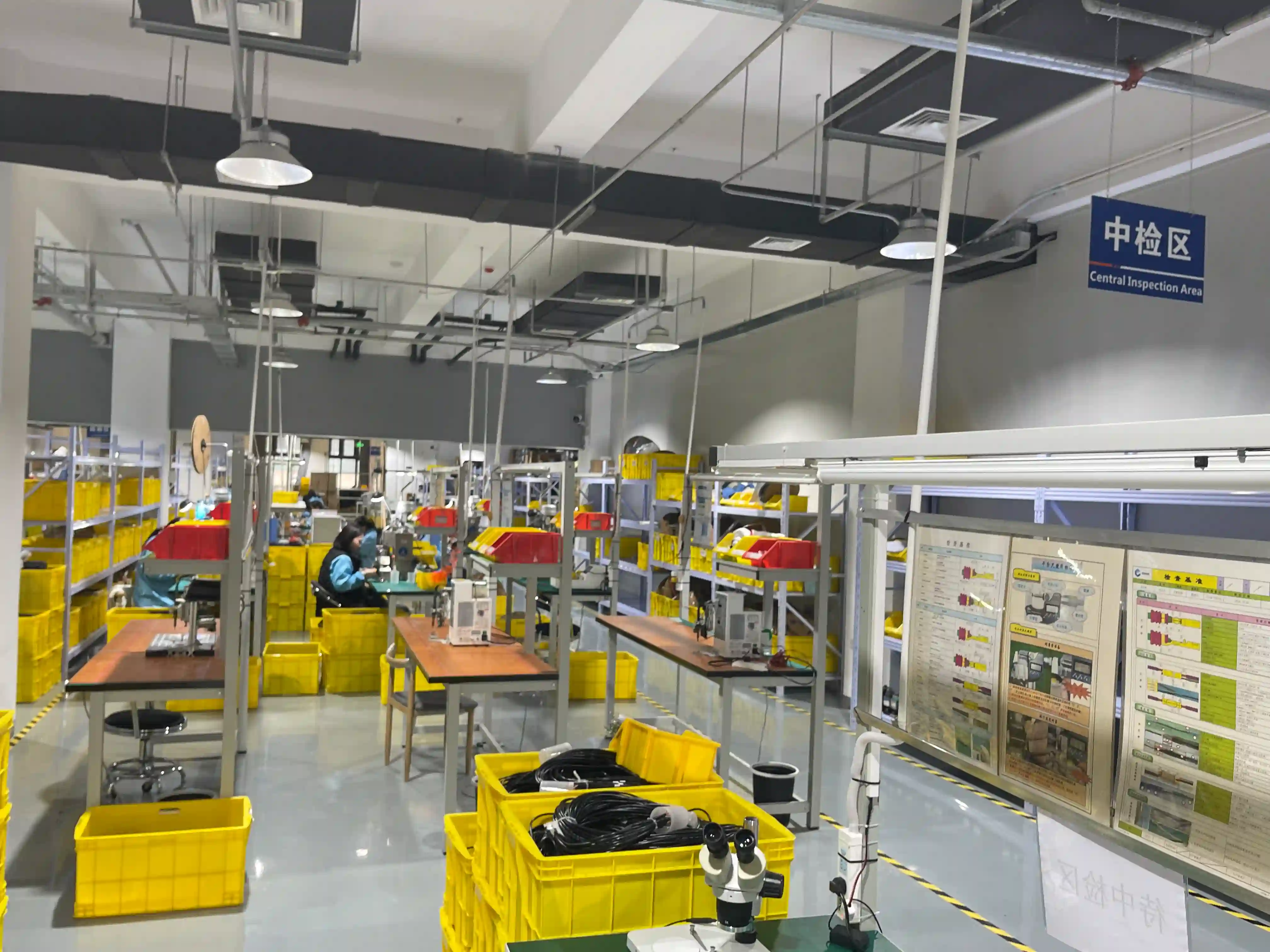
The first production build should teach the production system
A first article or pilot lot should answer specific release questions. Can the operator identify connector orientation without guessing? Are the strip length and crimp tooling recorded? Does the continuity fixture match the final pinout? Are labels readable after packing? Does the carton prevent bend damage? Each answer reduces the chance that a larger order repeats a small hidden defect.
Our production release work uses existing capabilities from crimping, wire cutting and stripping, continuity testing, hipot testing, and labeling and packaging. The difference is sequencing: release risks are closed before volume builds hide them.
"The cheapest production problem is the one caught while the first article is still on the bench. Once 2,000 cables are packed, the same mistake becomes sorting, freight, schedule loss, and customer escalation."OurPCB Engineering Team
Production Release Workflow
The workflow is built for buyers who need a controlled bridge from approved prototype or pilot lot to repeat cable assembly production.
Production Readiness Review
We review drawings, BOMs, samples, expected annual usage, end-use environment, and required certifications to separate open engineering issues from production tasks.
DFM and Material Closure
Connector availability, terminal tooling, wire gauge, bend radius, strain relief, labels, and packaging are checked before material commitments begin.
First Article Build
A controlled first article or pilot lot proves the released route with production tooling, trained operators, documented inspection points, and test records.
Approval Package
The buyer receives the records needed for release, such as photos, dimensional checks, continuity results, CoC requirements, and exception notes.
Ramp and Repeat Orders
Approved assemblies move into repeat production with revision control, lot traceability, material replenishment, and a defined China or Philippines build route.
Ongoing Change Control
ECOs, alternates, test changes, and packaging updates are handled as controlled releases so production does not drift from the approved build standard.
Where This Service Fits
Choose this service when repeatability, documentation, and scale-up control matter more than another quick sample.
Prototype validated, production risk remains
Use this service when 1 to 50 samples worked electrically, but the drawing, BOM, test plan, and work instruction still need release discipline before 500 or 5,000 pieces.
Pilot lot needed before annual release
A 25 to 200 piece pilot lot can prove production tooling, labeling, packaging, and inspection records before procurement places a larger blanket order.
Supplier transfer or second source
When moving from another supplier, we compare samples, drawings, and test requirements so the new source does not copy hidden defects into repeat production.
Automotive or medical documentation pressure
Programs tied to ISO 13485, or device history documentation need clearer release gates than a generic cable assembly quote.
Production Review RFQ Checklist
Production-Ready vs. Related Services
These boundaries prevent overlap with prototype, rush, testing, and generic custom cable assembly pages.
Use production-ready release support
- The prototype works, but the production package is incomplete
- A pilot lot needs first article evidence before annual release
- You need stable work instructions, test limits, and revision control
- The buyer wants repeatable China or Philippines production
Use another service instead
- Choose prototyping when the design is still changing
- Choose rush assembly when the design is released but delivery is urgent
- Choose testing when you only need continuity, hipot, or pull force verification
- Choose design support when drawings or connector choices are not mature
Pricing Signals
Production pricing depends on material minimums, tooling setup, test fixture work, inspection scope, packaging labor, and annual release cadence. A stable forecast usually lowers avoidable setup cost.
Lead Time Signals
The first release is controlled by engineering closure and material availability. Repeat orders move faster once the BOM, work instruction, and test plan are locked.
Best-Fit Outcome
The goal is not a prettier prototype. The goal is a cable assembly production package that procurement, quality, and operations can reorder without rebuilding tribal knowledge.
Production-Ready Cable Assembly FAQ
Production-ready cable assembly means the build can repeat under a controlled drawing, BOM, work instruction, and test plan. A sample that passes continuity once is not enough for release. We look for revision control, locked connector and terminal part numbers, documented strip lengths, crimp inspection points, label rules, packaging requirements, and first article evidence before larger production lots begin.
Send the latest drawing revision, BOM, wire list, connector part numbers, approved sample photos, required quantity, target ship date, packaging rules, and test requirements. For 2,000 pieces, we also want the annual forecast and any no-substitution components so purchasing can separate material lead time from assembly time. If the prototype had redlines, include those notes before release.
Prototype cable assembly proves the design can work; production-ready cable assembly proves the design can repeat. Prototype work often accepts engineering learning, redlines, and rapid changes. Production release needs stable drawings, controlled tooling, inspection points, lot traceability, and a defined test plan. If your design is still changing every week, start with prototyping before locking production assumptions.
Yes, first article inspection can be included before the production ramp. The inspection package may include dimensional checks, continuity results, pinout verification, photos, label review, crimp pull force records, and exception notes. For many cable assemblies, a first article or first pilot lot prevents costly rework because the buyer can approve the exact build method before the remaining quantity is released.
Yes, low-volume production is supported when the setup cost, material minimums, and test requirements are visible in the quote. Our no-MOQ policy allows 1 piece through recurring production orders, but production-ready planning still matters. A 20-piece annual medical cable and a 20,000-piece industrial cable need different documentation, tooling, packaging, and inventory decisions.
Production cable assemblies are typically controlled through ISO 9001 quality procedures and IPC/WHMA-A-620 workmanship expectations, with IATF 16949 support for automotive programs and ISO 13485 support for medical device work. The exact test plan depends on the drawing and application. Common checks include continuity, hipot, insulation resistance, visual inspection, dimensional review, and crimp pull force sampling.
Use rush assembly when the design is already released and the main problem is urgent delivery. Use production-ready release support when the main risk is repeatability: incomplete drawings, prototype redlines, missing test limits, unclear packaging, or uncertain scale-up path. A line-down 200-piece order and a planned 2,000-piece production ramp both need speed, but the controls are different.
Related Services and Resources
Prototype Cable Assembly
Validate designs before production release
CapabilityDesign Support
DFM review and drawing support
QualityTesting Services
Continuity, hipot, pull force, and environmental testing
ServiceCustom Cable Assembly
Build-to-print and custom cable production
Supply ChainInventory Management
Kanban and repeat production planning
ResourcePrototype to Production Guide
Release gates for harness scale-up
Real Project Experience
How we've handled similar wire harness and cable assembly projects
See de-identified project scenarios — supplier qualification, connector-shortage recovery, lead-time compression, and engineering spec lockdown — drawn from real production records.
Ready to Release Your Cable Assembly to Production?
Send the drawing, BOM, approved prototype notes, quantity forecast, and test requirements. Our engineering team will review production readiness and identify the gaps before you scale.