Connector Assembly Services
We support connector assembly for custom wire harness and cable programs where cavity loading, seal insertion, retention locks, and pinout verification have to stay stable from first article through repeat production.
A connector assembly quote should tell you how the supplier prevents mis-pins and weak retention
Buyers usually ask for connector assembly services when the risk is no longer the wire alone. The risk moves into the housing, the cavity map, the assurance locks, and the way similar connector variants are kept separate across production lots. This work bridges crimping and full cable harness manufacturing service. It focuses on the connector-specific work that turns a terminated contact into an install-ready interconnect.
Our process is aligned with public references for the underlying technology and quality intent, including the basics of an electrical connector, the mechanics of a crimped termination, and workmanship expectations associated with IPC. The point is practical: connector builds need defined assembly controls so the approved first article and the next production lot behave the same way.
OurPCB Engineering Team summarizes the buying issue directly: "A connector can pass a visual glance and still fail in the field if the contact is not fully seated, the seal is twisted, or the assurance lock is only half engaged. The quote needs to show how those risks are controlled before volume starts."
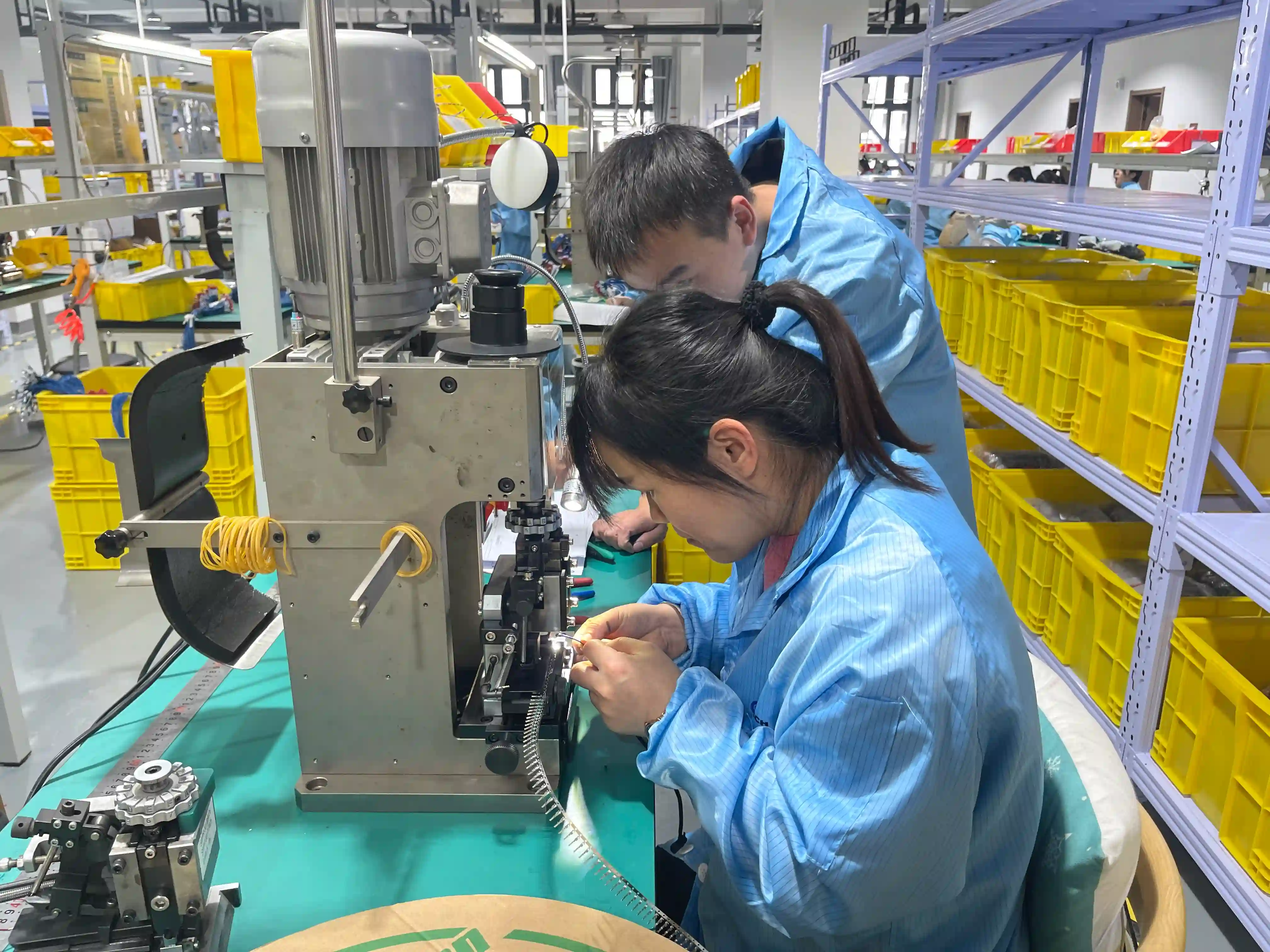
What This Capability Controls
The page targets commercial buyers comparing connector assembly suppliers, so the important question is how the process stays stable after sample approval.
Controlled Terminal Preparation
Wire strip length, crimp height, insulation support, seal position, and terminal orientation are controlled before the contact enters the housing.
Connector Loading by Released Cavity Map
We load contacts by cavity definition, keying code, wire color, circuit ID, and revision-controlled work instructions rather than operator memory.
Secondary Lock Verification
TPA, CPA, wedgelocks, backshell hardware, and retention clips are verified as part of the assembly route, not treated as optional finishing work.
Inspection That Matches Installation Risk
Visual checks, pinout confirmation, continuity, pull force sampling, and mating checks are selected according to the connector family and field-use risk.
Connector Family Flexibility
We support automotive sealed connectors, industrial circulars, board-edge cable connectors, power housings, and mixed connector sets inside one harness build.
Production-Ready Documentation
Approved connector builds move into repeat production with cavity charts, revision control, traceability, and packaging rules matched to your receiving process.
Connector Assembly Production Controls
These are the control points that separate repeatable connector assembly from a build that only looks right on the bench.
| Checkpoint | Common Failure | Our Control |
|---|---|---|
| Contact preparation | The terminal is crimped, but strip length, seal position, conductor brush, or insulation support do not stay consistent across lots. | We define crimp tooling, strip targets, pull-force expectations, and seal insertion checks before the connector build is released. |
| Cavity loading | A connector can look complete while one cavity is mis-pinned, partially seated, or loaded with the wrong wire color or circuit number. | Connector loading follows the released cavity map with pinout verification, seating checks, and visual inspection against the current revision. |
| Secondary locks | TPA, CPA, wedgelocks, or backshell hardware are left half-engaged, which creates intermittent field failures under vibration or service handling. | We treat assurance devices as mandatory assembly steps with defined acceptance criteria, not as optional operator judgment calls. |
| Packout and traceability | Connector faces are damaged in transit, labels do not match cavity orientation, or the receiving team cannot distinguish similar variants. | Caps, bags, labels, serialization, and variant separation are set before shipment so the approved connector build arrives installation-ready. |
First article approval matters here because connector fit, seating, and retention have to be proven against the released cavity definition before repeat production starts. Public background on first article inspection explains the same principle in a broader manufacturing context.
Technical Scope and Limits
This offer is for connector-intensive cable and harness work that needs controlled assembly and inspection, not a generic manufacturing catch-all.
Typical connector work
Terminal crimping, hand insertion, applicator-based termination, seal insertion, cavity loading, TPA or CPA engagement, backshell assembly, and connector labeling.
Supported connector families
Automotive sealed connectors, Molex and JST housings, TE Connectivity systems, circular industrial connectors, power connectors, IDC formats, and mixed harness interfaces.
Buyer input package
Connector part numbers, terminal and seal definitions, cavity map or pinout, wire specification, acceptance criteria, annual volume, and packaging rules.
Quality framework
ISO 9001 controls with workmanship expectations aligned to IPC/WHMA-A-620, plus customer-specific validation for automotive, medical, industrial, and defense applications.
Best-fit programs
Custom wire harnesses, cable assemblies with multiple connector variants, second-source transfer projects, and builds where field reliability depends on connector retention.
Out of scope
Connector redesign without approved data, undocumented substitutions, or any work that changes mating, retention, or environmental sealing behavior without customer approval.
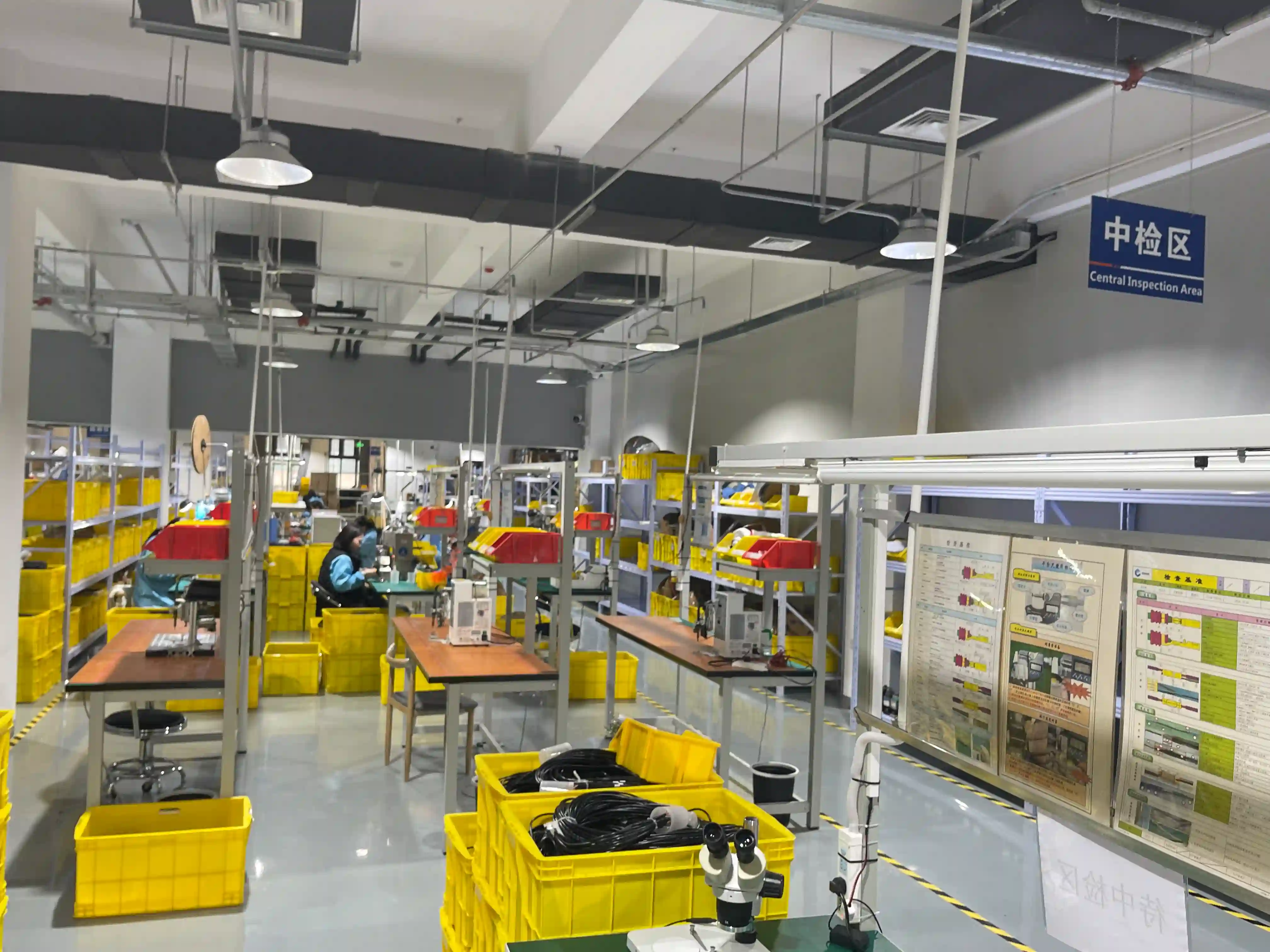
Connector assembly is only finished when the mating side works without rework
A connectorized assembly can pass continuity and still create trouble at installation if the latch is weak, the terminal is not fully seated, or similar keyed variants are packed together. That is why we connect crimp control, test coverage, label and packout rules, and where needed strain relief or sealing support into one connector assembly route.
Buyers replacing an inconsistent supplier usually need documentation as much as labor. Cavity charts, approved terminals, lock-device checks, and packout definitions reduce the chance that one acceptable sample turns into recurring field variation. That is also why programs often pair this capability with production-ready cable assembly or a wider custom wire harness launch.
"Connector failures rarely start with one dramatic mistake. They start with small uncontrolled steps such as partial seating, variant mix-ups, or lock devices treated like optional extras."OurPCB Engineering Team
Connector Assembly Workflow
This workflow is written for buyers comparing manufacturing partners, not as a generic educational summary.
RFQ and Connector Risk Review
We review connector family, cavity count, seals, keying, tooling availability, service environment, and test expectations before quoting the build path.
Termination and Cavity Definition
Crimp settings, strip dimensions, seal orientation, cavity maps, and any TPA or CPA rules are tied to the released connector package.
Sample Build and Seating Checks
A controlled sample or first article confirms terminal retention, cavity loading, latch engagement, and any mating or fit checks needed for approval.
Inspection and Electrical Verification
Visual inspection, pinout confirmation, continuity, and pull-force or hipot checks are executed according to the connector risk and program requirements.
Packaging and Variant Control
Protective caps, labels, serialization, and variant separation are finalized so similar connectors do not create receiving or installation mistakes.
Repeat Production Release
Approved connector builds move into repeat manufacturing with revision control, traceability, and controlled packout for recurring orders.
When Buyers Usually Need This
The strongest fit is when connector reliability is a sourcing issue, not just a bench-assembly detail.
You have recurring connector mis-pin or seating issues
This service fits programs where the electrical design is stable but connector loading mistakes or incomplete assurance-lock engagement keep causing escapes.
You are transferring a harness to a second source
Second-source connector transfer only works when cavity maps, approved terminals, seals, and lock devices are translated into build instructions instead of copied by sample appearance alone.
Your harness uses several connector families in one build
Mixed Molex, TE, JST, sealed automotive, and circular interfaces create assembly risk that deserves its own connector-control workflow, not just a generic crimping line item.
Field reliability depends on retention and sealing
If vibration, fluids, or repeated service cycles matter, connector assembly quality becomes a buying decision because weak seating or seal placement fails long before the wire itself does.
What We Inspect During Connector Assembly
Inspection is tied to the connector family and program risk, but these are the checks buyers most often ask us to hold.
Terminal seating depth and retention
Seal orientation and compression
TPA, CPA, or wedgelock engagement
Pinout and cavity map accuracy
Latch integrity and keying code
Wire color and circuit identification
Connector face protection before shipment
Variant separation for similar housings
Send the connector package before mis-pins turn into line-down problems
If your program depends on correct cavity loading, retention locks, and installation-ready packout, send the connector part list, pinout, wire spec, and forecast volume. We will review the assembly risk before quoting the production route.
Request Connector Assembly QuoteConnector Assembly FAQ
The service covers the connector-specific steps inside a cable or wire harness build: terminal crimping, seal insertion, cavity loading, terminal seating, TPA or CPA engagement, pinout verification, visual inspection, and packout controls. It is meant for buyers who need connector assembly to stay stable in repeat production, not just one acceptable sample.
We support common connector systems used in wire harness and cable assembly work, including TE Connectivity, Molex, JST, sealed automotive connectors, industrial circular connectors, power connectors, IDC styles, and mixed multi-connector harness builds. The right fit depends on released part numbers, tooling access, and the validation requirements tied to your program.
We use released cavity maps, seating checks, visual inspection, and electrical verification rather than relying on operator memory. For higher-risk builds we add mating checks, pull-force sampling, and first article review so partial insertion or incorrect cavity loading is caught before shipment.
Yes. We handle sealed connector builds that require wire seals, wedgelocks, TPA devices, CPA devices, and retention checks. Those assurance features are treated as controlled assembly steps because incomplete engagement is a common root cause of field failures in automotive and industrial equipment.
The fastest quote includes the connector and terminal part numbers, seal definitions if used, cavity map or pinout table, wire specification, annual volume, required tests, and packaging or labeling instructions. Photos help, but the released connector data is what reduces quoting risk.
Crimping controls the contact-to-wire termination. Connector assembly adds the housing-specific work that happens after the crimp: cavity loading, orientation, lock engagement, sealing, retention, mating checks, labeling, and packout. Many field failures happen in that second stage, which is why buyers often need it called out as a separate capability.
Related Capability Pages
Wire Crimping
Use this when terminal attachment quality is the main buying concern.
CapabilityTesting Capabilities
Use this when electrical verification and validation scope drive the supplier choice.
ServiceCustom Wire Harness
For branch-heavy wire harness programs that also need controlled connector loading.
ServiceCustom Cable Assembly
For cable-centric builds that still need connector family control and pinout validation.
BlogHow to Depin a Connector
Useful reference on connector locks, release features, and service handling risk.
BlogTop 10 Quality Inspection Points
See the inspection checklist that protects against connector assembly escapes.
Real Project Experience
How we've handled similar wire harness and cable assembly projects
See de-identified project scenarios — supplier qualification, connector-shortage recovery, lead-time compression, and engineering spec lockdown — drawn from real production records.
Need Stable Connector Assembly Across Prototype and Production?
Share your connector family, cavity map, wire list, and test expectations. We will review the assembly route, inspection points, and production risks before quoting.