Wiring Harness Manufacturers Australia
We support Australia buyers sourcing custom wiring harnesses and cable assemblies with DFM review, controlled crimping, electrical testing, and a repeatable China or Philippines production route.
Australia buyers usually need a harness supplier that can hold the approved build, not just quote the first sample
Buyers searching for wiring harness manufacturers in Australia are usually trying to solve a commercial sourcing problem, not a classroom question. They need a supplier that can take a released drawing, BOM, connector set, label logic, and test plan and turn that package into repeatable output. The overlap with custom wire harness and cable harness manufacturing service is real, but the buying intent here is more specific: who can support Australian programs with stable production discipline and clear communication.
Our process is grounded in public quality references such as ISO 9001, workmanship expectations associated with IPC, and electrical safety and standards frameworks shaped by the International Electrotechnical Commission. The practical point is simple: the quote should expose part definition, test coverage, and packout rules early enough that the approved lot and the reorder lot still match.
OurPCB Engineering Team frames the risk directly: "Australia buyers are often managing long supply lines, so a harness that ships late or arrives with unclear labels costs more than the piece price. The real value is a controlled release path that protects the next order as much as the first one."

What This Capability Controls
This page is written for commercial buyers comparing suppliers, so the important question is how the harness stays stable after sample approval.
Built for Australian OEM and Industrial Buyers
We support buyers who need custom harnesses shipped into Australia for equipment manufacturing, service kits, pilot builds, and repeat production.
DFM Before Material Commitment
Drawings, wire lists, connector families, strain relief, labels, and approved alternates are reviewed before the build is released to production.
Controlled Termination Process
Cutting, stripping, crimping, splicing, soldering where specified, tubing, and overmold coordination are documented so approved lots do not drift.
Inspection Matched to Program Risk
Continuity, pinout, pull force, visual inspection, hipot, and first article checks can be defined against the released harness package.
Supply Route Flexibility
Programs can launch through China for speed or transition into the Philippines when tariff strategy, volume planning, or replenishment discipline matters.
Shipment-Ready Output
Harnesses can be labeled, kitted, bagged, serialized, and packed for receiving teams that want installation-ready assemblies instead of mixed loose parts.
Production Controls for Australia Supply
These are the points that separate a repeatable harness supplier from a shop that can only produce one acceptable sample.
| Checkpoint | Common Failure | Our Control |
|---|---|---|
| Part definition | The quote is based on generic notes like sealed 4-pin connector or 20 AWG wire, which leaves too much room for substitutions across lots. | We lock exact connector, terminal, seal, wire, sleeve, and label requirements before release, with approved alternates listed explicitly when they exist. |
| Termination quality | A prototype fits once, but crimp height, strip length, conductor brush, or seal position are still uncontrolled in repeat production. | Tooling, strip dimensions, pull-force checks, orientation checks, and operator work instructions are tied to the released harness revision. |
| Electrical verification | Continuity is checked informally, but shorts, mis-pins, shield issues, or insulation defects are not linked to a defined acceptance plan. | We convert the drawing into continuity, pinout, hipot, insulation resistance, or functional checks according to application risk and released requirements. |
| Packout for long-distance supply | Assemblies pass inspection but arrive with unclear labels, damaged branches, or no sequence logic for receiving and installation teams. | Protective caps, labels, bags, carton quantity, kit grouping, and shipment release rules are fixed before dispatch so the harness remains installation-ready. |
First article review matters because production stability is learned, not assumed. Public background on first article inspection reflects the same broader manufacturing principle.
Technical Scope and Limits
This offer is for custom harness and cable programs shipping into Australia. It is not a generic manufacturing catch-all page.
Best-fit programs
Automotive subassemblies, industrial control harnesses, medical device cables, heavy equipment looms, and custom cable-and-wire assemblies shipping into Australia.
Typical input package
Released drawing, BOM, wire list, connector and terminal part numbers, pinout table, annual volume, test requirements, and packaging rules.
Supported processes
Cutting, stripping, crimping, splicing, soldering where specified, heat shrink, labels, shielding, braiding, overmold support, testing, and packaging.
Quality framework
ISO 9001 quality controls, IPC workmanship alignment, and support for automotive or medical documentation where the program requires it.
Regional fit
Buyers in Australia and New Zealand looking for offshore manufacturing with English-language commercial support, controlled documentation, and repeat-order stability.
Out of scope
PCB fabrication, SMT assembly, undocumented redesigns, silent connector substitutions, and on-site electrical installation work.
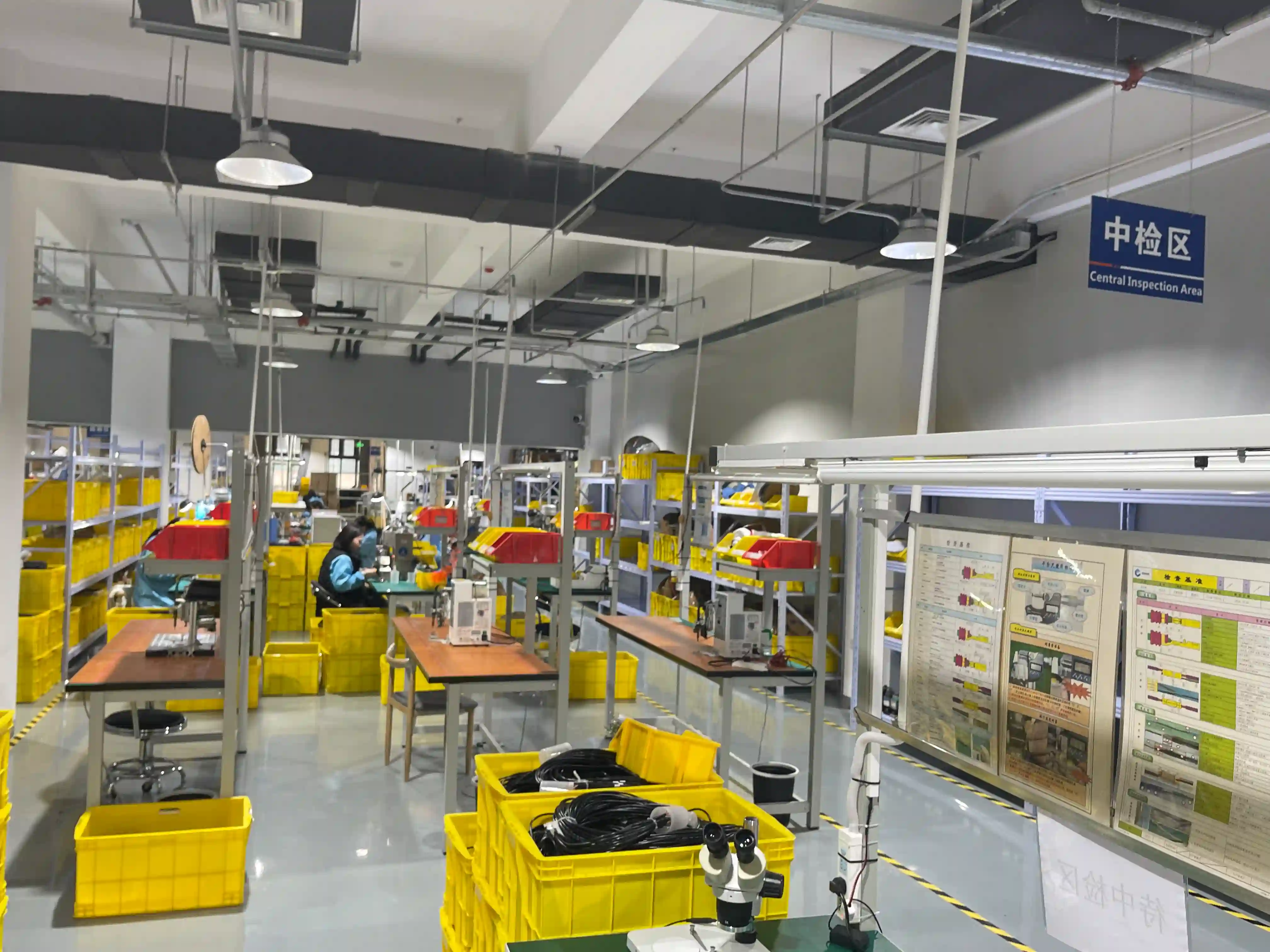
The harness is only finished when the receiving team can install it without guesswork
Long-distance supply magnifies small process mistakes. A harness that passes continuity but arrives with weak labels, mixed variants, or poor branch protection still creates cost on the customer side. That is why we connect crimp control, test coverage, packaging rules, and where needed strain relief support into one released route.
Buyers shifting work from a weak incumbent usually need documentation discipline as much as labor. Approved alternates, cavity definitions, test limits, and packout instructions reduce the chance that one good sample becomes a poor reorder. That is also why many teams pair this page with production-ready cable assembly or OEM wire harness discussions once the program moves past supplier selection.
"Distance does not create harness failures. Uncontrolled details do. Distance only makes those failures more expensive to recover."OurPCB Engineering Team
Wiring Harness Supply Workflow
This process is written for commercial buyers comparing suppliers, not as a generic educational overview.
RFQ and Program Review
We review the harness package, target annual volume, delivery plan, and documentation gaps before quoting the real production route.
DFM and Material Closure
Connector availability, terminal tooling, wire specification, branch breakout, shielding, labels, and packaging are closed before material buys start.
Sample or First Article Build
A controlled prototype or pilot lot proves the released route with production-intent tooling, work instructions, and inspection points.
Testing and Approval
The approval package can include continuity data, pinout confirmation, photos, pull-force results, dimensional checks, and first article records.
Supply Route Planning
We align the build with China or Philippines production based on speed, replenishment cadence, tariff considerations, and recurring demand.
Repeat Production and Shipping
Approved harnesses move into repeatable manufacturing with revision control, lot traceability, and packaging rules matched to receiving requirements.
When This Page Is the Right Fit
Common sourcing situations where this capability applies.
You need an offshore supplier that still communicates clearly with Australia teams
This page fits buyers who want production scale and cost control without accepting vague RFQs, silent substitutions, or unclear engineering ownership.
You are replacing an inconsistent incumbent supplier
We compare the sample, drawing, BOM, and test requirements before copying a problem into a second source.
Prototype approval is done, but production discipline is not
If the first samples worked but the next 500 or 5,000 units still risk label drift, crimp variation, or weak packaging control, this is the right buying path.
Your program needs Australia delivery planning, not just bench assembly
For buyers importing into Australia, packout, release timing, and documentation have to be defined early so receiving teams are not solving preventable supplier mistakes.
Wiring Harness Manufacturers Australia FAQ
Yes. We supply custom wire harnesses and cable assemblies for customers buying into Australia and New Zealand. The focus is not only on building the harness itself, but on controlling drawings, approved materials, electrical test requirements, labels, and packaging so repeat orders stay stable after the first article is approved.
Typical programs include automotive subassemblies, industrial control harnesses, equipment looms, shielded cable sets, waterproof cable assemblies, medical device cables, and service kits for machinery or field-installed systems. The best fit is a custom build with released part numbers and a defined test plan rather than a catalog wire set.
The fastest quote includes the latest drawing revision, BOM, wire list, connector and terminal part numbers, pinout table, expected quantities, target delivery timing, test requirements, and packaging instructions. Sample photos help, but the controlled part list is what reduces quotation and production risk.
Yes. We support prototype builds, pilot lots, and repeat production without a forced MOQ. The difference is that repeat production requires a stable drawing, BOM, test plan, and packaging method so the approved first article becomes a controlled manufacturing route instead of a one-off sample.
Quality starts with the released harness definition, then moves through controlled cutting, stripping, crimping, connector loading, test coverage, inspection records, and packout rules. Most programs rely on ISO 9001 quality controls and workmanship expectations associated with IPC, with additional customer-specific requirements for automotive, medical, or industrial applications.
Yes. Supplier transfer work is common. We compare drawings, samples, approved alternates, and test requirements before release so the second source does not inherit undocumented issues such as weak retention, incorrect labels, or unstable packaging definitions.
Related Pages
Cable Harness Manufacturing Service
For broader custom harness programs that need controlled DFM and repeat production planning.
CapabilityRush Wire Harness Assembly
Use this when the main buying pressure is urgent recovery or pilot-lot timing.
ServiceOEM Wire Harness
For OEM partnership language, contract manufacturing, and formal supplier selection.
ServiceCustom Wire Harness
For branch-heavy harness programs that need a broader application page rather than a market-focused capability page.
BlogWire Harness RFQ Guide
Use this checklist to send the right files before quotation and first-article review.
BlogWire Harness Manufacturing Process Guide
See the production workflow buyers should expect from a qualified harness supplier.
Need a stable wiring harness supplier for Australia deliveries?
Send the drawing, BOM, annual volume, and test requirements. We will review the build path, highlight sourcing or production risks early, and recommend the right prototype or repeat-production route.
Real Project Experience
How we've handled similar wire harness and cable assembly projects
See de-identified project scenarios — supplier qualification, connector-shortage recovery, lead-time compression, and engineering spec lockdown — drawn from real production records.
Ready to Quote Your Harness Program?
Share your drawing package and target schedule. We will review manufacturability, test scope, and the right production route for your program.