A wire harness without proper labeling is a ticking time bomb. It works fine on day one. But six months later, when a technician needs to trace a fault through 200 wires bundled inside a machine chassis, every unlabeled wire becomes a guess—and every guess costs time, money, and potentially safety.
Wire harness labeling is one of the most overlooked aspects of cable assembly design, yet it directly impacts manufacturing efficiency, field serviceability, regulatory compliance, and total cost of ownership. A mislabeled or unlabeled harness doesn't just slow down maintenance—it can trigger costly recalls. In one documented case, 313,000 commercial trucks were investigated because improperly identified engine wiring harnesses led to diagnostic failures and sudden engine shutdowns.
This guide covers everything you need to know about wire harness labeling: the six primary marking methods, which standards apply to your industry, how to specify labeling in your RFQ documentation, and the cost trade-offs between each approach. Whether you're designing harnesses for automotive, aerospace, medical, or industrial applications, the right labeling strategy will save your team hours of troubleshooting and keep you compliant with applicable standards.
Labeling should be specified during DFM rather than added as an afterthought. Clear, durable identification reduces troubleshooting time and helps technicians complete repairs without tracing every circuit manually.
Why Wire Harness Labeling Matters
Wire harness labeling serves three critical functions that go far beyond simple identification. Understanding these helps justify the cost and engineering effort required to implement a proper labeling system.
Safety & Compliance
Mislabeled wires in aircraft, medical devices, and automotive systems can cause catastrophic failures. Aviation wiring system failures frequently arise from mislabeling, causing signal interference, power failures, or incorrect system responses. Every regulated industry requires wire identification as part of its safety framework.
- Prevents incorrect wire connections during installation
- Enables rapid fault isolation in safety-critical systems
- Required by UL, CSA, and CE regulatory frameworks
Traceability & Maintenance
Proper labeling creates a physical map of every wire in a harness, enabling technicians to identify circuits without consulting drawings. This reduces average troubleshooting time by 25% or more and supports lifecycle traceability from raw material to end-of-life disposal.
- Batch and lot traceability for recall management
- Reduces field service call duration significantly
- Supports predictive maintenance programs
Manufacturing Efficiency
During production, clear wire identification prevents assembly errors, reduces rework rates, and speeds up IPC/WHMA-A-620 quality inspections. Integrated labeling at the wire cutting stage eliminates a separate manual labeling step entirely.
- Prevents mis-wiring during assembly board routing
- Speeds incoming inspection at customer facilities
- Enables automated continuity test fixture setup
6 Wire Harness Labeling Methods Compared
Each labeling method has distinct advantages for different environments, budgets, and durability requirements. Here's a detailed comparison of the six most common approaches used in professional cable assembly manufacturing.
1. Heat Shrink Sleeve Labels
Thermal transfer printed heat shrink sleeves are the gold standard for professional wire harness labeling. Text, barcodes, or QR codes are printed onto a roll of heat shrink tubing using a thermal transfer printer, then cut to length, slid over the wire, and shrunk with a heat gun. For maximum durability, the printed sleeve is often covered with a clear heat shrink layer.
Advantages
- Permanent, won't peel or slide
- Excellent chemical and abrasion resistance
- Wide temperature range (−55°C to +135°C typical)
- Supports barcodes and QR codes
Limitations
- Must be installed before connectors are terminated
- Higher per-label cost ($0.15–$0.50 each)
- Requires dedicated thermal transfer printer
2. Self-Laminating Wrap-Around Labels
Self-laminating labels feature a printable area and a clear laminating tail that wraps around the wire, protecting the printed text beneath a transparent overlay. They can be applied after termination, making them the most versatile option for retrofit and field labeling. Common materials include polyester, vinyl, and polyolefin.
Advantages
- Can be applied after connector termination
- Clear laminate protects print from smearing
- Printable on standard laser or thermal printers
Limitations
- Adhesive can fail in high-heat or oily environments
- Label materials have memory and may peel on small wires
- Less durable than heat shrink in harsh environments
3. Cable Flag Labels
Flag labels wrap around the wire with excess material extending outward like a flag, providing a larger print area for multiple lines of data, barcodes, or diagrams. They're ideal for dense harnesses where labels need to be visible without moving wires apart.
Advantages
- Large print area for detailed information
- Easy to read in tight spaces
- Can accommodate barcode and QR code scanning
Limitations
- Less durable—flag portion can snag or tear
- Not suitable for high-vibration or movement areas
- Adds bulk to harness cross-section
4. Laser Marking / Hot Stamping
Laser marking and hot stamping embed identification directly into the wire insulation surface. Laser systems use controlled energy to create permanent marks on PVC, Teflon, or cross-linked polyethylene jackets. Hot stamping presses heated type into the insulation, creating an embossed impression filled with ink.
Advantages
- Permanent—cannot be rubbed or peeled off
- No added bulk to wire diameter
- Extremely high throughput for production volumes
- Lowest per-wire cost at scale ($0.03–$0.10)
Limitations
- High capital equipment cost ($15K–$80K+)
- Limited to text and simple codes—no barcodes
- Must be applied at wire cutting stage
5. Inkjet Printing on Wire
Industrial inkjet systems print directly onto wire insulation during the cutting process. Modern UV-cured inks provide excellent adhesion and durability on most insulation materials. This method integrates seamlessly with automated wire processing equipment.
Advantages
- Integrates with wire cutting/stripping machines
- No added bulk—flush with insulation surface
- Variable data printing (each wire different)
Limitations
- Ink adhesion varies by insulation material
- May smear on silicone or oil-resistant jackets
- Print legibility limited on dark-colored insulation
6. Color Coding (Wire Insulation)
Color coding uses the wire insulation color itself as the identification method. While not technically "labeling," it's the most fundamental form of wire identification. Standards like IEC 60446 and NEC Article 200 define color meanings for power, ground, neutral, and signal wires.
Advantages
- No additional label cost or process step
- Instantly visible—no reading required
- Universally understood in electrical trades
Limitations
- Limited to ~15 distinct colors before confusion
- Cannot encode serial numbers, barcodes, or batch data
- Insufficient alone for complex harnesses (50+ wires)
Labeling Method Comparison Table
| Method | Durability | Cost/Label | Temp Range | Barcode Support | Best For |
|---|---|---|---|---|---|
| Heat Shrink Sleeves | Excellent | $0.15–$0.50 | −55°C to +135°C | Yes | Aerospace, military, harsh environments |
| Self-Laminating Labels | Good | $0.05–$0.20 | −40°C to +100°C | Yes | Commercial, data centers, retrofit |
| Cable Flag Labels | Moderate | $0.08–$0.25 | −40°C to +80°C | Yes | Patch panels, network cabling, low-vibration |
| Laser Marking | Permanent | $0.03–$0.10 | Wire insulation rated | Limited | High-volume automotive, appliance |
| Inkjet Printing | Good | $0.03–$0.08 | Wire insulation rated | Basic | Automated production, wire processing |
| Color Coding Only | Inherent | $0 (built-in) | Wire insulation rated | No | Simple harnesses (<15 wires) |
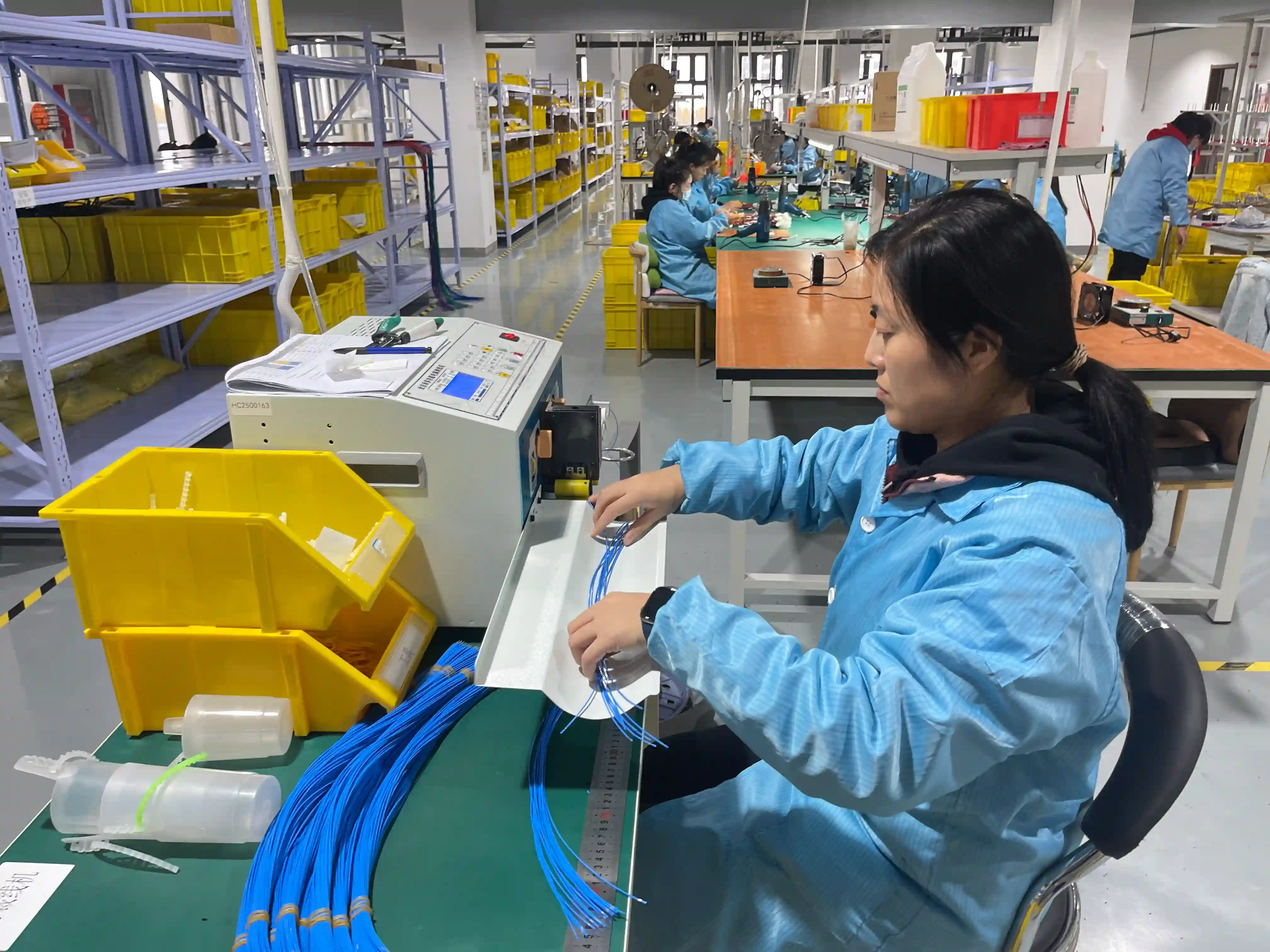
Heat-shrink sleeves with a clear overcoat are a durable choice for many industrial and automotive applications because they resist heat, hydraulic fluid, vibration, and UV exposure better than common adhesive labels.
Wire Marking Standards by Industry
Different industries mandate different labeling standards. Specifying the wrong standard—or none at all—is a common mistake that can result in rejected product, rework, or compliance violations. Here are the key standards you need to know.
| Standard | Industry | Key Requirements | Marking Focus |
|---|---|---|---|
| UL 969 | General / Commercial | Label durability testing: adhesion, temperature, humidity, UV, chemical resistance | Label material qualification |
| MIL-STD-130 | Military / Defense | Unique Item Identifier (UID) with 2D Data Matrix, items over $5,000 must comply | Traceability & asset tracking |
| SAE AS50881 | Aerospace / Aviation | Wire identification in military and commercial aircraft, marking legibility requirements | Wire ID in aircraft harnesses |
| SAE AS5649 | Aerospace / Defense | Markings must remain legible under high temperatures and harsh chemical exposure | Wire & cable bundle ID |
| IPC/WHMA-A-620 | All Industries | Workmanship standard for cable/wire harness assemblies including marking requirements | Overall workmanship quality |
| IEC 62491 | Industrial / European | Cable and conductor labeling for industrial installations, designation systems | Cable identification designations |
Don't Assume Color Coding Alone Is Sufficient
A common misconception is that color-coded wire insulation provides adequate identification. For simple harnesses with fewer than 15 wires, color coding can work as a primary ID method. But for complex assemblies—especially those with 50+ wires—color coding alone is insufficient. You simply run out of distinguishable colors, and color perception varies between individuals. Standards like SAE AS50881 and IPC/WHMA-A-620 require alphanumeric wire identification in addition to color coding for any harness above a basic complexity level.
Wire Harness Labeling Best Practices
Following these best practices ensures your labels survive the harness's full service life, support efficient manufacturing, and meet your customers' expectations.
Label Placement Rules
- Place labels within 50mm (2 inches) of each connector or breakout point
- Label both ends of every wire or cable in multi-branch harnesses
- Orient labels so text reads consistently (left-to-right, bottom-to-top)
- Avoid placing labels in areas subject to bending, chafing, or clamping
- Position labels visible from the service access side of the equipment
Label Content Recommendations
- Wire designation (circuit ID or functional name)
- From/to connector references for end-to-end traceability
- Wire gauge (AWG) and color code for verification
- Harness part number and revision level
- Date code or lot number for batch traceability
Integrated vs. Post-Assembly Labeling
The most efficient approach is to integrate labeling into the wire cutting and preparation process. When wire marking happens at the cutting stage—via laser, inkjet, or pre-printed heat shrink—the labeling data comes directly from the engineering BOM, eliminating transcription errors and the manual step of applying labels post-assembly.
For harnesses that require labels after termination (retrofit, field modification, or connector-side marking), self-laminating wrap-around labels offer the best balance of readability, durability, and ease of application. Always specify the labeling method in your RFQ documentation to avoid surprises during production.
Barcode & QR Code Labeling for Wire Harnesses
Machine-readable labels are increasingly required for high-reliability and defense applications. They enable automated traceability, reduce human error in data entry, and support digital twin and MES integration. Here's what you need to know.
Code 128 / Code 39
Linear barcodes commonly used for wire harness identification. Code 39 supports alphanumeric characters and is the default for MIL-STD labeling applications. Code 128 offers higher data density. Both require a minimum label width of approximately 25mm for reliable scanning.
QR Code / Data Matrix
2D codes that encode significantly more data in a smaller space. MIL-STD-130 requires Data Matrix (ECC200) format for Unique Item Identifiers (UIDs). QR codes are preferred for commercial applications as they're scannable by standard smartphones, enabling field technicians to access wiring diagrams or maintenance logs instantly.
RFID Tags
RFID tags embedded in cable labels enable non-line-of-sight scanning and bulk reading. While expensive ($0.50–$2.00 per tag), they're invaluable for large installations where visual scanning is impractical—such as undersea cables, aircraft fuselage harnesses, or dense server room cable trays.
QR-coded harness labels can link a physical assembly to its BOM, test results, manufacture date, and operator record. This provides maintenance teams with compact, immediate access to production traceability data.
7 Common Wire Labeling Mistakes to Avoid
Using adhesive labels in engine bays or near heat sources
Fix: Use heat shrink sleeves rated for the actual operating temperature. Standard vinyl labels fail above 80°C.
Labeling only one end of the wire
Fix: Always label both ends. A single-ended label is useless when tracing from the opposite connector.
Placing labels where they’ll be covered by conduit or loom
Fix: Position labels outside of protective sleeving, between the breakout point and the connector.
Using non-UL-rated labels on UL-listed products
Fix: Specify UL 969-compliant label materials if your end product requires UL listing.
Relying on handwritten labels for production harnesses
Fix: Handwriting introduces variability and legibility issues. Use printed labels for any production volume above 5 units.
Choosing label material without testing chemical compatibility
Fix: Test label samples in the actual operating environment (oils, fuels, solvents, cleaning agents) before full production.
Specifying labels too small to read in the installed position
Fix: Minimum 6-point font for direct viewing; 8-point recommended. Consider the technician’s actual viewing distance and angle.
References & Standards
- UL 969 – Marking and Labeling Systems — Standard for label durability testing including adhesion, temperature, chemical resistance, and UV exposure.
- MIL-STD-130N – Identification Marking of U.S. Military Property — Defines Unique Item Identifier (UID) requirements for DoD assets.
- IPC/WHMA-A-620 – Requirements for Cable and Wire Harness Assemblies — Industry workmanship standard including marking and labeling criteria.
- SAE AS50881 – Wiring, Aerospace Vehicle — Sets wire identification requirements for military and commercial aircraft wiring systems.
Frequently Asked Questions
What is the most durable wire harness labeling method?
Heat shrink sleeve labels with a clear protective overcoat are the most durable option. They resist chemicals, abrasion, UV exposure, and temperature extremes from −55°C to +135°C. For absolute permanence, laser marking directly on the wire insulation cannot be removed or degraded, but it offers limited data capacity compared to printed labels. The right choice depends on your environment: heat shrink for harsh conditions, self-laminating for indoor/commercial applications.
Which labeling standard applies to automotive wire harnesses?
Automotive wire harnesses typically follow OEM-specific labeling requirements derived from IPC/WHMA-A-620 and SAE standards. UL 969 governs label material durability. For EVs, additional markings for high-voltage identification (orange coloring per IEC 60038 and SAE J1673) are mandatory. Always confirm specific requirements with your OEM customer, as automakers often have internal standards that exceed industry minimums.
Can I use color coding instead of labels for wire identification?
Color coding alone is acceptable only for very simple harnesses with fewer than 15 wires where each wire serves a distinct function (power, ground, signal, etc.). For complex harnesses, color coding should supplement—not replace—alphanumeric labeling. Most industry standards including IPC/WHMA-A-620 and SAE AS50881 require printed wire identification on any harness above basic complexity. Additionally, color perception varies between individuals, making color-only systems unreliable for maintenance.
What information should be on a wire harness label?
At minimum, every wire label should include the wire designation (circuit ID), and the from/to connector reference. For full traceability, add the harness part number, revision level, wire gauge, and date or lot code. Military applications require Unique Item Identifiers (UIDs) per MIL-STD-130. For harnesses with barcode or QR code labels, encode the serial number, part number, and batch data for machine-readable traceability.
How much does wire harness labeling cost per wire?
Labeling costs range from $0.03 to $2.00 per wire depending on the method. Inkjet printing and laser marking are the cheapest at $0.03–$0.10 per wire but require capital equipment. Self-laminating labels cost $0.05–$0.20 each with minimal equipment investment. Heat shrink sleeves run $0.15–$0.50 each. RFID-enabled labels are the most expensive at $0.50–$2.00 per tag. For most commercial applications, the total labeling cost adds 2–5% to the harness unit cost—a small price for full traceability.
Related Articles
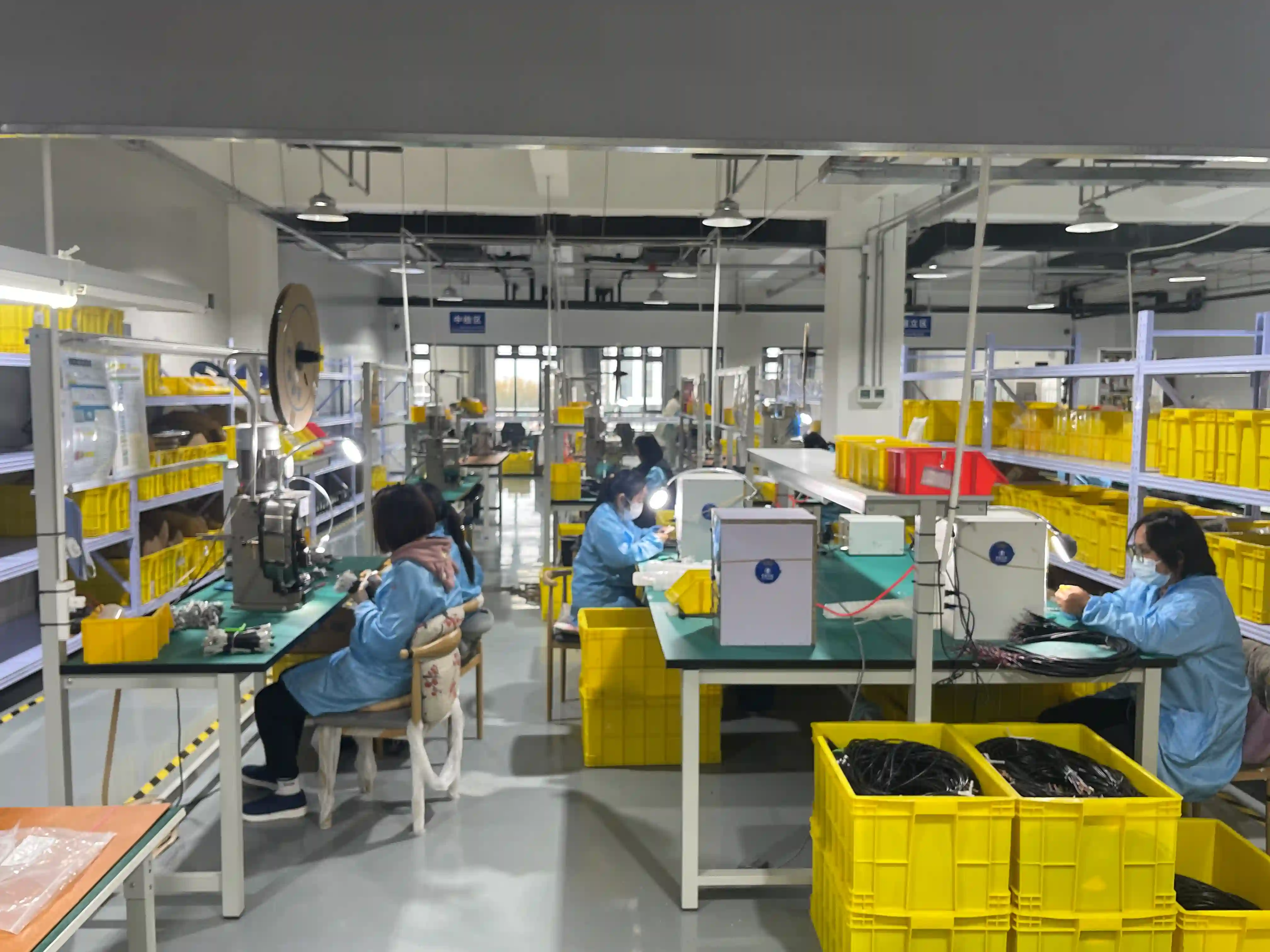
Complete Wire Harness Manufacturing Process: 12 Steps
Step-by-step production guide from wire cutting to final testing.
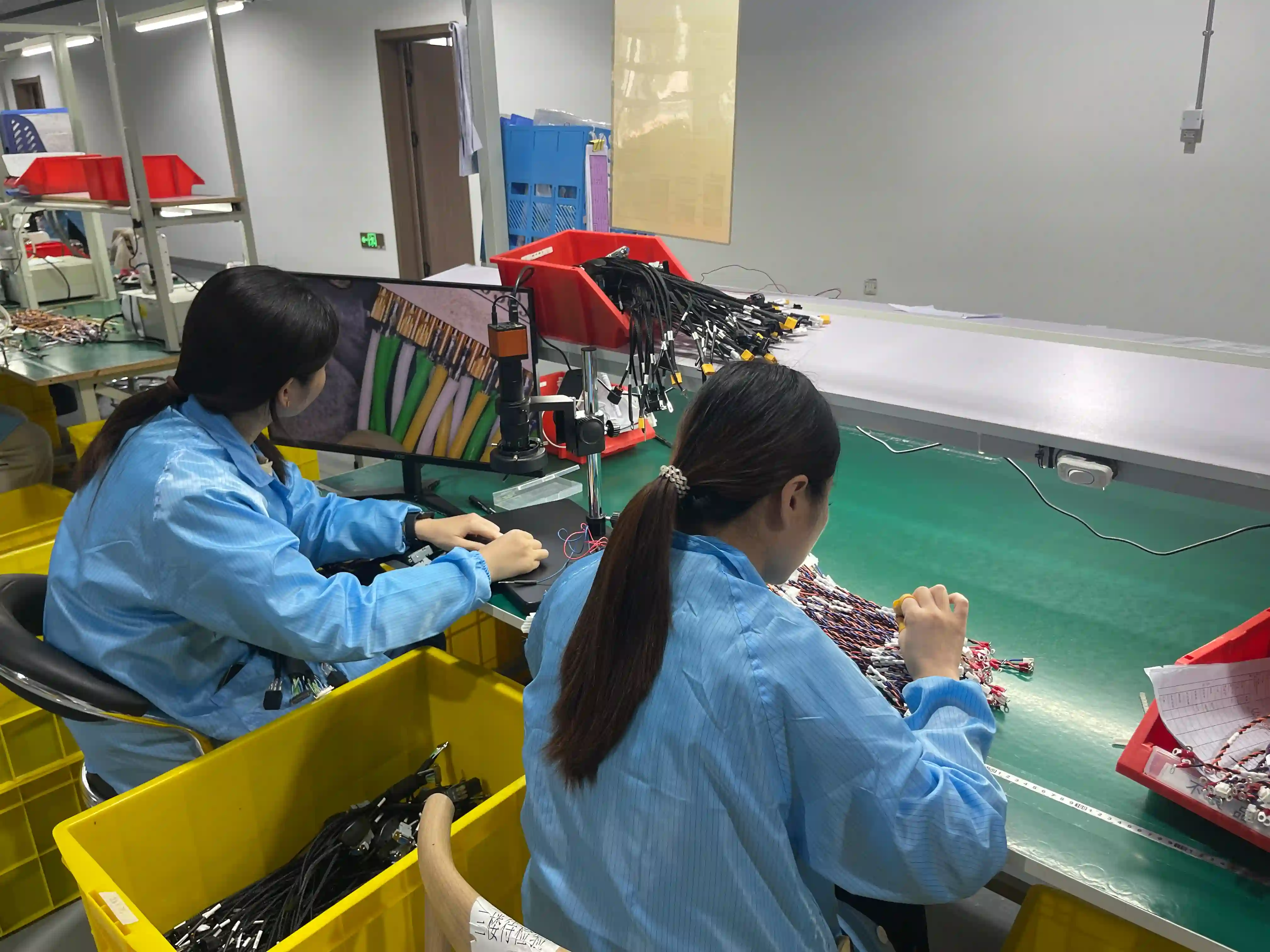
Top 10 Quality Inspection Points for Cable Assemblies
Essential quality checkpoints including labeling verification.
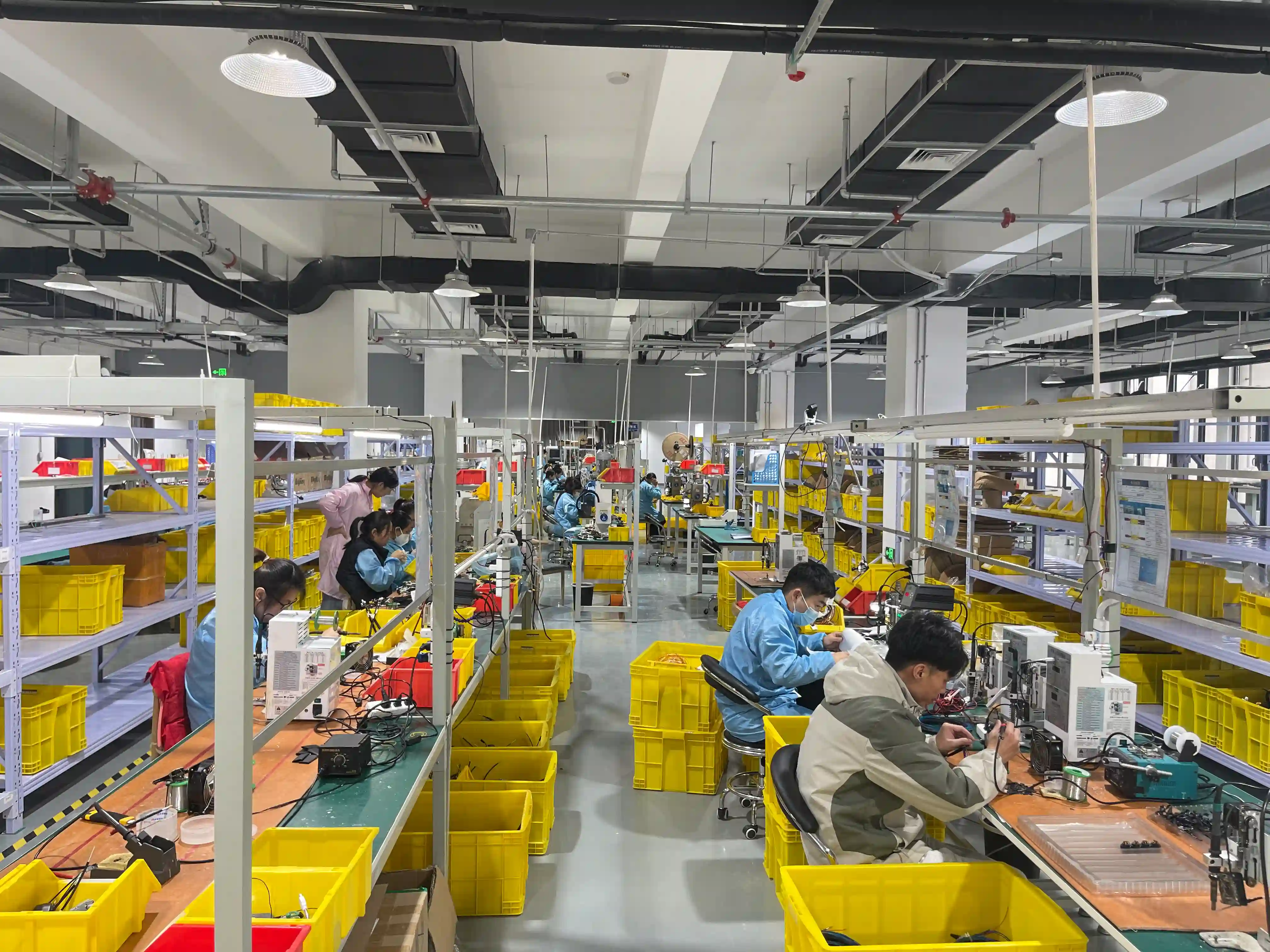
IPC/WHMA-A-620 Standards: Class 1 vs 2 vs 3
Understanding quality classes and workmanship requirements.
About the Author
OurPCB Engineering Team brings over 15 years of combined experience in wire harness design, manufacturing, and quality systems. The team specializes in labeling and traceability solutions for automotive, aerospace, and industrial cable assemblies, helping engineers select the right marking methods for their application requirements.