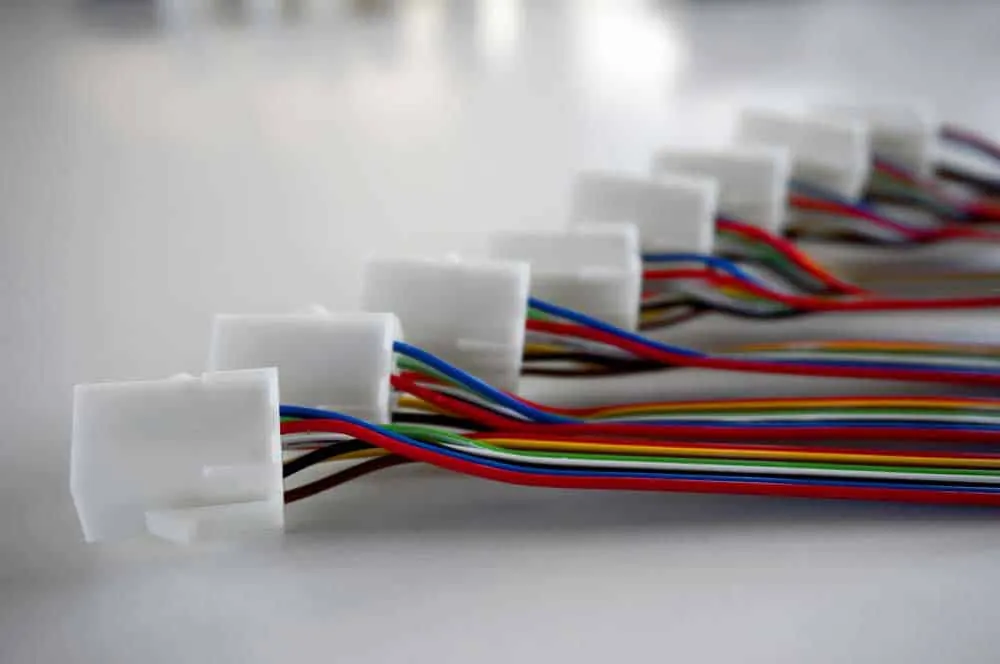
Precision and scalability in wire harness production are critical for OEMs in automotive, electric vehicle, and aerospace sectors. To meet stringent quality and volume requirements, manufacturers increasingly deploy automation across key processes—while recognizing that certain steps still demand skilled manual intervention. This article details the equipment and strategic advantages of automation for high-mix, high-volume wire harness assembly.
Automation-Ready Wire Harness Manufacturing Processes
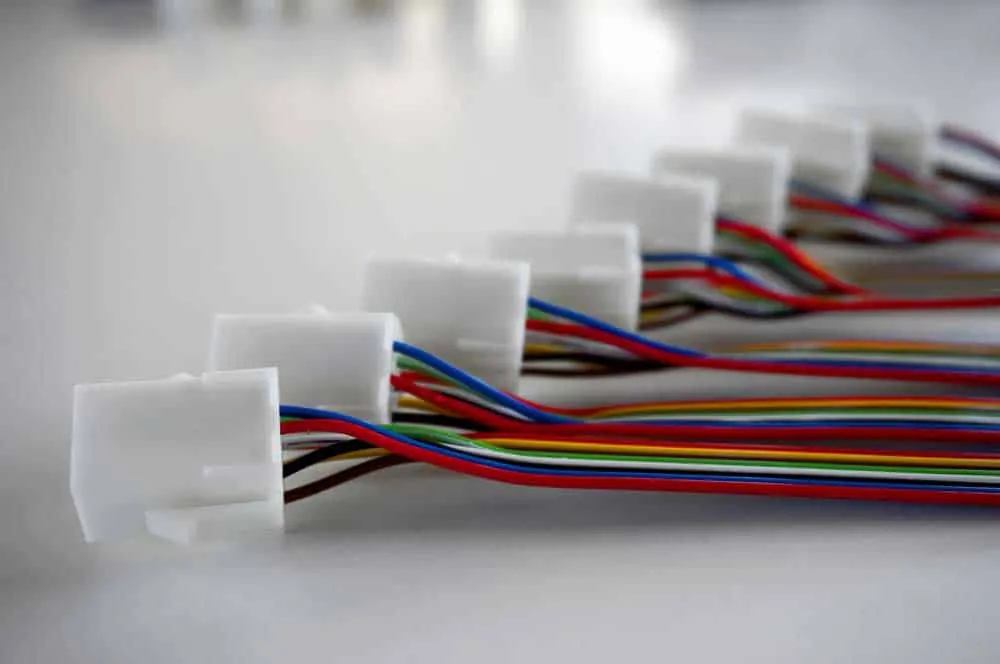
Several core tasks in wire harness fabrication are now fully automatable, enabling consistent, high-speed throughput. These include:
- Wire cutting, stripping, and splicing to precise lengths and configurations.
- Terminal crimping and automated insertion into connector housings.
- Robotic soldering and tinning of wire ends, achieving repeatable joint quality at a speed unmatched by manual operations.
Integrating these automated steps directly reduces cycle times and improves first-pass yield, critical for just-in-time OEM supply chains.
Manual Processes Still Requiring Human Expertise
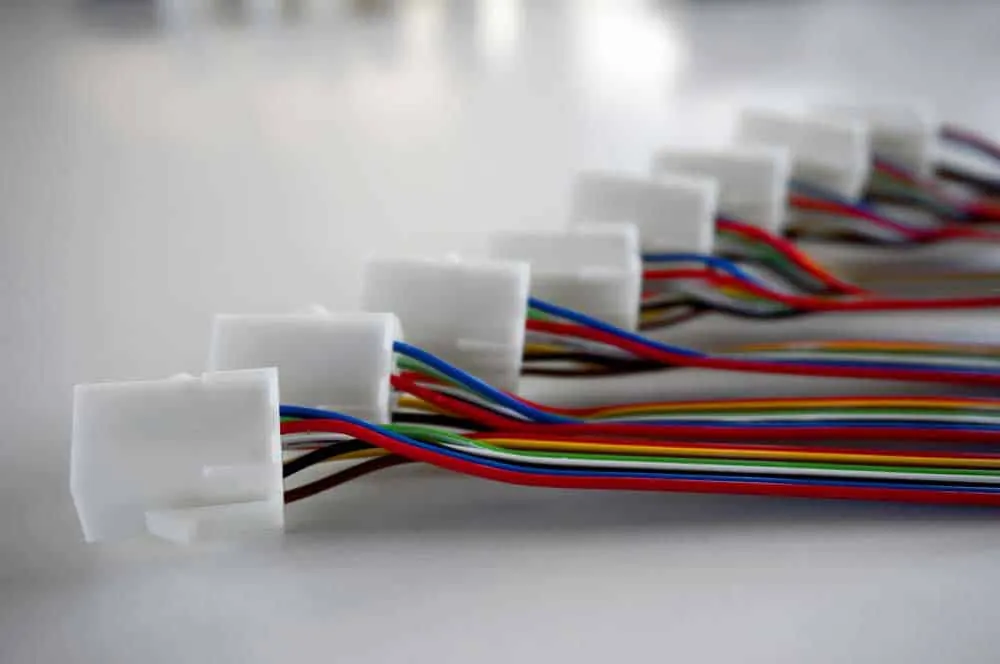
Despite advances, certain operations remain manual due to their complexity and the need for tactile feedback:
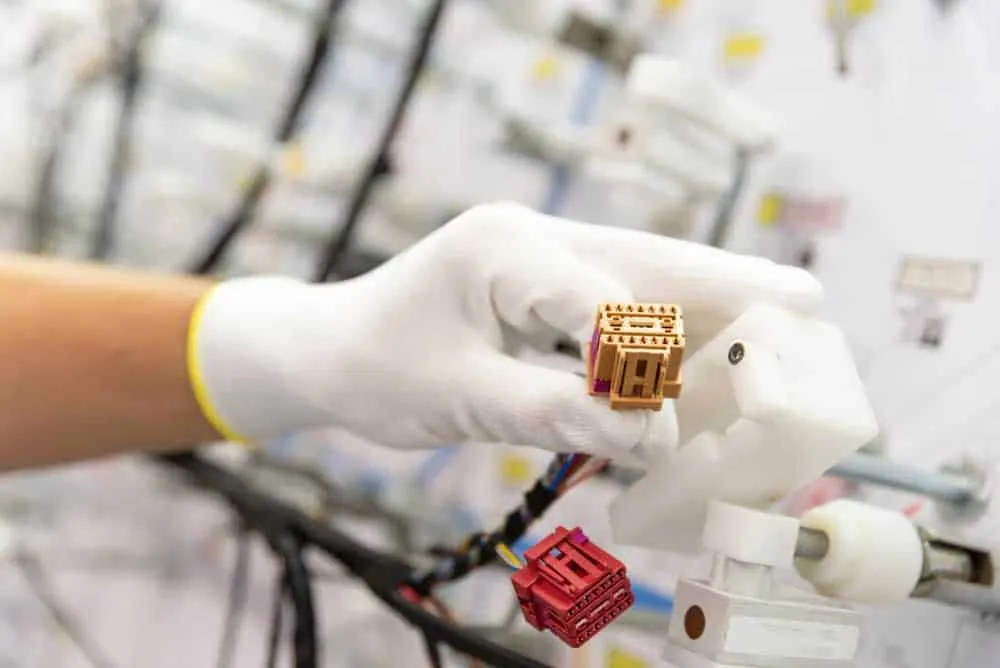
- Installing terminated wires of varying lengths into harness assemblies without damaging insulation.
- Routing cables through protective conduits and sleeves.
- Securing branch-outs with fabric tape to maintain structural integrity.
- Applying multiple crimps on a single wire where automated tooling is impractical.
- Final binding with cable ties, clamps, and tapes for strain relief and organization.
These manual tasks demand skilled technicians to ensure quality and reliability, especially for low-volume or highly customized harness builds.
Essential Automated Equipment Categories

A well-integrated production floor combines several specialized automation platforms to streamline the entire workflow.
Automated Wire Processing Machines
High-speed wire processing centers cut, strip, mark, and terminate wires in a single pass. Systems like the Komax Zeta excel at bundling and connecting operations, drastically reducing labor for repetitive prep work.
Automated Wire Testing Systems
Quality assurance is embedded with automated testers verifying connectivity, signal integrity, and impedance. Solutions such as CKT Technologies’ Harness Builder for E3.series and DeltaSigma enable scheduled, high-throughput testing, ensuring every harness meets design specs before leaving the line.
Advancements in Automated Wire Harness Assembly
Fully automating the assembly of discrete wire lengths into a finished harness remains challenging, but significant strides have been made. Machines now assist in linking wires to connectors and managing complex routing, signaling that end-to-end automation is on the horizon for many OEM applications.
Automated Printing and Labeling Solutions
Labeling is one of the most successfully automated processes, with machines accurately printing and applying identification tags. This ensures full traceability—essential for maintenance, safety compliance, and post-production audits.
Supplementary Manual Tools for Precision Work
Even in highly automated environments, hand-held crimping tools and wire splicers are needed for intricate adjustments and repairs. These complement automation, enabling flexible handling of last-mile assembly tasks that demand human dexterity.
Advantages of Automation in Wire Harness Production
Consistency and Error Mitigation
Automated systems dramatically reduce human error, ensuring repeatable precision in cutting, stripping, and crimping. Once programmed, machines perform repetitive tasks without fatigue, distraction, or drift—improving overall throughput and minimizing costly rework.
Uniform Product Quality at Scale
By applying identical process parameters across thousands of cycles, automation guarantees uniform wire lengths, strip dimensions, and crimp profiles. This consistency is vital for OEMs managing multiple product variants and high-volume orders.
Integrated Quality Control
In-line monitoring—from crimp force verification to real-time splice inspection—ensures defects are caught immediately. Automated quality gates at each phase maintain strict compliance, reducing the risk of field failures and warranty claims.
Accelerated Production Turnover
Automation boosts run capacity and enables rapid changeovers between harness designs. This agility supports OEMs in responding to fluctuating market demands without sacrificing quality or lead times.
Design for Manufacturing (DFM) and Certification Considerations
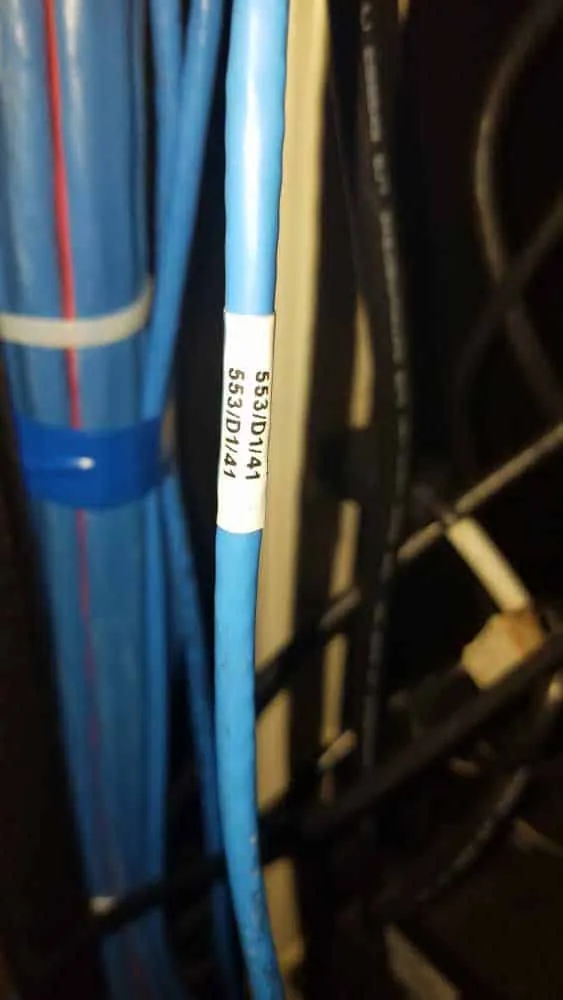
Integrating DFM principles early in wire harness development is essential to align automated production capabilities with industry certifications. For automotive and EV applications, adherence to ISO 9001 ensures a robust quality management system that meets OEM requirements for defect prevention and continuous improvement. Simultaneously, all harnesses should comply with IPC/WHMA-A-620, the de facto standard for cable and harness assembly workmanship, guaranteeing acceptable levels of soldering, crimping, and overall assembly quality.
Aerospace primes demand compliance with AS9100, which extends ISO 9001 with additional risk management and traceability controls critical for flight-critical systems. For medical device harnesses, ISO 13485 certification governs quality systems and documentation, ensuring patient safety. Partnering with a manufacturer that holds these certifications and integrates DFM audits into the design phase significantly reduces time-to-market and eliminates costly post-production non-conformances.
Incorporating these standards into automated workflows—such as automated optical inspection (AOI) that checks against IPC/WHMA-A-620 criteria—further strengthens quality assurance. OEM buyers and procurement engineers should verify that their wire harness suppliers have documented processes, validated equipment, and certified personnel to meet the specific regulatory demands of their industry.
Strategic Summary
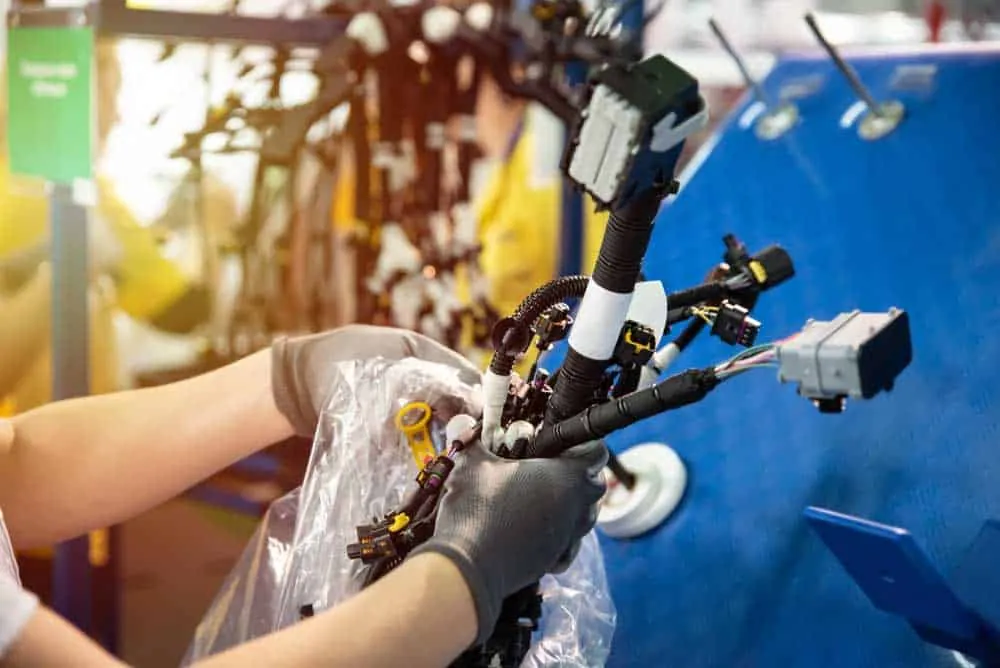
Automation in wire harness manufacturing provides OEMs with the consistency, scalability, and quality control necessary for modern production environments. While some processes still rely on skilled manual labor, the strategic deployment of automated cutting, crimping, testing, and labeling systems—combined with a strong DFM and certification foundation—ensures competitive advantage and reliable supply for automotive, EV, and aerospace programs.
An earlier version of this article first appeared on autowiringpro.com. This version has been rewritten and updated for OEM and procurement audiences.