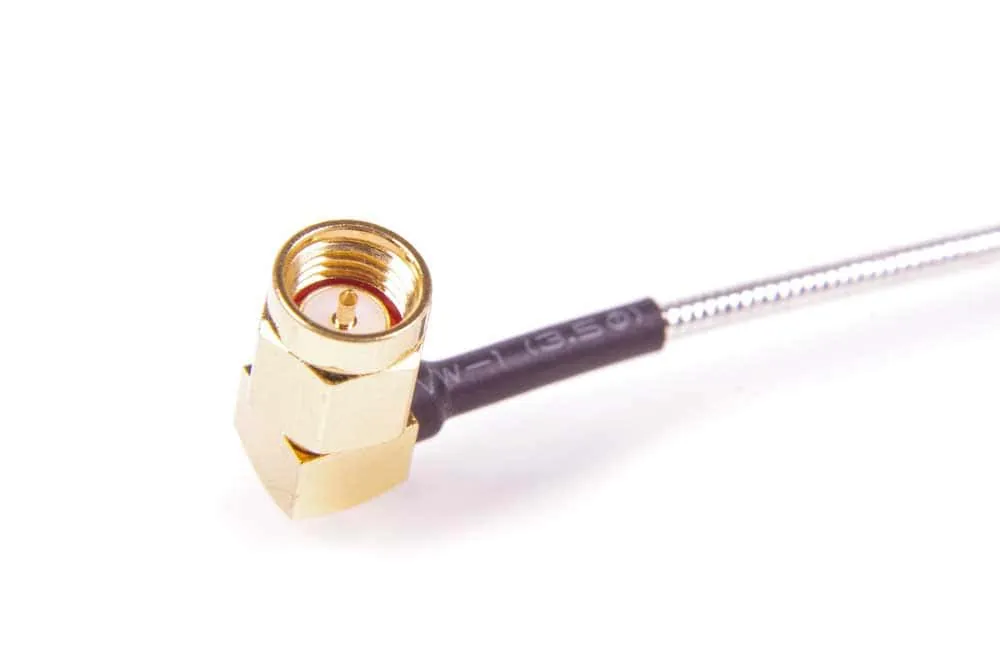
High‑precision phase‑matched cable assemblies are critical for systems requiring multiple RF channels to maintain identical electrical length, such as activated phased‑array antennas, SATCOM phased‑array feeds, and multi‑port vector network analysis. Matching cables in phase—either to an absolute standard or to each other—ensures coherent signal summation, optimal beam steering, and repeatable measurements.
Understanding Phase Matching in RF Assemblies
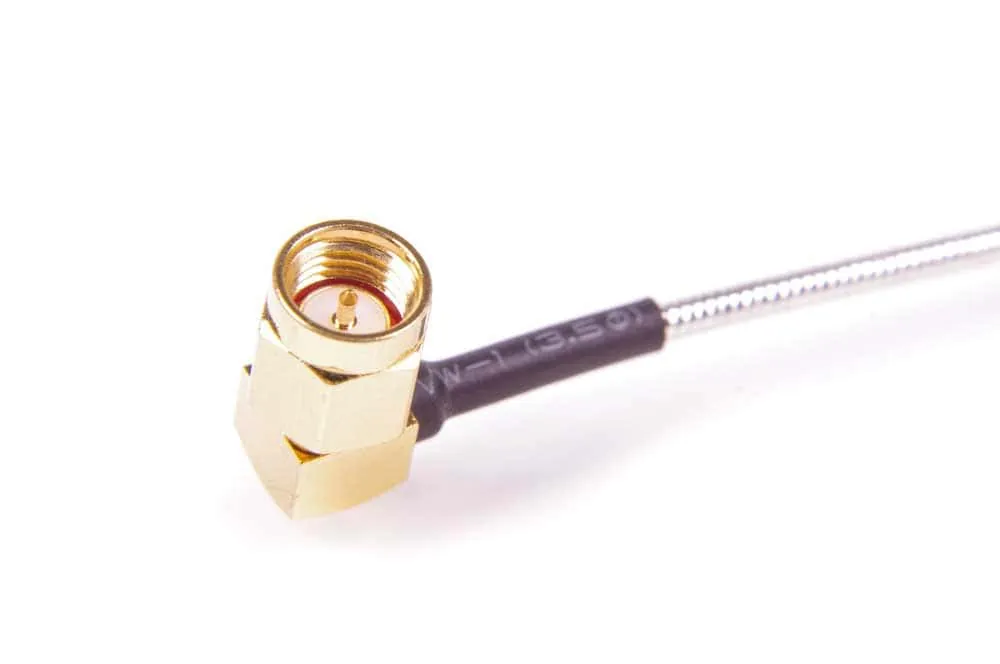
Phase‑matched cable assemblies are sets of cables engineered to exhibit the same electrical length at a specified frequency, measured in degrees of phase or picoseconds of delay. Phase matching can be defined in two ways:
Absolute vs. Relative Phase Matching
Absolute phase matching aligns each cable to a predefined electrical length—often embodied by a physical “gold standard” or a software reference. Relative phase matching ensures that all cables within a given set match each other, while cables from different sets may not necessarily match. For OEMs, relative matching is typical for phased‑array feeds, while absolute matching is common in test cables that must conform to a system calibration standard.
Key Parameters Influencing Phase Stability
Achieving tight phase tolerance requires careful control of multiple design and manufacturing variables. Our engineering teams address the following factors to guarantee phase‑matched performance:
Operating Frequency and Electrical Length
At low frequencies, the longer wavelength makes phase deviations less sensitive to small mechanical differences. In contrast, millimeter‑wave frequencies demand extreme precision because the sinusoidal peaks are tightly spaced. High‑frequency phase matching involves rigorous trimming, precision connector attachment, and time‑domain reflectometry, which increase manufacturing time but are essential for signal integrity.
Cable Construction and Dielectric Materials
Cable type fundamentally affects phase stability:
- Semi‑rigid cables (solid copper or stainless‑steel outer conductor) offer the best phase stability and shape retention, ideal for static installations.
- Semi‑flexible cables (aluminum tube outer) provide a compromise between formability and stability.
- Flexible cables (braided outer) require careful weave consistency to minimize phase variation during flexing.
Dielectric material choice is equally critical. PTFE‑based dielectrics are robust but exhibit a phase “knee” near room temperature due to molecular changes, which can cause insertion loss spikes. Air‑spaced or low‑density PTFE foams reduce insertion loss and improve thermal phase stability, though they are less mechanically rugged. For demanding avionics and space applications, we often recommend expanded PTFE (ePTFE) or silica‑based dielectrics that provide a flat phase‑versus‑temperature response.
Connector Types and Installation Effects
Mismatched connector families (e.g., mixing SMA and 2.92 mm) introduce phase offsets that must be calibrated out, a complex process. We standardize connector types within a set and use phase‑adjustable connectors or adapters where necessary. During static installation, cable routing and bend radius affect phase; in dynamic applications, flexure life and consistent bending across the set are critical. Our phase‑matching processes account for these post‑assembly effects through final electrical length verification.
Custom Phase‑Matched Solutions for OEMs
We deliver phase‑matched cable assemblies tailored to the exacting requirements of semiconductor test, military radar, satellite communications, and industrial instrumentation.
Phase Matching Methods
Our phase matching capabilities include:
- Absolute matching to a customer‑defined electrical length or golden sample.
- Relative matching within a set, achieving sub‑picosecond tolerance between cables.
- Delay matching in pairs or groups, with residual timing skew specified in picoseconds.
- Delay offset matching where one or more cables intentionally have a known offset.
Typical tolerances are ±5 picoseconds for absolute matching and <1 picosecond for relative matching, measured by precision time‑domain network analysis. For assemblies longer than 0.4 meters, stability depends on cable construction and routing; we work with your design team to define achievable specs.
Cable Styles and Dielectric Options
We manufacture assemblies using the full range of RF cable types:
- Air‑spaced PTFE
- Semi‑rigid (0.047″, 0.085″, 0.141″ and custom diameters)
- Flexible PTFE, polyethylene foam, and low‑loss variants
- Corrugated copper and aluminum options
Each style is selected based on the application’s phase, loss, thermal, and mechanical constraints.
Design for Manufacturing (DFM) and Certification Considerations
Our phase‑matched assemblies are designed with manufacturability and compliance at the forefront, ensuring that they integrate seamlessly into your platform’s certification framework. We adhere to the following standards:
For general cable and wire harness workmanship, all assemblies are built to IPC/WHMA‑A‑620 Class 3 requirements where applicable, guaranteeing high‑reliability crimping, soldering, and mechanical integrity. In automotive applications—such as electric vehicle battery monitoring and autonomous sensor arrays—our facilities are IATF 16949 certified, meeting the stringent quality management and traceability standards required by tier‑1 OEMs.
For aerospace and defense primes, AS9100 certification is typically required, encompassing risk management, configuration control, and first‑article inspection protocols. For medical device OEMs, our processes can be aligned with ISO 13485 to support regulatory submissions and device traceability. We provide full material and process certifications, along with test reports documenting phase, insertion loss, and VSWR for each assembly.
Partner with Us for Phase‑Matched Assemblies
Our combination of proprietary trimming techniques, time‑domain phase measurement, and precision connector attachment yields phase‑matched cable sets that perform reliably across temperature, flexure, and frequency. Whether you need a small batch of matched pairs for a prototype antenna or a high‑volume production run for an EV sensing array, we can accommodate your schedule and tolerance requirements. Contact our engineering team to discuss your phase‑matching specification.
An earlier version of this article first appeared on autowiringpro.com. This version has been rewritten and updated for OEM and procurement audiences.