Understanding Signal Wire Functions in Modern Vehicle Architectures
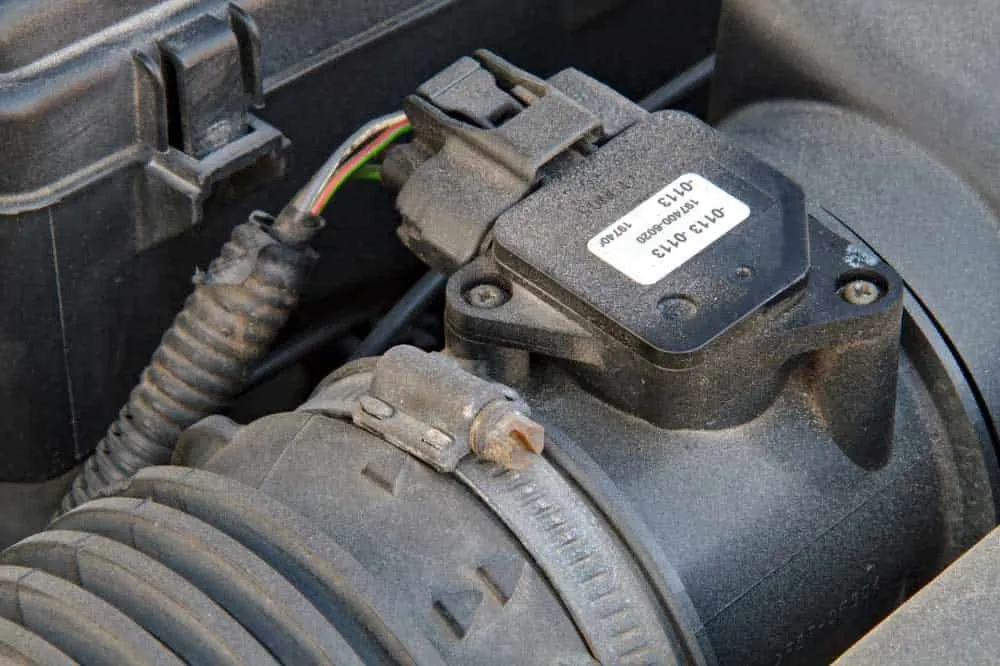
Signal conductors constitute a substantial portion—often one-third to one-half—of the total cable count within a typical wire harness, complementing power and ground distribution. These wires carry analog and digital signals essential for control, monitoring, and infotainment across automotive and aerospace platforms.
Sensor Signal Pathways
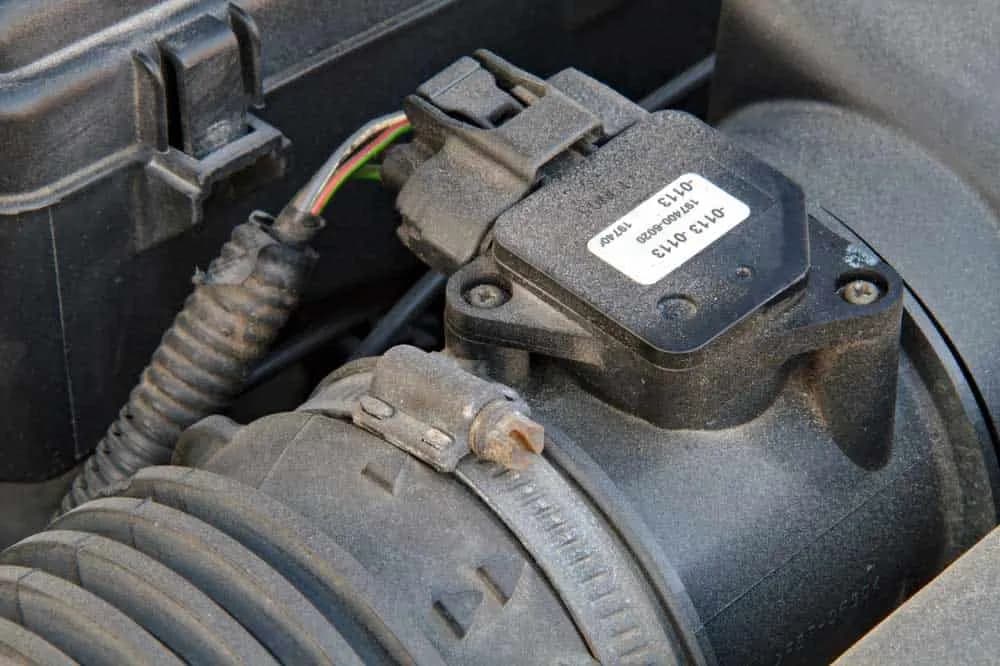
Vehicle systems rely on a dense network of sensors for engine management, transmission control, and safety functions. The harnesses linking these sensors to electronic control units (ECUs) must deliver low-latency, noise-immune signal paths. Whether transmitting a 0–5V analog reading or a pulse-width modulated (PWM) digital stream, these signal wires demand robust shielding and precision termination.
Audio Signal Distribution
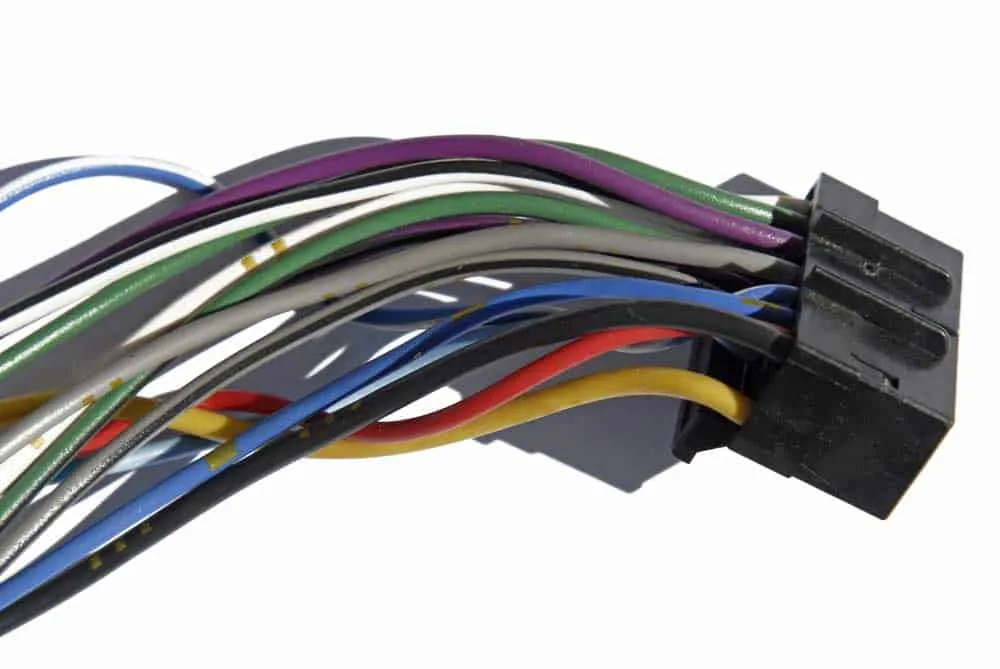
Infotainment and navigation systems depend on dedicated audio signal wires to deliver high-fidelity sound from head units to speakers. These conductors are typically color-coded to indicate channel polarity and function, enabling mistake-proof assembly and field replacement.
Communication Bus Networks
Modern vehicle architectures employ real-time data buses, predominantly CAN (Controller Area Network), to exchange critical information among ECUs. The two-wire CAN bus harness, often implemented with twisted-pair configurations, ensures differential signal integrity even in electromagnetic noisy environments. Signal wires in these networks are selected for characteristic impedance and termination requirements.
Instrument Cluster Data Transmission
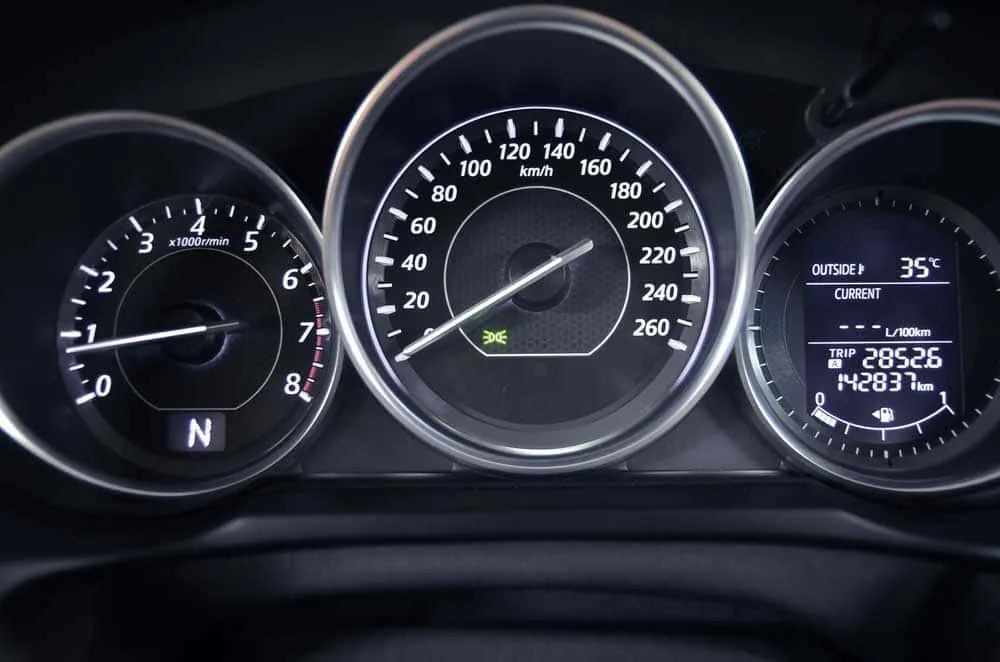
Gauge clusters—including tachometer, speedometer, and temperature indicators—receive processed sensor data via dedicated signal lines. These circuits must maintain consistent voltage levels and resist ground loops to provide accurate and immediate driver feedback.
Control Signal Lines
Low-current signal wires actuate relays, lighting, and body electronics such as power windows and mirror adjustments. Although power levels are modest, these circuits require robust connector locking and strain relief to withstand continuous use and vibration.
Color Coding and Standardization: Enabling Efficient Assembly and Service
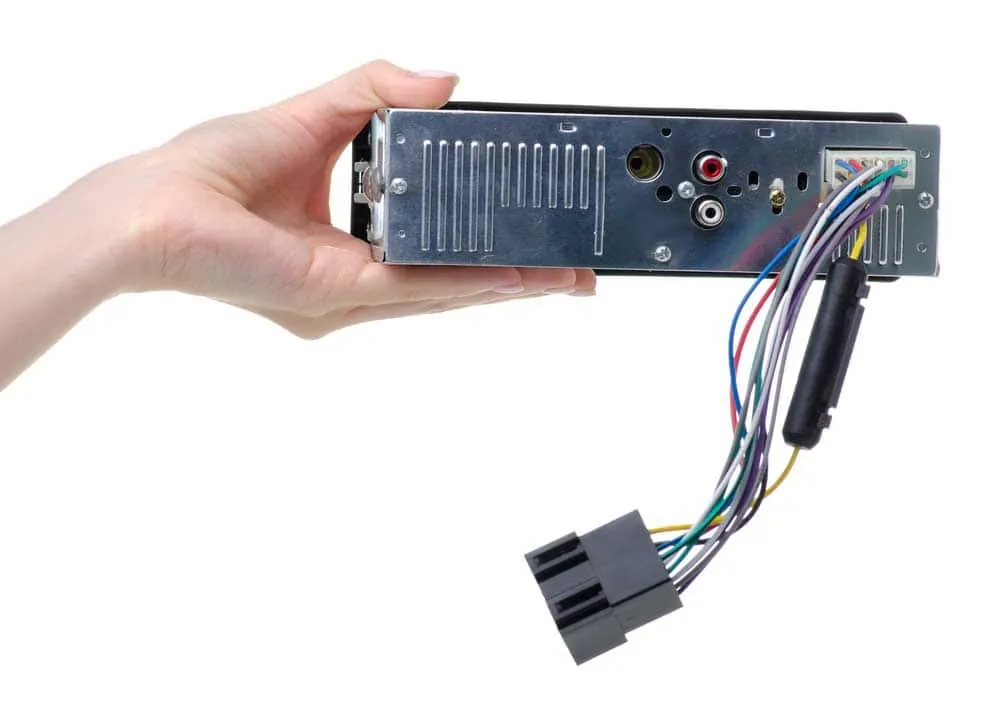
Color coding is not merely a cosmetic convenience; it is a critical element of harness design that drives manufacturing efficiency, field serviceability, and safety.
Identification and Error-Proofing
With dozens of individual circuits bundled in a single harness, color differentiation allows line workers and technicians to quickly identify each conductor’s role, drastically reducing miswiring during production and maintenance.
Industry-Wide Standardization and Interoperability
Adherence to international color code conventions (e.g., ISO 6722, SAE J1128) ensures that wiring harnesses from multiple Tier-1 suppliers remain interoperable across vehicle platforms. This standardization simplifies integration for OEMs and enables aftermarket adaptability.
Safety and Quick Troubleshooting
Proper color coding minimizes short-circuit risks by enabling visual verification of correct connections. In the event of a field failure, technicians can trace a signal path by color, accelerating fault isolation and reducing vehicle downtime.
Streamlined Documentation
Wiring diagrams and schematics become more intuitive when signal wires follow a documented color scheme. This clarity benefits design engineers, manufacturing quality teams, and service technicians alike.
Overcoming Environmental and Mechanical Challenges in Signal Wire Design
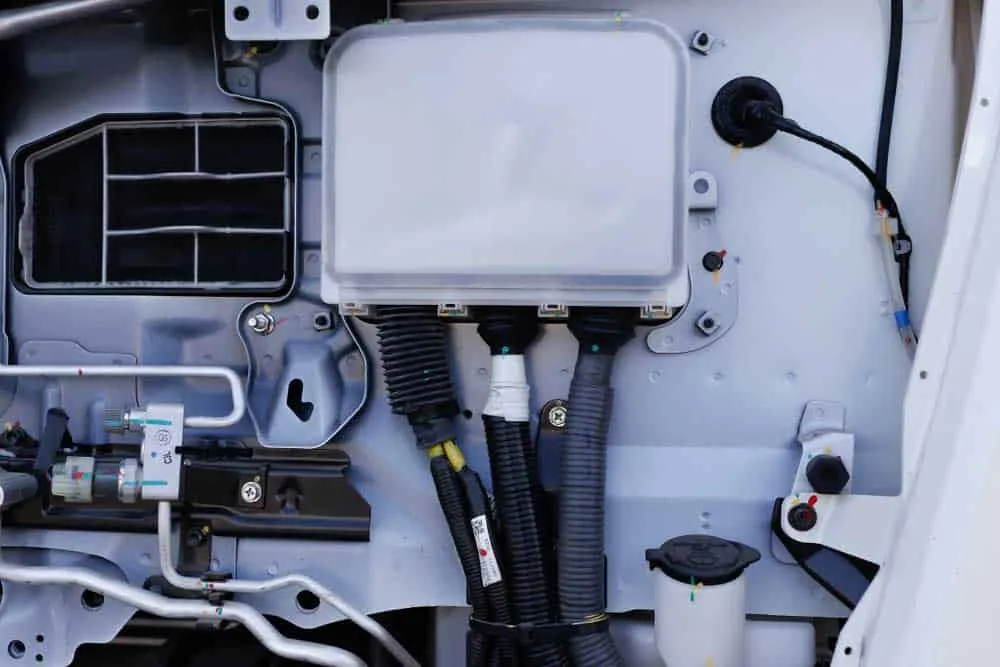
Signal integrity must be assured under the harsh conditions typical of automotive, off-highway, and aerospace environments. Procurement engineers must evaluate harness designs against the following stressors.
Thermal Resilience in Under-Hood Environments
Engine compartments and transmission tunnels expose signal wires to temperatures exceeding 125°C. Insulation materials such as cross-linked polyethylene (XLPE) or silicone, combined with protective tubing, maintain dielectric strength and prevent conductor oxidation.
Corrosion and Fluid Resistance
Exposure to road salt, fuels, and hydraulic fluids can degrade insulation and promote galvanic corrosion at terminations. Sealed connectors, tin-plated terminals, and conformal coatings are essential to maintain signal fidelity over the vehicle lifetime.
Vibration and Mechanical Strain Relief
Continuous vibration can fatigue copper strands and loosen connectors. Design remedies include strain relief grommets, routing clips, and secondary locking mechanisms at connector interfaces to absorb mechanical energy and prevent fretting.
Electromagnetic Compatibility (EMC) Strategies
Radiated and conducted EMI from high-power actuators and switching supplies can corrupt low-level signals. Effective shielding—via foil wraps, braided shields, or twisted-pair geometries—combined with proper grounding and filtering, ensures that ECUs receive accurate data.
Future-Proofing Signal Transmission: Trends for Next-Gen OEM Platforms
As vehicle autonomy and connectivity advance, signal wire specifications must evolve. Procurement professionals should consider the following technology shifts when sourcing future harnesses.
High-Bandwidth Data Transmission
ADAS and autonomous driving systems demand Gbps-level data rates. While conventional copper may support 100BASE-T1 or 1000BASE-T1, optical fiber is gaining traction for its immunity to EMI and higher bandwidth-distance product.
Intelligent Wiring Systems
Adaptive systems require harnesses that not only carry signals but also participate in network diagnostics. Smart connectors with built-in monitoring chips can report harness health and fault conditions, enabling predictive maintenance.
Power over Data Line (PoDL) and Lightweighting
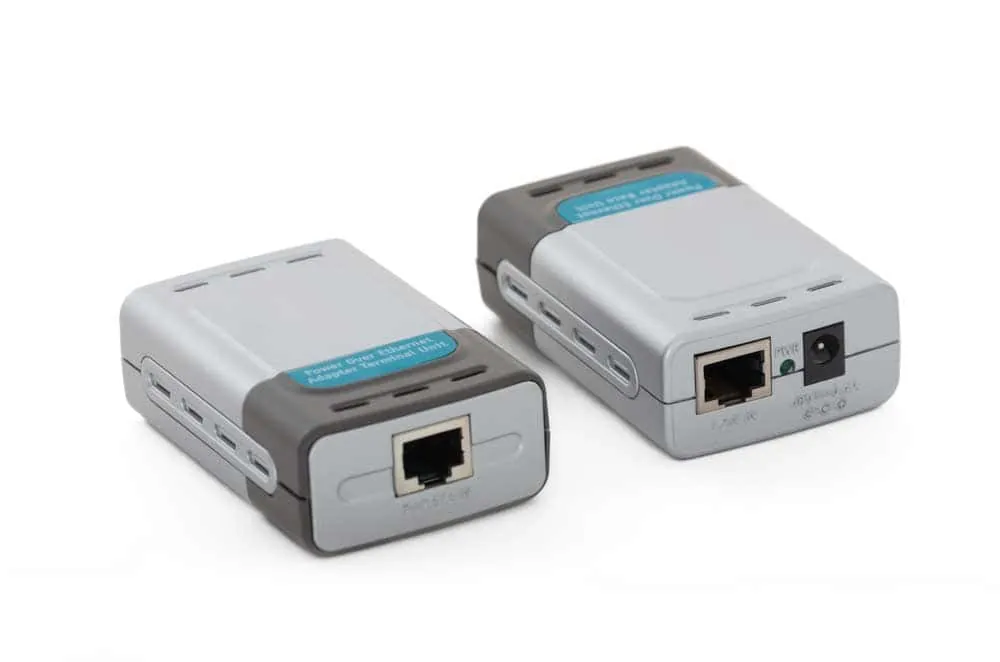
To reduce copper weight—a critical metric for EV range—engineers are consolidating power and data onto single twisted-pair lines, following IEEE 802.3bu/bw standards. This PoDL approach cuts harness mass while maintaining functional safety.
Advanced Shielding Techniques
As electronics density grows, so does electromagnetic noise. Next-generation signal wires will incorporate composite shielding materials and optimized grounding architectures to prevent crosstalk and meet increasingly stringent EMC regulations.
Convergence Toward Universal Standards
Industry bodies are working toward harmonized communication protocols and signal wire specifications, facilitating cross-platform scalability from passenger cars to heavy-duty trucks and aircraft.
Design for Manufacturing (DFM) and Certification Considerations
Procurement and quality teams must ensure that signal wire harnesses not only meet functional requirements but also align with relevant manufacturing standards and certification frameworks. IPC/WHMA-A-620, the prevailing standard for cable and wire harness assemblies, provides acceptance criteria for crimping, soldering, and securing wires, ensuring consistency across production batches. Adherence to Class 2 or Class 3 requirements, depending on the application, mitigates field failure risks and streamlines supplier qualification.
For automotive applications, ISO 9001 certification integrates ISO 9001 with sector-specific defect prevention and continuous improvement practices. Suppliers demonstrating IATF 16949 compliance have proven process controls that reduce variability in signal wire termination and harness assembly. In aerospace programs, AS9100 mandates rigorous configuration management and traceability, directly impacting signal wire procurement for flight-critical systems. Similarly, medical device harnesses intended for diagnostic or monitoring equipment must adhere to ISO 13485, emphasizing risk management and regulatory compliance. Selecting partners well-versed in these standards ensures that signal wire designs are not only electrically sound but also manufacturable at scale and certifiable for the target industry.
Strategic Partnership for Reliable Signal Harness Solutions

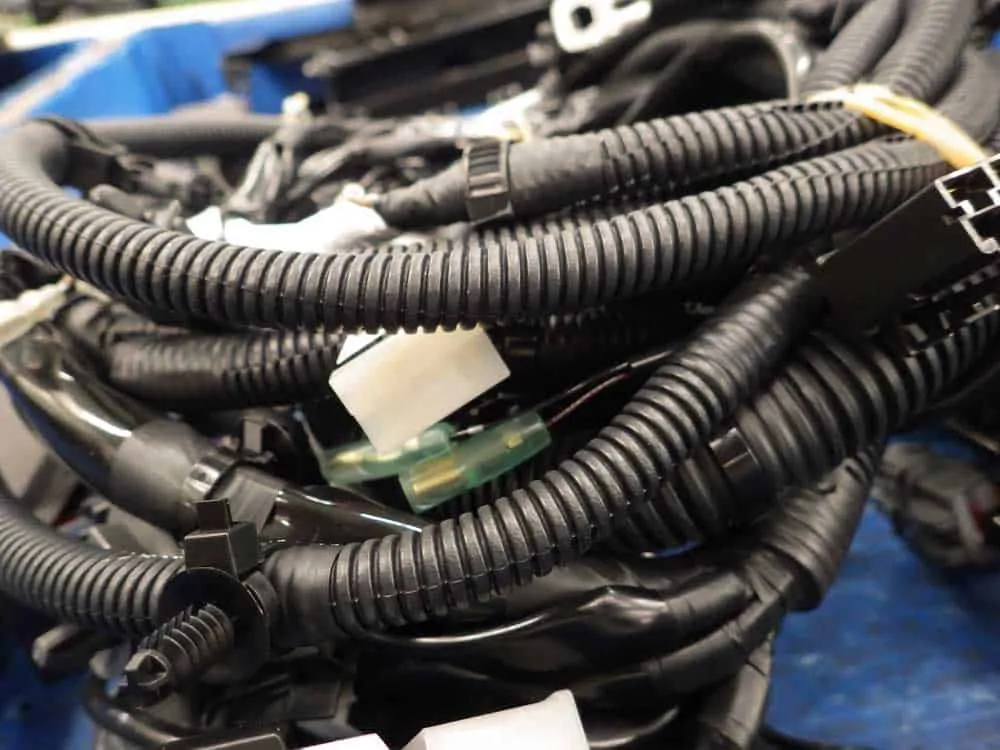
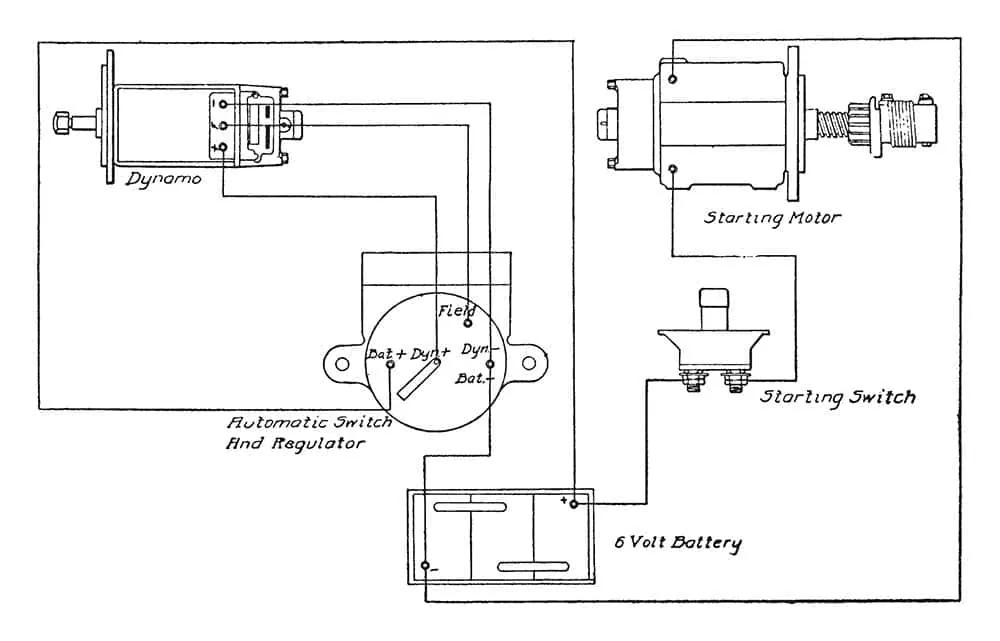
From sensor-level analog signals to high-speed digital buses, the signal wire network forms the backbone of modern vehicle intelligence. At Cable Harness Assembly, we combine deep materials expertise with certified manufacturing processes to deliver harnesses that withstand environmental extremes while meeting IPC/WHMA-A-620 and ISO 9001 requirements. Engage our engineering team early in your design phase to optimize signal integrity, weight, and cost for your next-generation platform.
An earlier version of this article first appeared on autowiringpro.com. This version has been rewritten and updated for OEM and procurement audiences.