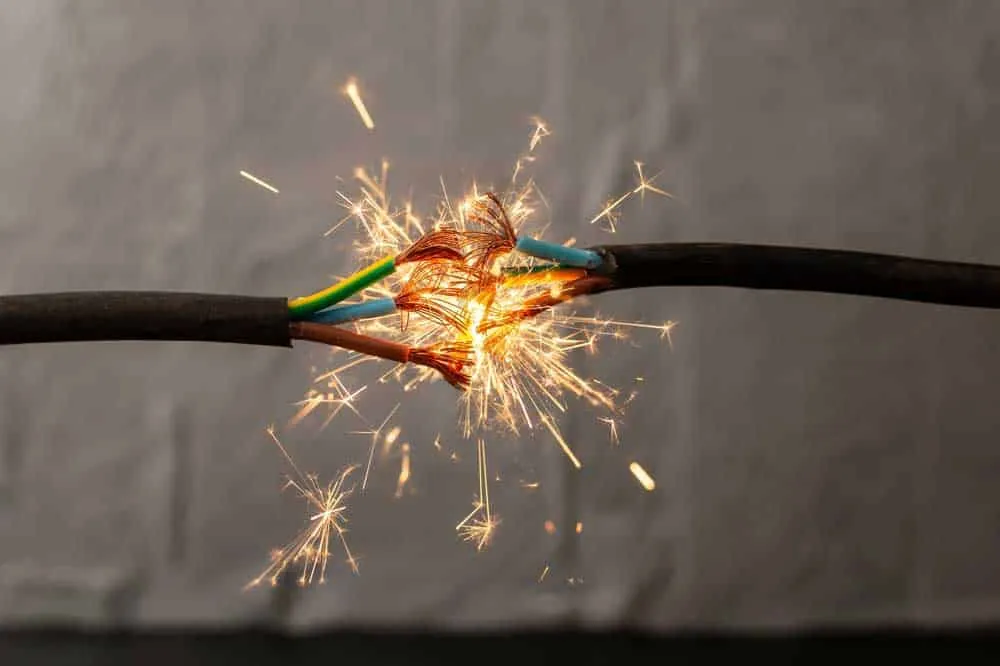
In modern vehicle platforms, wire insulation directly influences harness reliability, weight reduction, and compliance with OEM specifications. For procurement and engineering teams, understanding the material science behind insulation types is critical to ensuring long-term performance in harsh automotive environments.
Insulation Properties and Electrical Protection
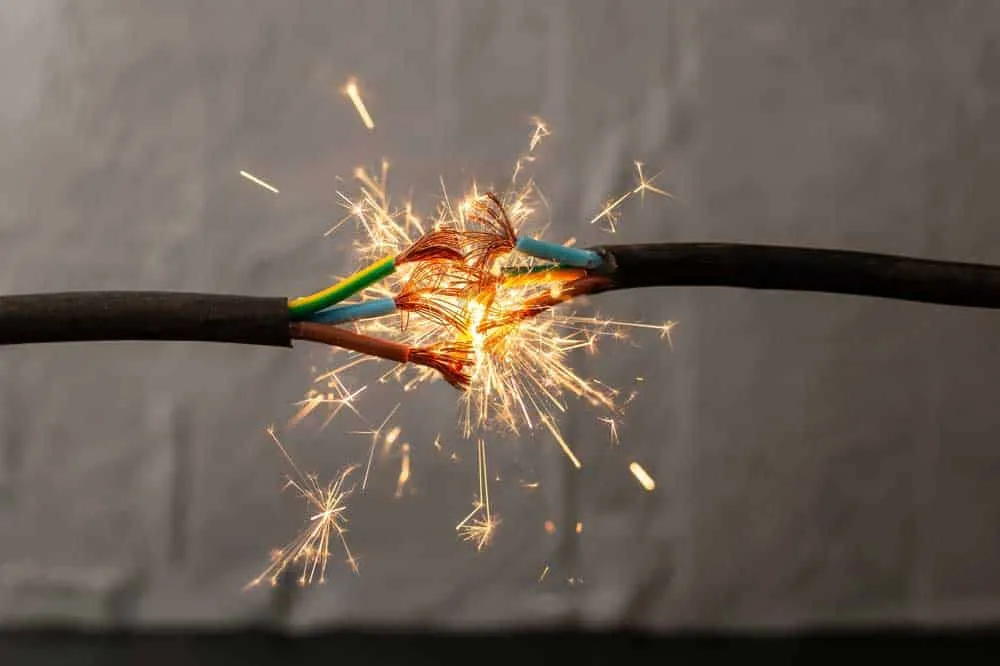
Insulation is a non-conductive layer covering the conductor, serving as a dielectric in RF applications. It blocks current leakage to adjacent wires and shields the conductor from environmental degradation, directly determining the cable’s operational lifespan.
Primary Functions in Automotive Wiring
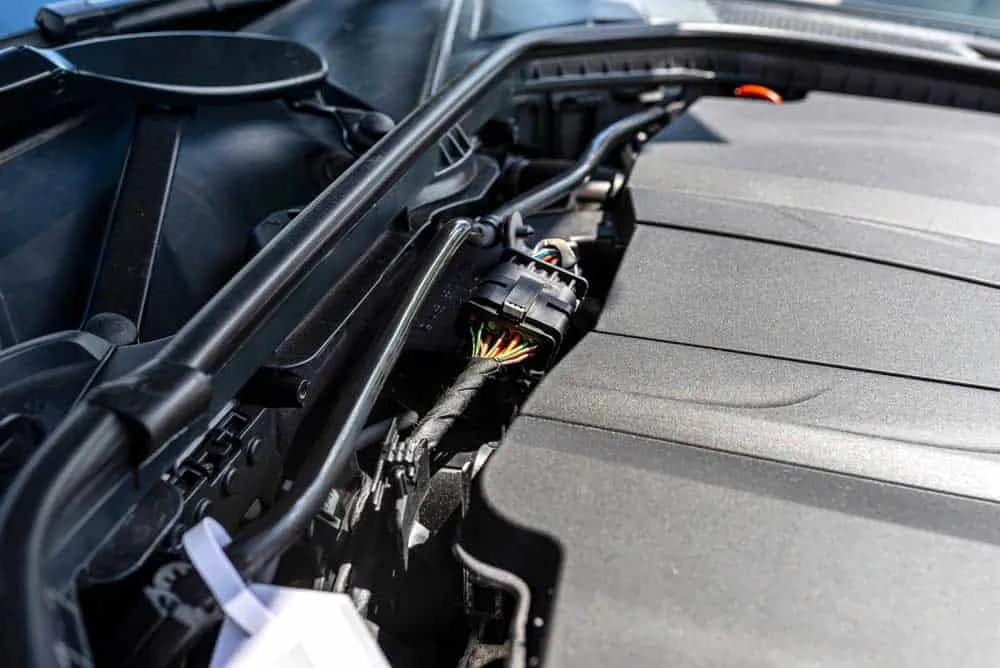
Corrosion Resistance
Copper conductors are highly reactive with oxygen and moisture. Tin plating prior to stranding is the most effective anticorrosion measure. Historically, rubber and cotton braid coatings were used but proved brittle and susceptible to fungal growth. Polyvinyl chloride (PVC) provided a plastic alternative but remains porous, allowing contaminant ingress in non-plated wires. Teflon jackets offer excellent flexibility and resistance but carry a higher cost and emit toxic fumes under fire. Modern solutions often pair Teflon with an outer PVC jacket or use Tefzel for its abrasion resistance.
Thermal Management
PVC insulation is rated for 80°C and 105°C variants. Teflon withstands up to 500°F (260°C), far above typical engine compartment temperatures that can reach 300°F (149°C). In under-hood areas exposed to brake fluid, fuel, or solvents, Tefzel—a modified ETFE—is preferred for its high abrasion resistance despite slightly lower thermal limits.
Low-Voltage Wire Insulation Options
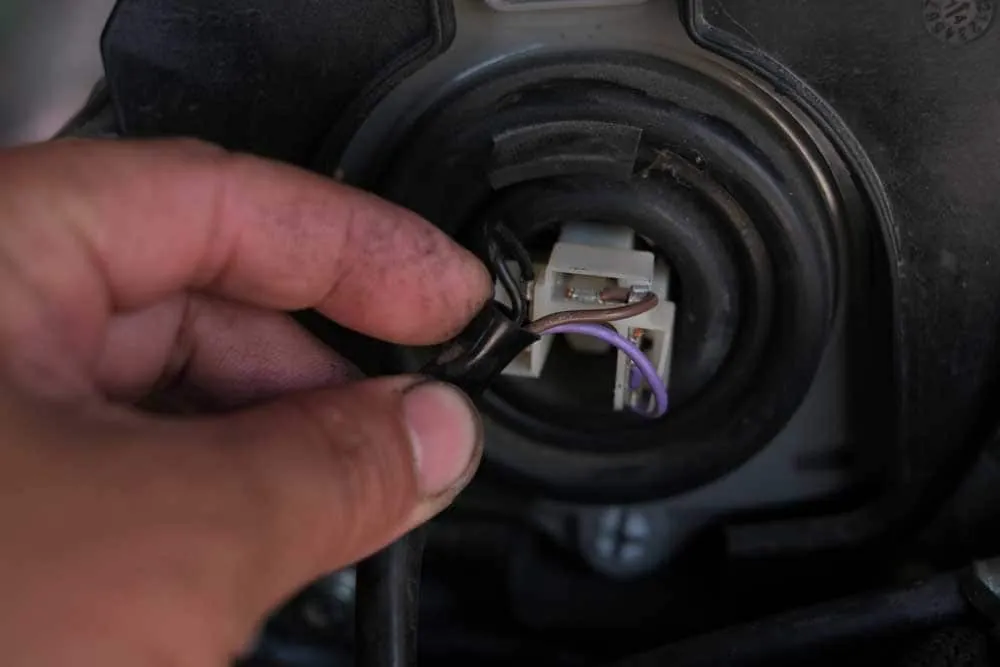
GPT – General Purpose Thermoplastic
GPT wire uses an extruded PVC jacket over bare copper. It operates at -45°C to +85°C and up to 60V. While cost-effective and common in cabin and under-hood circuits, GPT is not recommended near engine heat or chemical liquids due to limited resistance.
Cross-linked PE (XLPE) – SXL, GXL, TXL
Cross-linking modifies the insulation’s molecular structure for enhanced stability. XLPE wires handle -51°C to +125°C and 60V, with excellent resistance to grease, oil, moisture, and acids. Three wall thicknesses address different needs:
- SXL: Thickest insulation for maximum abrasion resistance in heavy-duty engine compartments.
- GXL: Thinner than SXL, balanced for under-hood use; lighter and more flexible.
- TXL: Thinnest insulation for tight spaces, offering high flexibility with reduced weight.
High-Voltage Cable Insulation (Up to 600V)
SGT – PVC Jacketed Battery Cable
SGT cables meet SAE J-1127 and provide economical insulation for 80°C environments. They resist acids, oils, and cracking, and are available in gauges 6–4/0 AWG for diverse power distribution tasks.
SGX – Cross-linked PE Battery Cable
SGX cables feature XLPE insulation rated for 125°C, with resistance to coolant, acids, alkalis, abrasion, ethanol, and transmission fluids. They comply with SAE J-1127, UL 558, and UL 583. Available in red/black spools, SGX is suited for demanding vehicle applications in trucks, buses, and off-road equipment.
Design for Manufacturing (DFM) and Certification Considerations
IPC/WHMA-A-620 is the process standard for cable and wire harness assembly, ensuring acceptable workmanship for crimping, soldering, and insulation termination. Compliance with this standard is often a mandatory requirement for Tier 1 and Tier 2 suppliers.
In automotive applications, ISO 9001 certification denotes a quality management system tailored to the automotive industry, emphasizing defect prevention and continuous improvement. For aerospace primes, AS9100 certification aligns with stringent traceability and risk management requirements. Medical device connectivity projects benefit from ISO 13485, which governs quality systems for medical devices.
Selecting a harness partner that holds these certifications streamlines the vendor approval process and reduces risk in complex supply chains.
Conclusion
OEMs and procurement engineers can leverage the comparative insulation data to specify optimal wire types for each vehicle zone. At cableharnessassembly.com, we combine extensive material expertise with certified manufacturing processes to deliver custom wire harnesses that meet the most demanding environmental and regulatory requirements. Contact our engineering team to discuss your next program.
An earlier version of this article first appeared on autowiringpro.com. This version has been rewritten and updated for OEM and procurement audiences.