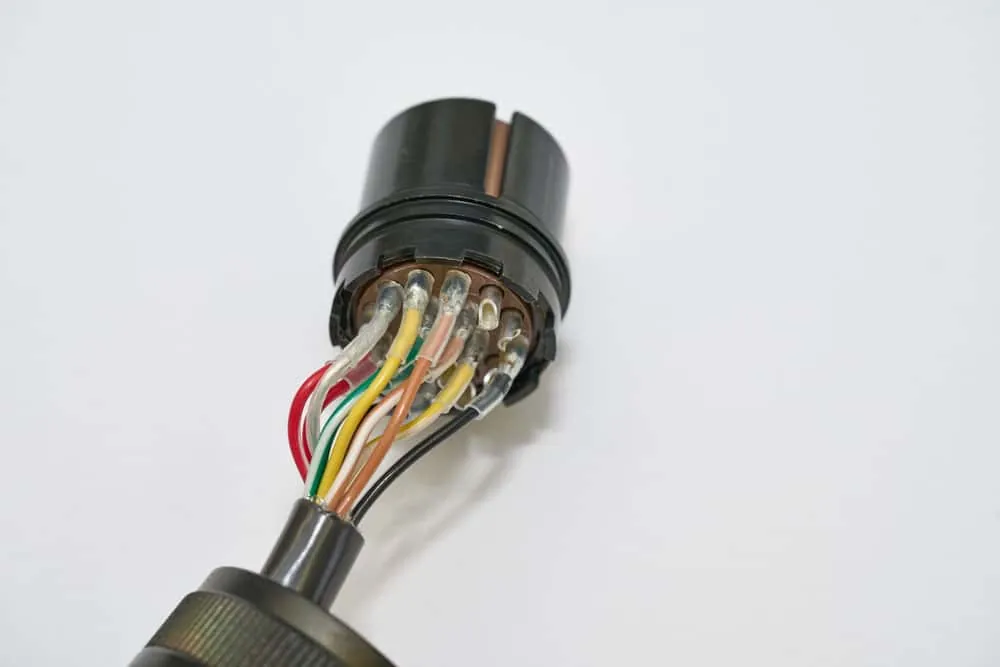
In high‑reliability wire harness applications across automotive, aerospace, and industrial sectors, connector backpotting provides essential mechanical and environmental protection for soldered or crimped terminations. By encapsulating the rear of the connector housing with a specialized potting compound, OEMs and harness manufacturers can achieve strain relief, moisture sealing, and enhanced dielectric performance.
What Is Backpotting in Cable Assemblies?
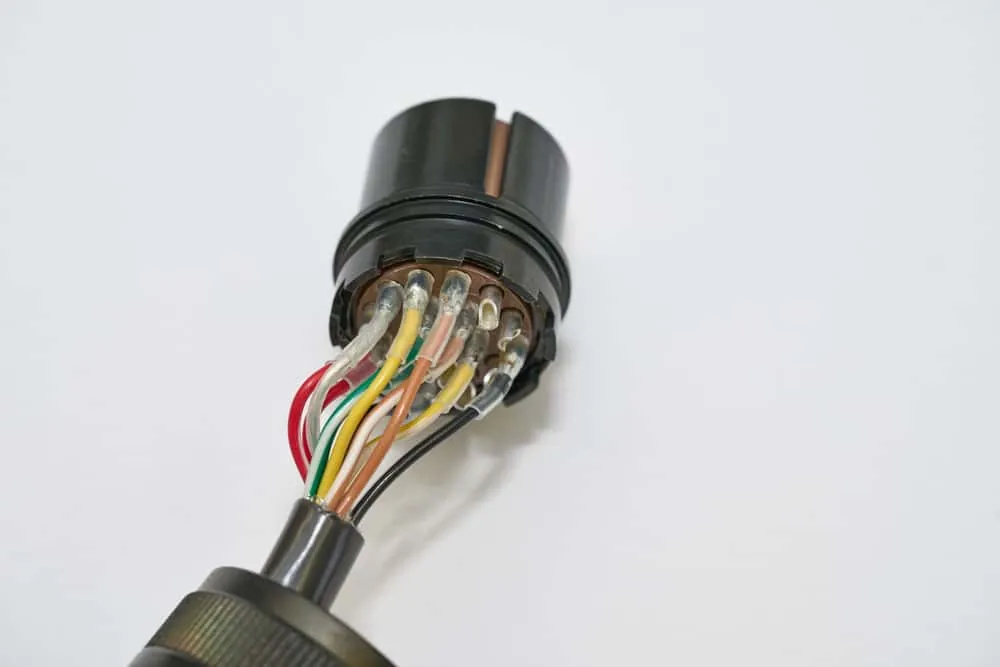
Backpotting, also referred to as potting, is the process of filling the rear cavity of a connector with a liquid resin that cures into a solid, protective block. The assembly is often placed in a mold or pot to define the fill volume. Once hardened, the compound immobilizes the wires, isolates the terminations from environmental contaminants, and adds structural rigidity. For SMT‑based PCBs integrated into cable assemblies, low‑glass‑transition (Tg) compounds such as silicone or polyurethane are preferred to avoid solder joint fatigue from thermal cycling. In many board‑level designs, conformal coating may be a lighter, more repairable alternative, but for standalone wire‑to‑connector interfaces, backpotting remains the superior solution.
Benefits of Connector Backpotting for OEM Applications
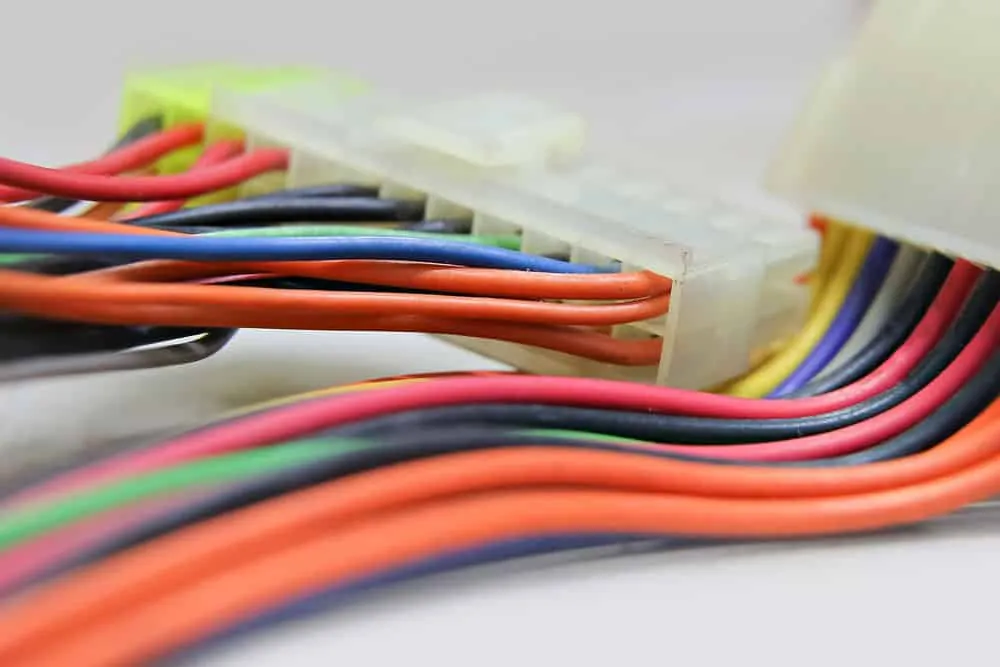
Strain Relief and Mechanical Integrity
Backpotting locks each wire into a rigid block, distributing tensile forces away from the crimp or solder joint. This drastically reduces the risk of wire pull‑out or contact dislocation when harnesses are routed through vibration‑prone engine compartments, doors, or robotic arms.
Environmental Sealing
While front‑side connector seals (gaskets, interfacial seals) protect the mating interface, the rear termination area is often exposed. Potting provides a surface‑to‑surface seal that blocks moisture, dirt, salt spray, and other contaminants—critical for under‑hood automotive, off‑highway, and outdoor industrial equipment.
Chemical Resistance
The cured compound forms a chemically resistant barrier against automotive fluids (engine oil, brake fluid, coolants), hydraulic oils, fuels, and cleaning solvents that would otherwise degrade insulation or corrode contacts.
Enhanced Reliability and Durability
By combining strain relief with environmental and chemical protection, potted connectors exhibit significantly longer service life. Reduced micromotion at the termination points minimizes fretting corrosion and insulation wear, directly improving field reliability metrics for fleet managers and end users.
Thermal Management
Certain potting resins are formulated with high thermal conductivity, effectively drawing heat away from high‑current contacts and power circuits. This helps maintain contact resistance within specification and prevents thermal runaway in densely packaged harness assemblies.
Design Adaptability
Because potting material flows into any cavity shape, the process is inherently flexible. It can be applied to circular, rectangular, custom‑shape connectors, and even mixed‑pin layouts, enabling engineering teams to standardize protection without redesigning connector housings.
EMI Mitigation
For signal‑critical circuits—such as CAN bus, FlexRay, or high‑speed sensor links—specialty potting compounds loaded with conductive fillers can provide electromagnetic shielding, preserving signal integrity in electrically noisy environments like electric vehicle power electronics.
Potting vs. Encapsulation: Selecting the Right Method
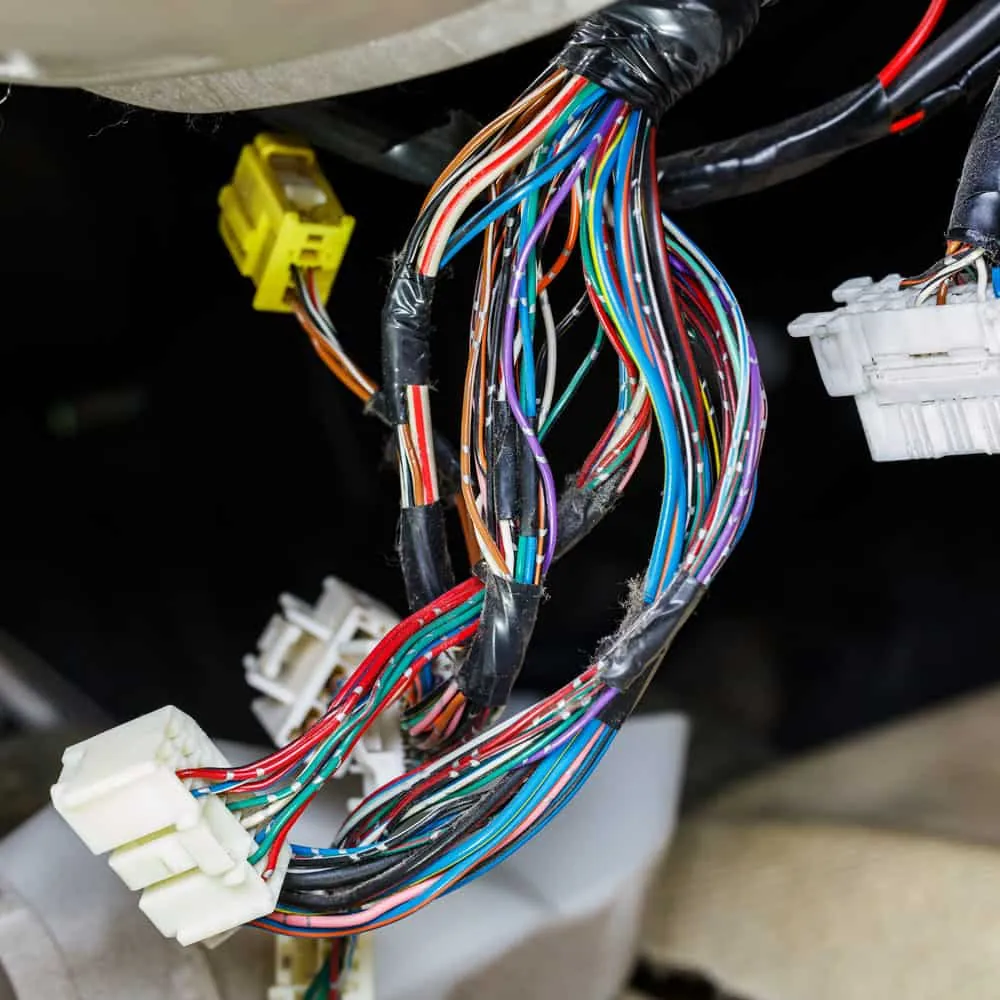
Though often used interchangeably, potting and encapsulation differ in execution. Potting fills a defined cavity (the connector’s rear shell or an external mold) around the termination area, leaving the rest of the cable assembly exposed. Encapsulation, by contrast, involves dipping or casting the entire component in resin, creating a complete external shell. Encapsulation is typically reserved for submersible or extremely harsh environment sensors, whereas potting is the standard for connector backshells where repairability and weight are considerations.
Backpotting Compound Selection Criteria
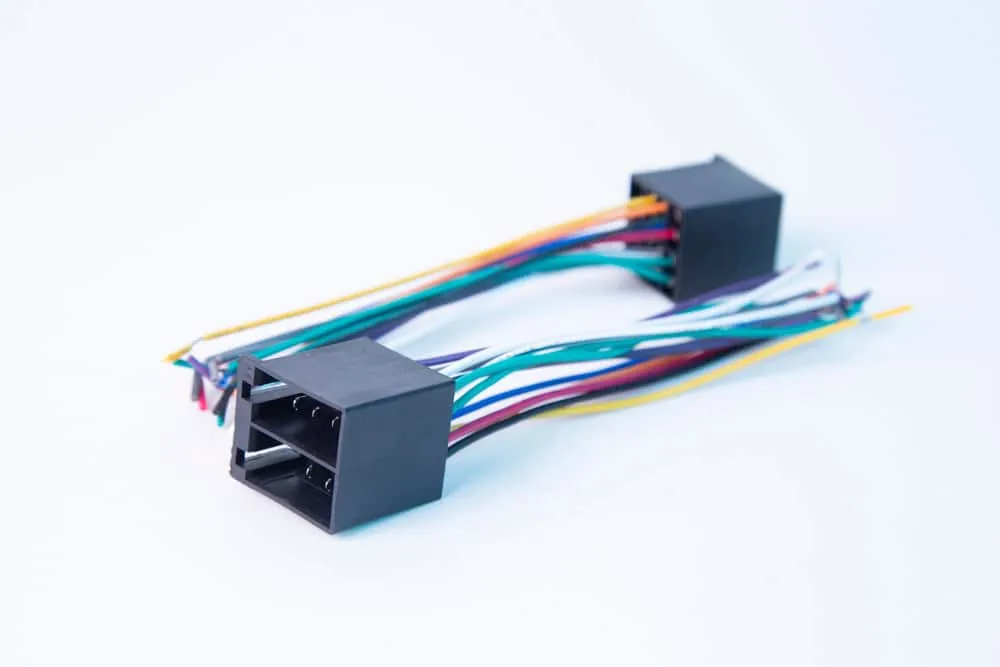
Material selection is dictated by thermal, mechanical, and processing requirements. Common formulations include:
- Stycast 2651MM (with catalyst 9) – low‑viscosity, high‑temperature epoxy
- Robnor Resins PX439XS/BK – flexible, flame‑retardant epoxy
- Stycast 2651 (with catalyst 11) – general‑purpose potting epoxy
- Epoxies 50‑3122RBK – thermally conductive, medium‑viscosity compound
Key selection parameters:
- Viscosity and flowability for capillary‑style cavities
- Cure time and pot life to match production takt time
- Shore hardness and elongation for strain relief
- Service temperature range (−40 °C to +150 °C typical)
- Dielectric strength and volume resistivity
- Adhesion to common jacket materials (PVC, XLPE, silicone)
Process for Manufacturing Potted Cable Assemblies

Backpotting Steps
Step 1: Prepare and Mix the Epoxy Compound
Carefully mix the resin and hardener according to the supplier’s ratio. Use a low‑shear mixing technique to minimize air entrainment, as bubbles can compromise seal integrity.
Step 2: Load the Compound into a Dispensing System
Transfer the mixed compound into a pneumatic dispenser or syringe fitted with an appropriate nozzle size. Material viscosity influences dispensing pressure and nozzle selection.
Step 3: Dispense into the Connector Cavity
Inject the compound into the rear cavity, filling to the design level. If open‑crimp contacts are used, ensure the liquid does not wick into the contact area that must remain open for mating.
Step 4: Optional Degassing
Place the filled assembly in a vacuum chamber to extract trapped air bubbles. This step is especially recommended for high‑voltage or sealed‑for‑life applications.
Step 5: Cure the Assembly
Allow the compound to cure as per the technical data sheet. Accelerated curing in a warm oven can reduce cycle time but must not exceed the connector housing material’s temperature rating.
Step 6: Final Inspection
Verify fill volume, absence of voids, contact alignment, and proper adhesion. Electrical continuity and insulation resistance tests are performed per harness specification.
Design for Manufacturing (DFM) and Certification Considerations
Potted assemblies must be designed with process repeatability and industry standards in mind. The connector cavity geometry should allow compound to flow without trapping air, and a retaining wall (integral to the housing or created with removable tooling) must be leak‑tight during cure. For high‑volume production, automated dispensing and precise metering ensure consistent fill levels, reducing scrap and rework.
Compliance with relevant quality standards is non‑negotiable. General cable and harness acceptability is governed by IPC/WHMA‑A‑620, which defines workmanship criteria for potting, including coverage, adhesion, and void limits. For automotive applications, the harness manufacturing facility and potting process must align with ISO 9001 requirements, encompassing process FMEAs, control plans, and production part approval (PPAP). In aerospace, AS9100 certification mandates traceability, special process qualification, and rigorous first‑article inspection of potted harnesses. For medical devices or diagnostic equipment, ISO 13485 applies, bringing additional emphasis on biocompatibility, cleanliness, and risk management. Partnering with a harness supplier that holds these certifications ensures that your potted cable assemblies meet the regulatory and performance demands of your industry.
Conclusion: Engineering Potted Assemblies for Reliability
Connector backpotting is a proven method to elevate the durability and environmental resilience of wire harness assemblies. By selecting the right compound, controlling the manufacturing steps, and adhering to industry‑specific certification requirements, OEMs and Tier‑1 suppliers can deploy harnesses that perform reliably over the product lifecycle. For custom potted cable solutions engineered to your exact specifications, contact our technical sales team to discuss your next program.
An earlier version of this article first appeared on autowiringpro.com. This version has been rewritten and updated for OEM and procurement audiences.