Understanding Custom Power Cable Assemblies
Power cable assemblies serve as critical infrastructure in industrial equipment, electric vehicles, and aerospace systems, transmitting power reliably under demanding conditions. Unlike off‑the‑shelf alternatives, custom power cables are engineered to precise mechanical, electrical, and environmental specifications, eliminating design compromises and ensuring seamless integration into complex OEM platforms.
Flexible power cords are essential for mobile machinery, portable test equipment, and field‑deployable systems. Below we examine the two primary categories relevant to industrial procurement.
Power Cord Assemblies
Power cords provide a temporary connection between equipment and a mains supply via a wall outlet or generator. For OEM applications, cord sets with overmolded connectors on both ends deliver enhanced safety by preventing exposed live parts and offer superior strain relief. A detachable cord set typically includes a flexible cable with a male plug (for the power source) and a female connector (appliance inlet), facilitating rapid disconnect during maintenance or reconfiguration.
Light‑duty lamp cord (two‑conductor, single‑insulated) is suitable for low‑amperage internal wiring, but most industrial applications require robust three‑conductor grounding for operator protection.
Extension Cable Assemblies
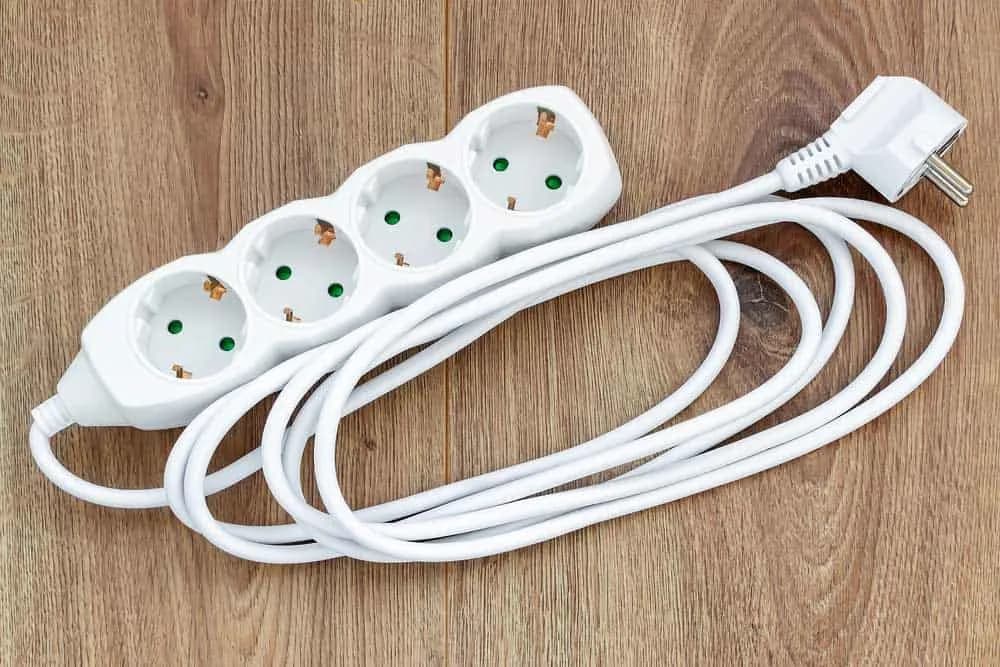
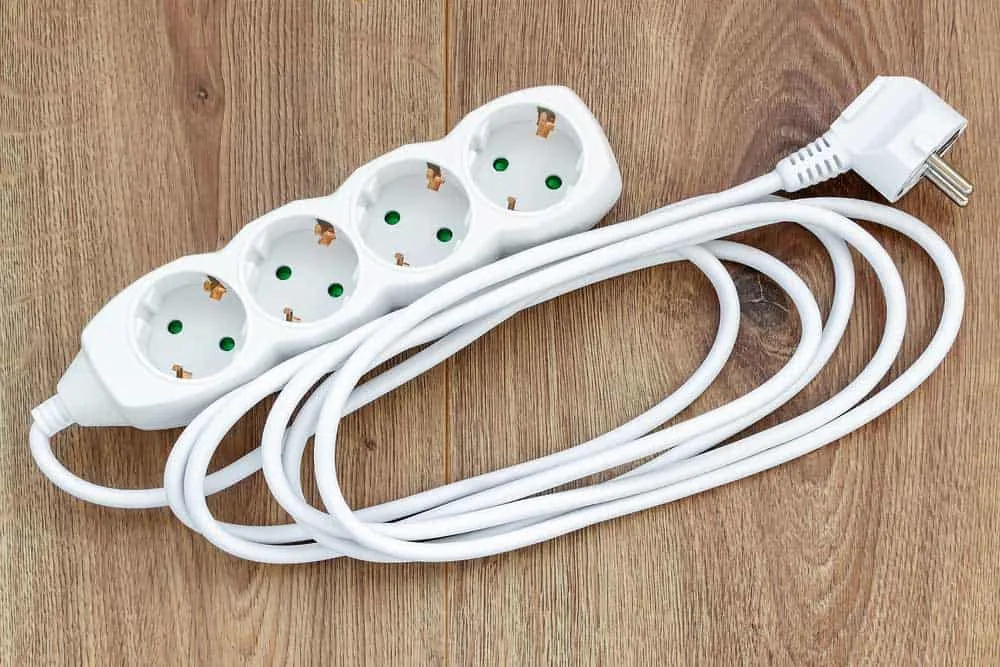
Extension cables extend power reach in factories, construction sites, and ground‑support operations. These assemblies feature a male plug on one end and often multiple outlets on the other. Lengths range from 2 ft (service loops) to 300 ft (temporary distribution), with custom options built to order.
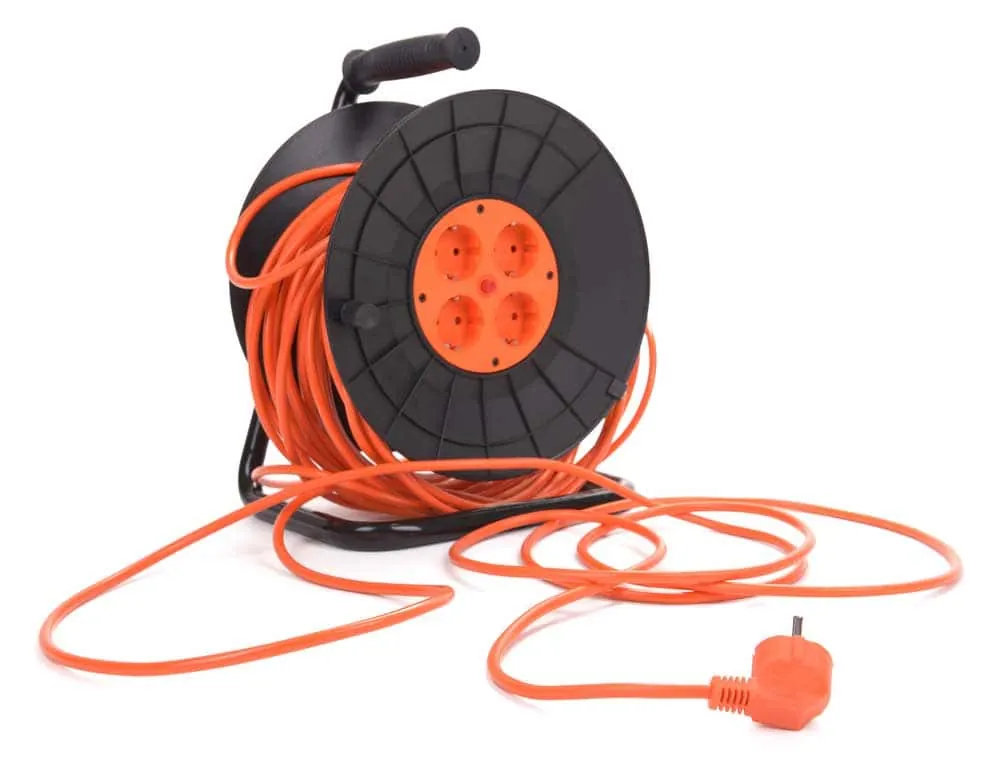
For wet or outdoor environments, jackets must resist moisture, UV, and oil. Heavy‑gauge conductors are a rule of thumb for high‑current applications to minimize voltage drop. Retractable cable reels enhance workplace safety and organization, particularly where trip hazards are a concern.
Adapters and customized outlets can convert between NEMA, IEC, or other standards, providing compatibility across global fleets. Grounding integrity is non‑negotiable; all extension cables designed for industrial use must maintain proper earth continuity.
Global Compliance and Connector Standards
International regulations ensure interchangeability and safety across markets. Understanding the dominant standards is essential when specifying power cables for global OEM supply chains.
IEC 60320 – International Electrical Connectors
The IEC 60320 series defines appliance couplers for voltages up to 250 V. The connectors identified by “C” numbers are ubiquitous in data centers, medical equipment, and industrial electronics. Key industrial types include:
| Connector | Max Current / Voltage | Max Pin Temp | Typical Application | |-----------|-----------------------|--------------|---------------------| | C13 | 10 A / 250 V | 70°C | Computers, rack PDUs | | C15 | 10 A / 250 V | 120°C | High‑temperature environments, PoE switches | | C19 | 16 A / 250 V | 70°C | Enterprise servers, chassis switches |
North America – NEMA 5‑15P
The National Electrical Manufacturers Association (NEMA) 5‑15P is the standard plug for 125 V circuits rated 15 A. Common OEM configurations include NEMA 5‑15P to C13 or C15, matching power inlets on industrial control panels and IT equipment.
Europe – CEE 7/7
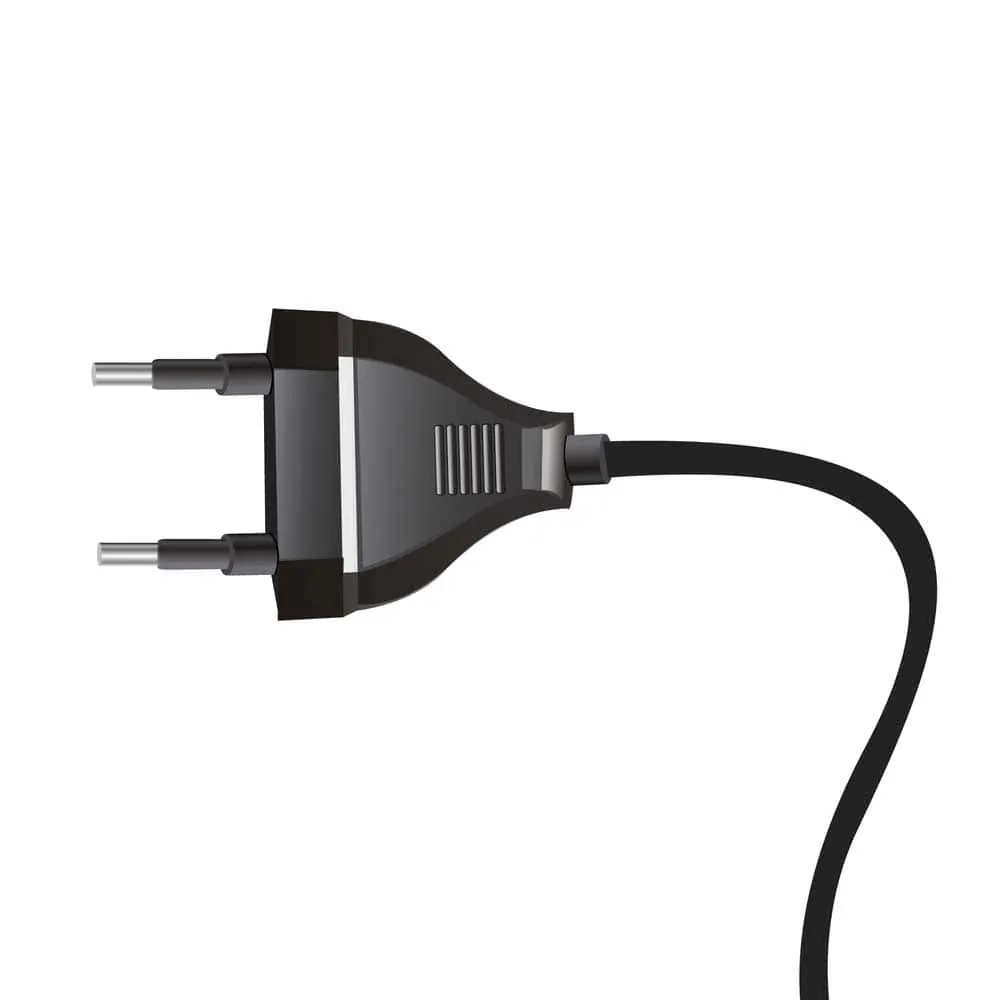
Most European nations adopt CEE 7/7 (Schuko/French hybrid) plugs, with Denmark, Italy, Switzerland, and the UK/Ireland using distinct national types. Cables built with CEE 7/7 to IEC connectors are standard for pan‑European deployments.
Other Regional Standards
Major economies maintain their own plug standards, which may also adopt IEC 60320 appliance inlets. Examples include JIS C 8303 (Japan), AS/NZS 3112 (Australia/New Zealand), and GB 1002 (China). A custom cable partner must offer tooling for these variants to support global OEM distribution.
Tailored OEM Power Cable Solutions
Cable Harness Assembly works directly with engineering teams to develop custom power cables that meet exact performance and form‑factor requirements. From low‑profile right‑angle plugs for space‑constrained EV battery trays to high‑amperage rectangular connectors for aerospace ground support, we translate specifications into production‑ready assemblies.
Information Required for Precision Engineering
To generate an accurate quotation and design proposal, we request the following specifications:
- Connector and plug configuration. Specify male (plug) and female (connector) types: NEMA, IEC, CAM‑LOK, CS, heavy‑duty rectangular, or customer‑supplied connectors. Low‑profile, right‑angle, and hooded options are available.
- Cable length. From 12‑inch adapter cables to 100‑ft plus reels, defined by your installation layout.
- Wire gauge. Conductor diameter sized for the load current and length to limit voltage drop. Refer to the ampacity chart below.
| Amperes | 0–4 ft | 4–7 ft | 7–10 ft | 10–13 ft | 13–16 ft | 16–19 ft | 19–22 ft | |---------|--------|--------|---------|----------|----------|----------|----------| | 0–20 | 12 AWG | 12 | 12 | 12 | 10 | 10 | 10 | | 20–35 | 12 | 10 | 10 | 10 | 10 | 8 | 8 | | 35–50 | 10 | 10 | 10 | 8 | 8 | 8 | 4 or 6 | | 50–65 | 10 | 10 | 8 | 8 | 4 or 6 | 4 or 6 | 4 | | 65–85 | 10 | 8 | 8 | 4 or 6 | 4 | 4 | 4 | | 85–105 | 8 | 8 | 4 or 6 | 4 | 4 | 4 | 4 | | 105–125| 8 | 8 | 4 or 6 | 4 | 4 | 4 | 2 | | 125–150| 8 | 4 or 6 | 4 | 4 | 2 | 2 | 2 | | 150–200| 4 or 6 | 4 | 4 | 2 | 2 | 1 | 1/0 | | 200–250| 4 | 4 | 2 | 2 | 1/0 | 1 | 1 | | 250–300| 4 | 2 | 2 | 1/0 | 1/0 | 1 | 2/0 |
- Design features. Molded strain relief with custom logos, LED power indicators, retractable reels, overmolded waterproof boots, and flexible shielding for EMI‑sensitive environments.
We support rapid prototyping, and our engineering team can assist with thermal and current‑carrying‑capacity simulations to validate designs before cutting tooling.
Design for Manufacturing (DFM) and Certification Considerations
Engineering a power cable assembly that performs reliably in production requires a Design for Manufacturing (DFM) approach. At Cable Harness Assembly, we embed DFM checks early in the development cycle, evaluating conductor routing, connector termination methods, and strain relief geometry to streamline automated and manual assembly. This reduces labor time, increases first‑pass yield, and ensures consistent quality across high‑volume runs.
Certification to industry‑specific standards is mandatory for OEM suppliers. Our facility adheres to IPC/WHMA‑A‑620, the global benchmark for wire harness acceptability, covering crimping, soldering, and insulation requirements. For automotive and EV customers, we maintain ISO 9001 certification, which extends ISO 9001 with additional defect‑prevention and traceability mandates. Aerospace programs require an AS9100‑certified quality management system, meeting strict configuration control and risk management criteria. When devices will be used in medical settings, we build to ISO 13485, ensuring cleanroom‑compatible materials and full lot traceability.
Procurement engineers can rely on our comprehensive test documentation: continuity, hipot, insulation resistance, and, where required, thermal cycling and vibration profiles. By integrating DFM principles and maintaining these certifications, we deliver power cable assemblies that meet regulatory, performance, and lifetime expectations without surprises in the field.
Conclusion: Engineering Reliable Power Connections
Standard power cables limit design flexibility and may not survive harsh industrial, vehicular, or aerospace environments. Cable Harness Assembly provides a full‑service custom solution: from concept engineering and DFM analysis to certified manufacturing and rigorous testing. Our assemblies support mining, energy, military, medical, and commercial vehicle applications, delivering robust performance wherever power distribution is mission‑critical.
With deep experience across connector lines and compliance frameworks, we turn your specifications into reliable, cost‑effective cable assemblies. Contact us to discuss your next project, and receive a responsive quote backed by engineering expertise.
An earlier version of this article first appeared on autowiringpro.com. This version has been rewritten and updated for OEM and procurement audiences.