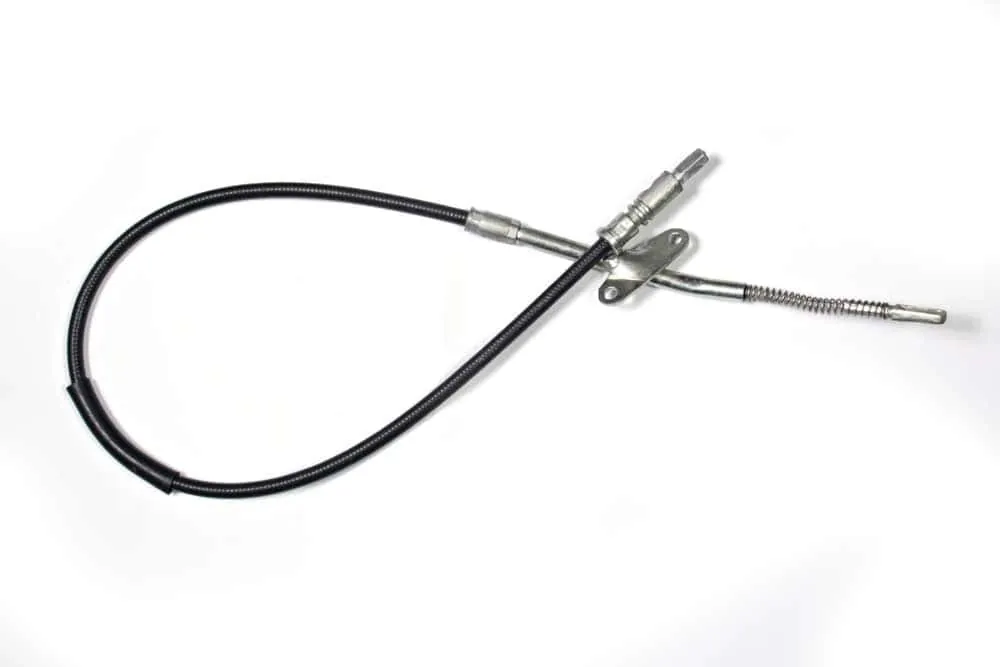
Custom Control Cables: Engineered Motion Transmission for Critical Applications
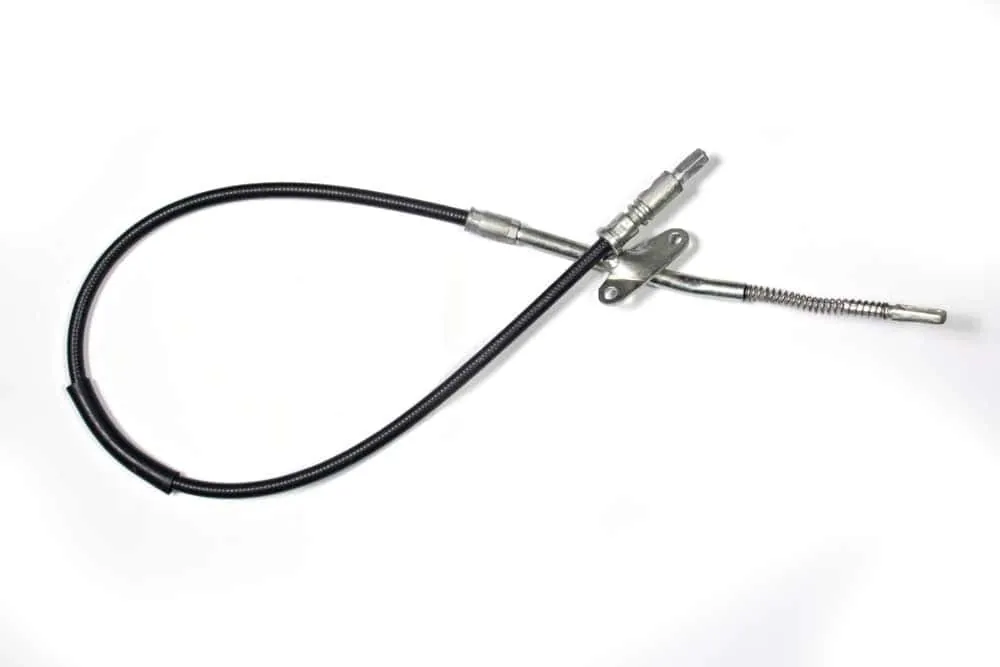
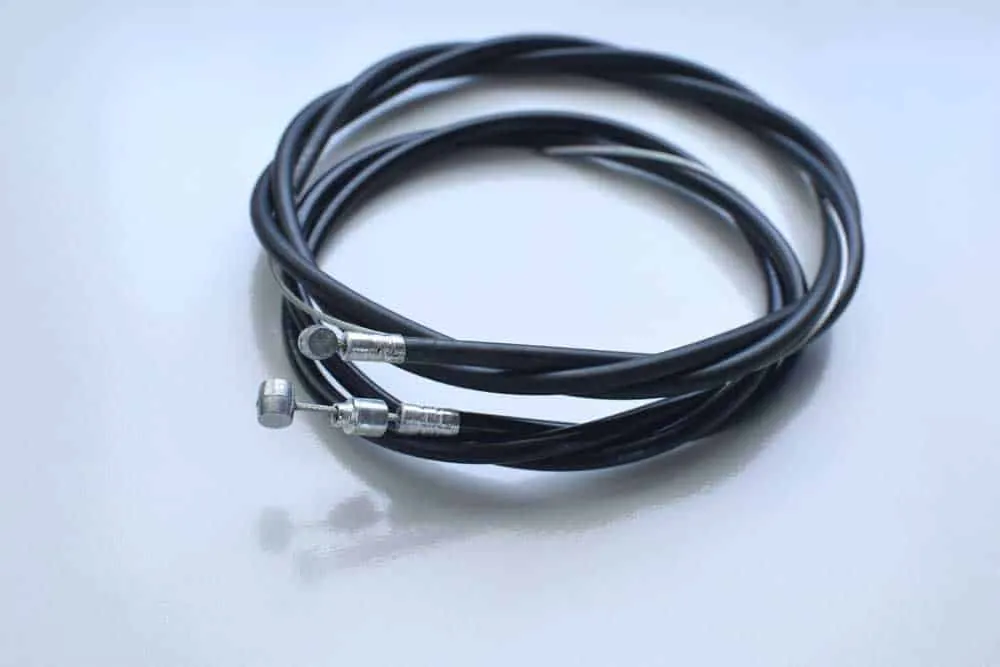
In demanding OEM environments—from automotive powertrains to aircraft flight controls—mechanical control cables remain a reliable, weight-efficient solution for transmitting push-pull or pull-pull motion. Unlike off-the-shelf components, custom control cable assemblies are designed to meet exact spatial, environmental, and load requirements, ensuring precise actuation where electronic or hydraulic alternatives may be impractical.
A control cable assembly mechanically relays an operator’s input to a remote device. It must deliver repeatable, accurate movement; survive installation in tight, complex routing paths; and endure harsh conditions such as temperature extremes, immersion in fluids, or continuous vibration. Custom designs address these demands by optimizing materials, dimensions, and terminations for the specific application.
Types of Custom Control Cables
Push-Pull Control Cables
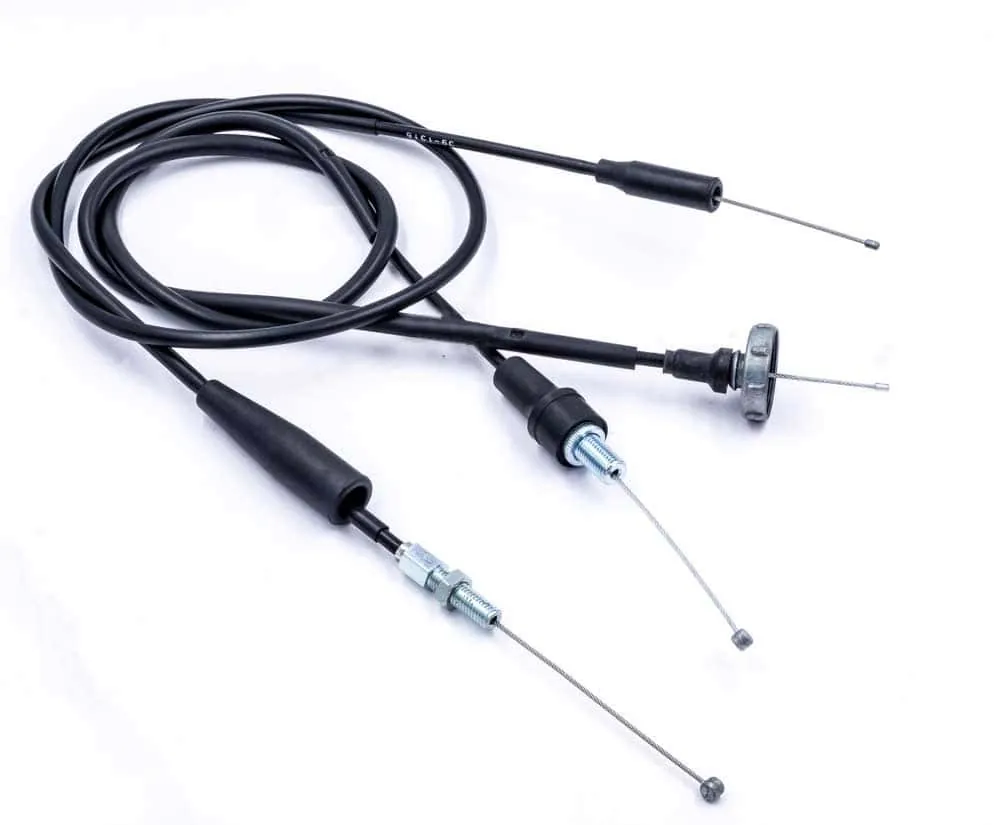
Push-pull configurations use a solid or armored core to transmit motion both in compression and tension. When the operator pushes, the core slides within the conduit to exert a pulling force at the output end—hence the term. These are common where bidirectional control is required, such as parking brake actuators or HVAC damper controls. For high‑cycle applications, armored cores are recommended to handle compression loads up to 50% of the cable’s tensile rating.
Pull-Pull Control Cables
Pull-pull cables rely on tensile force only; a return spring usually resets the mechanism. Stranded cores are typically used for flexibility, making them ideal for throttle cables, clutch levers, and similar spring-loaded controls. By design, these assemblies are only loaded in tension, which simplifies core selection and conduit construction.
Control Cable Sub-Assemblies
Conduit
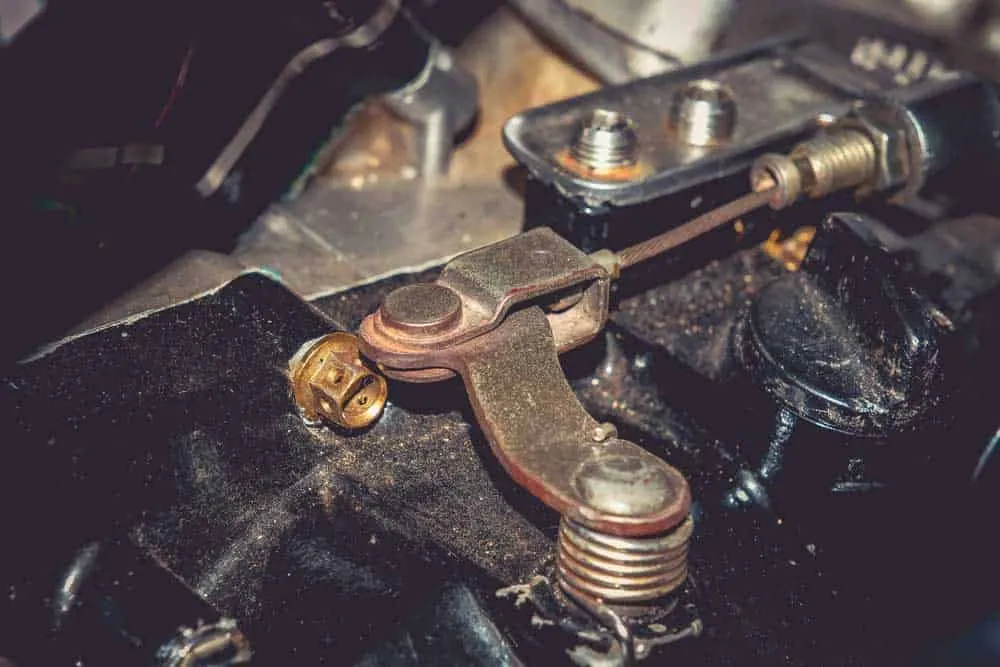
The conduit safeguards the core, provides a dedicated travel path, and prevents contaminant ingress. It comprises three layers:
- Outer jacket: Seals against moisture, dust, and chemicals; materials include nylon, polypropylene, or custom elastomers for extreme temperatures.
- Wrap: Provides flexibility and structural support. Designs vary from braided textile to flat-wire Bowden or reinforced long-lay configurations, selected based on bend radius and compression resistance.
- Liner: The low-friction inner channel. For push-pull applications, a smooth PTFE or similar lining minimizes backlash and wear.
Core
The core directly transmits the actuating force. Solid cores excel in push-pull applications because of their column strength, while stranded cores (e.g., 7×7 or 19-strand) offer superior fatigue life and flexibility for pull-pull operations. Materials range from galvanized or stainless steel to high-tensile alloys, with surface treatments to resist corrosion.
Fittings
End fittings anchor the cable to control levers and output mechanisms. Options include swaged studs, clevises, ball ends, and threaded adjusters, typically manufactured from stainless steel, zinc die-cast, or plated carbon steel. Custom machined or over-molded fittings can be designed to integrate seamlessly with OEM mounting interfaces.
Custom Control-Cable Assembly Design Considerations
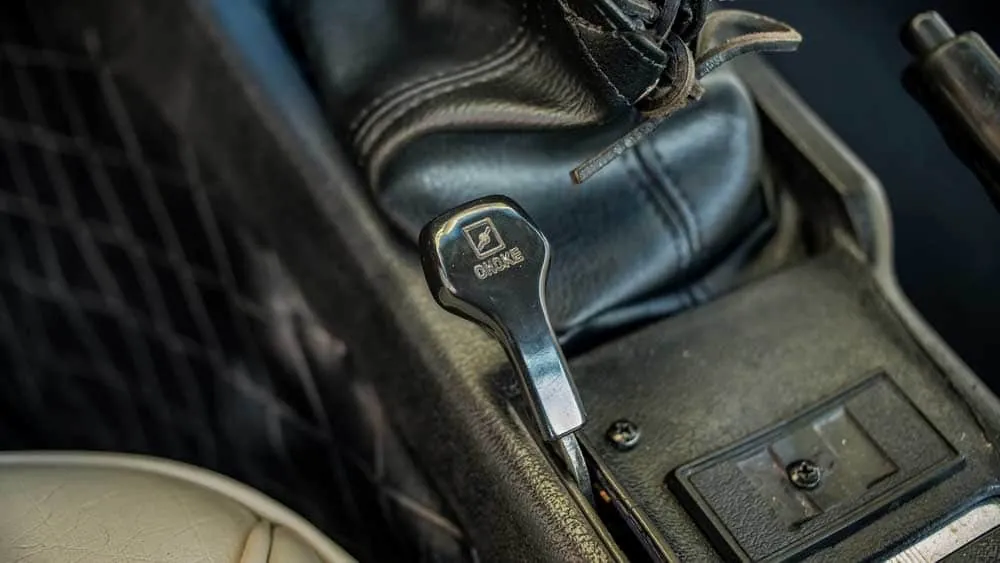
Limit Travel Dimensions
Excessive inner cable travel (beyond 50 mm / 2 inches) increases friction, promotes buckling in push-pull modes, and accelerates wear. Where possible, design the actuation system so that the relative motion between core and conduit stays within this limit.
Place More Load in the Pull Direction
Except for armored cores, the cable’s working load should always be primarily tensile. If compression is unavoidable, limit it to 50% of the rated pull load. Specifying an armored core—a solid wire wrapped in a flexible outer layer—significantly improves compression capacity and fatigue resistance.
Consider the Input Load Factor
The ratio of operator input force to output force directly impacts efficiency and ergonomics. Minimize this factor by:
- Selecting low-friction materials for liner and core.
- Optimizing routing to reduce the number of bends.
- Specifying precision-fitting tolerances to avoid internal play.
Customize the Fittings
Custom end fittings are a critical part of integrating the cable into the overall mechanism. Beyond material choice, design features like quick-connect ends, anti-rotation tangs, and integral strain relief can simplify assembly and improve reliability.
Push-Pull Cable Alignment
At the point where the core exits the conduit, the cable must be aligned as straight as possible toward the attachment point. Misalignment induces side loading, increases friction, and accelerates wear on both the core and liner.
Consider the Loss of Motion
Two sources of motion loss affect control precision:
- Backlash: Clearance between core and liner; minimized through tight manufacturing tolerances and preloaded liners.
- Deflection: Flexing of the conduit due to inadequate anchoring; correctable through robust bulkhead mounts and support clips during installation.
Avoid Tight Bends (Short Radii)
Routing should avoid sharp bends. As a rule, the minimum bend radius should be at least 8 times the outer conduit diameter for solid cores, and at least 5 times for stranded cores. Using larger radii reduces both static and dynamic friction, extending service life.
Custom Control Cable Applications
Custom mechanical control cables are specified in virtually every industry requiring simple, reliable remote actuation:
- Automotive: Clutch, throttle, parking brake, hood and fuel-filler releases.
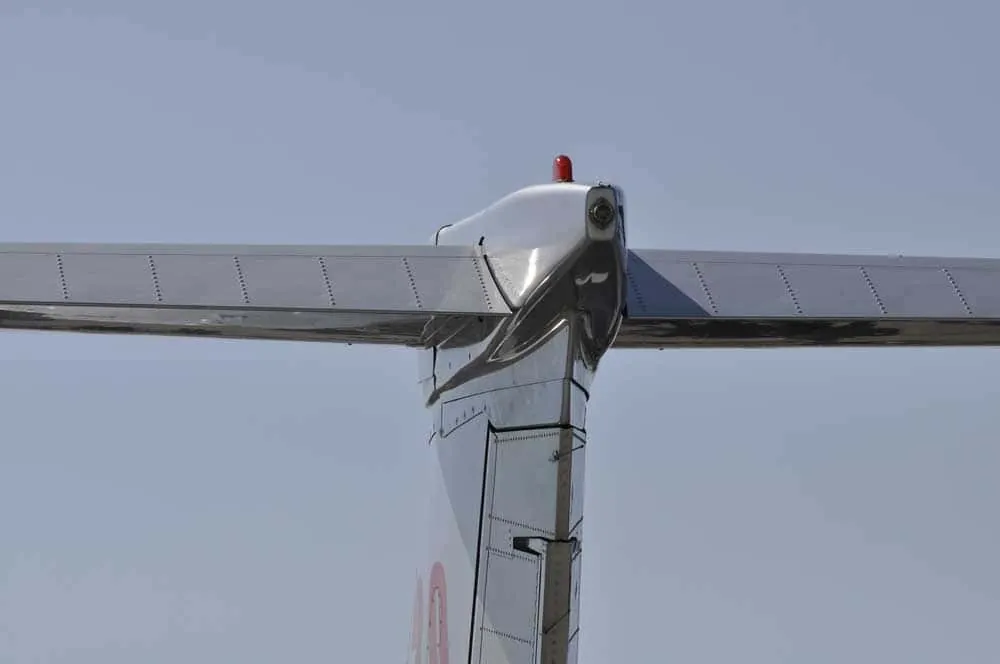
- Aerospace: Trim tab actuators, rudder and aileron linkages, thrust reverser controls.
- Off-Highway & Construction: Hydrostatic drive controls, throttle levers, PTO engagement.
- Medical: Patient lift actuators, surgical table positioners, wheelchair drives.
- Marine: Steering and throttle controls, trim systems.
- EV & Alternative Energy: Manual disconnect switches, charging port locks, battery service doors.
Design for Manufacturing (DFM) and Certification Considerations
OEM procurement teams require not only a well‑engineered component but also manufacturing processes that comply with industry‑specific quality standards. Custom control cable suppliers should hold and demonstrate adherence to the following certifications:
- IPC/WHMA‑A‑620: This is the overarching standard for cable and wire harness assemblies. It defines acceptability criteria for crimping, soldering, routing, and overall workmanship, ensuring consistency and reliability in mass production. A manufacturer fully compliant with IPC/WHMA‑A‑620 can provide detailed process documentation, first‑article inspections, and traceability throughout the build.
- IATF 16949: For automotive OEMs and Tier‑1 suppliers, ISO 9001 certification is often mandatory. It extends ISO 9001 with requirements specific to defect prevention, supply chain management, and continuous improvement in high‑volume production. Control cable assemblies with IATF‑compliant manufacturing guarantee robust process controls, materials management, and quality metrics.
- AS9100 and ISO 13485: Aerospace and medical applications demand an even higher layer of rigor. AS9100 adds risk management, configuration control, and product‑safety clauses for the aviation, space, and defense sectors. ISO 13485 governs medical device manufacturing, emphasizing documentation, validation, and traceability to ensure patient safety. If the cable is intended for use in a certified aircraft or a medical device system, the supplier must hold the relevant registration and be able to support the OEM’s regulatory submissions.
When designing for manufacturing, close collaboration with the supplier’s engineering team early in the development process can reduce lead times and costs. Recommendations include standardizing on preferred materials, confirming bend‑radius requirements before finalizing routing, and involving DFM reviews to avoid features that complicate automated inspection or assembly.
Summary
Custom mechanical control cable assemblies offer a proven, versatile method of remote actuation. By carefully managing travel, load direction, material selection, and routing, design engineers can create systems that deliver precise, long‑lasting performance. Partnering with a manufacturer certified to IPC/WHMA‑A‑620, IATF 16949, AS9100, or ISO 13485 ensures the final product meets the rigorous demands of the automotive, aerospace, or medical market—from initial concept through serial production.
An earlier version of this article first appeared on autowiringpro.com. This version has been rewritten and updated for OEM and procurement audiences.