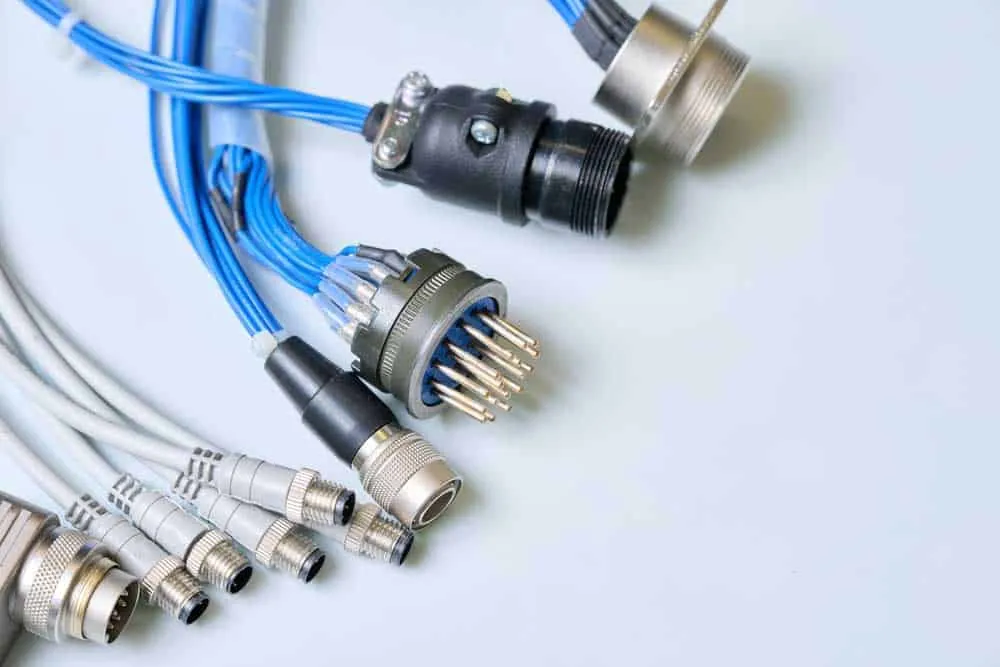
For OEM buyers and procurement engineers specifying cable assemblies for harsh environments—including high-pressure washdowns, repeated flexing, and exposure to contaminants—overmolding offers a robust, integrated solution.
What is Cable Overmolding?
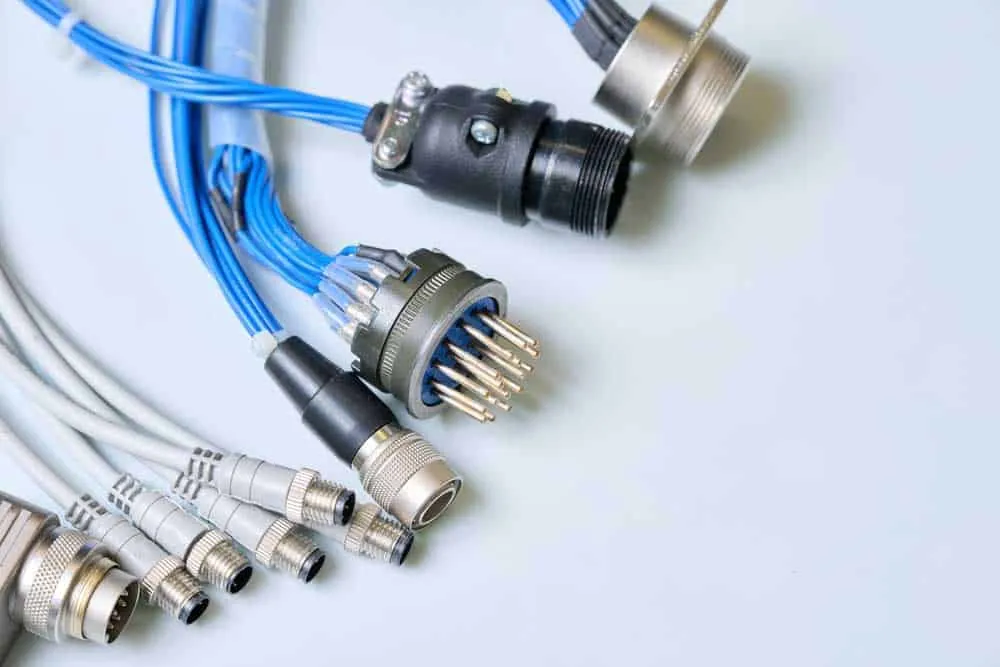
Overmolding is a manufacturing process where an unjacketed cable assembly, typically consisting of wires, connectors, and sometimes electronic components, is placed into a custom-designed mold tool. Molten material—such as thermoplastic elastomers (TPE), polyurethane (PU), or nylon—is injected under pressure to form a seamless, protective encasement around the assembly. This produces a fully integrated, sealed product ready for handling, testing, and installation.
Mold Tool Design and Material Selection
Tooling Material
Tooling material selection depends on production volume and cycle life:
- Hardened Steel: Highest durability for high-volume production; withstands millions of cycles.
- Aluminum: Cost-effective for prototyping or low-volume runs; shorter tool life.
- 3D-Printed Inserts: Suitable for very low volumes, testing, or quick-turn projects; limited to approximately 100 cycles.
Tooling Design
Mold cavity design significantly impacts part quality and throughput. Single-cavity molds produce one part per cycle, while multi-cavity designs can increase output but require precise gate and runner balancing to ensure uniform fill and avoid defects such as voids or air traps.
Molding Material
The molding material must be compatible with the tooling and the intended application environment. Thermoplastic resins are suitable for aluminum or steel tools, while liquid injection processes often require hardened steel to withstand higher pressures. Common overmold materials include PVC, TPE, TPU, nylon, and polypropylene, each offering distinct chemical resistance, flexibility, and temperature performance.
Molding Process
The injection molding process begins with resin pellets (often mixed with colorants) fed into a heated barrel via a hopper. A reciprocating screw melts and conveys the material to the mold cavity. The screw then injects a precisely metered 'shot' of molten resin into the closed mold. Pressure is maintained until the material at the gate—the narrowest point—solidifies. Cooling is accelerated by circulating water or oil through mold channels. Once solidified, the mold opens and the finished overmolded assembly is ejected via pins or mechanical fingers. The machine then prepares the next shot, enabling high-throughput production.
Benefits of Cable Overmolding
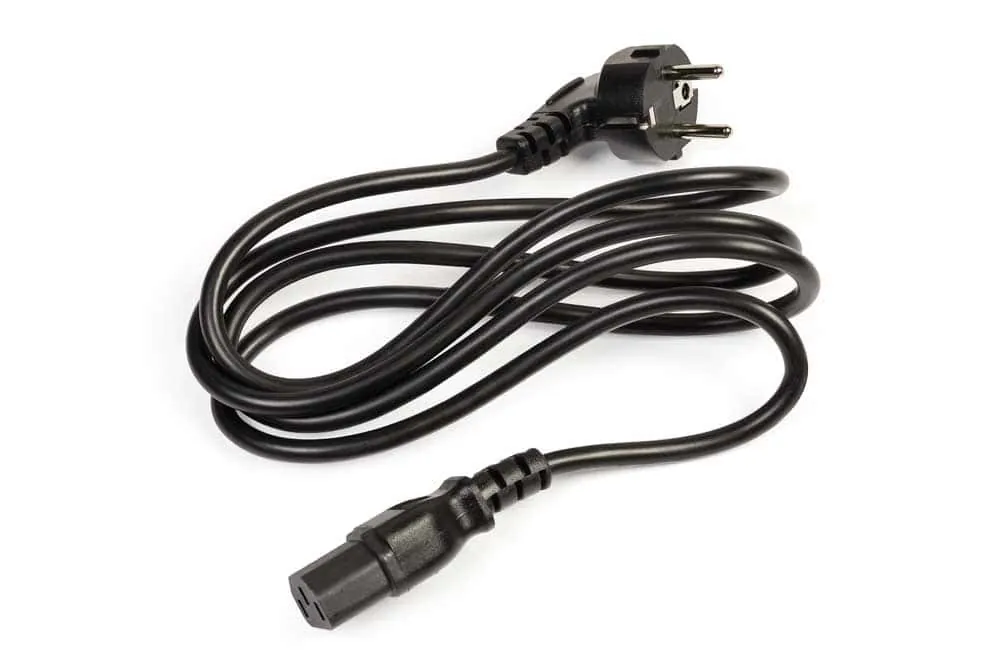
Enhanced Environmental Protection
Overmolding creates a hermetic seal around connectors and cable junctions, preventing moisture, dust, and chemical ingress. This is critical for assemblies subjected to IP67 or IP69K washdown requirements in food processing, automotive, and off-road equipment. The bond between the molded material and the cable jacket eliminates internal movement, ensuring long-term electrical performance and mechanical integrity. Additionally, the robust outer layer shields internal components from impact and abrasion during handling and operation.
Space-Efficient Integration
Compared to mechanical backshells and heat-shrink boots, overmolding reduces overall assembly height and volume. This compact profile enables designers to minimize equipment enclosure sizes, a key advantage in space-constrained applications like electric vehicle battery packs, avionics boxes, and robotic joints.
Customization for Application-Specific Performance
With custom mold tooling, overmold geometry can be optimized to prevent cable failure at exit points. Strain relief features such as tapered transitions, 45° or 90° bends, and integrated grommets extend flex life and mitigate stress concentrations. The ability to embed logos, part numbers, and color coding directly into the mold supports traceability and installation efficiency.
Reduced Assembly and Installation Errors
Overmolded assemblies arrive as ready-to-install units, eliminating the need for additional assembly steps. This reduces labor, simplifies inventory, and minimizes the risk of incorrect installation, which is particularly valuable in production lines and field maintenance scenarios.
Design for Manufacturing (DFM) and Certification Considerations
To ensure overmolded cable assemblies meet industry and regulatory standards, adherence to Design for Manufacturing (DFM) principles is essential. DFM encompasses mold design optimization for efficient material flow, proper venting, and consistent wall thicknesses to prevent defects and ensure repeatability. Beyond the molding process, the finished assembly must comply with relevant workmanship and quality standards.
For general cable and wire harness assemblies, IPC/WHMA-A-620 is the globally recognized standard. It sets criteria for soldering, crimping, and molding acceptability. Organizations producing automotive-grade assemblies should also comply with IATF 16949, which extends ISO 9001 with defect prevention and supply chain management requirements critical to automotive OEMs. Aerospace programs typically require AS9100 certification, which adds additional rigor for traceability, risk management, and configuration control. In medical device applications, ISO 13485 governs quality management systems to ensure consistent product safety and efficacy.
Our engineering team integrates DFM analysis early in the design phase, collaborating with your engineers to validate material selection, mold flow simulation, and adherence to the necessary standards. This proactive approach reduces non-recurring engineering costs, accelerates time-to-market, and delivers assemblies that pass first-article inspection requirements.
Custom Overmolding Services at Cable Harness Assembly
At Cable Harness Assembly, we offer comprehensive overmolding capabilities tailored to OEM requirements, including:
- Custom mold designs (straight, right-angle, multi-port, military-spec circular connectors)
- Broad material selection (TPR, PVC, TPU, nylon, polypropylene, polyurethane)
- Logo and label integration for permanent identification
- Color customization for branding or circuit identification
- Overmolding of pre-assembled connectors and backshells
- 3D modeling and rapid prototyping to reduce development lead times
- Integration of attachment hardware (flanges, clips, grommets)
- Quick-turn production using our extensive library of standard mold tools
Conclusion
For demanding OEM environments, overmolding is a proven method to enhance cable assembly reliability, reduce overall assembly size, and streamline installation. Partner with Cable Harness Assembly to leverage our tooling expertise, material science knowledge, and rigorous quality processes for your next project. Contact our engineering team to discuss your specific overmolding requirements.
An earlier version of this article first appeared on autowiringpro.com. This version has been rewritten and updated for OEM and procurement audiences.