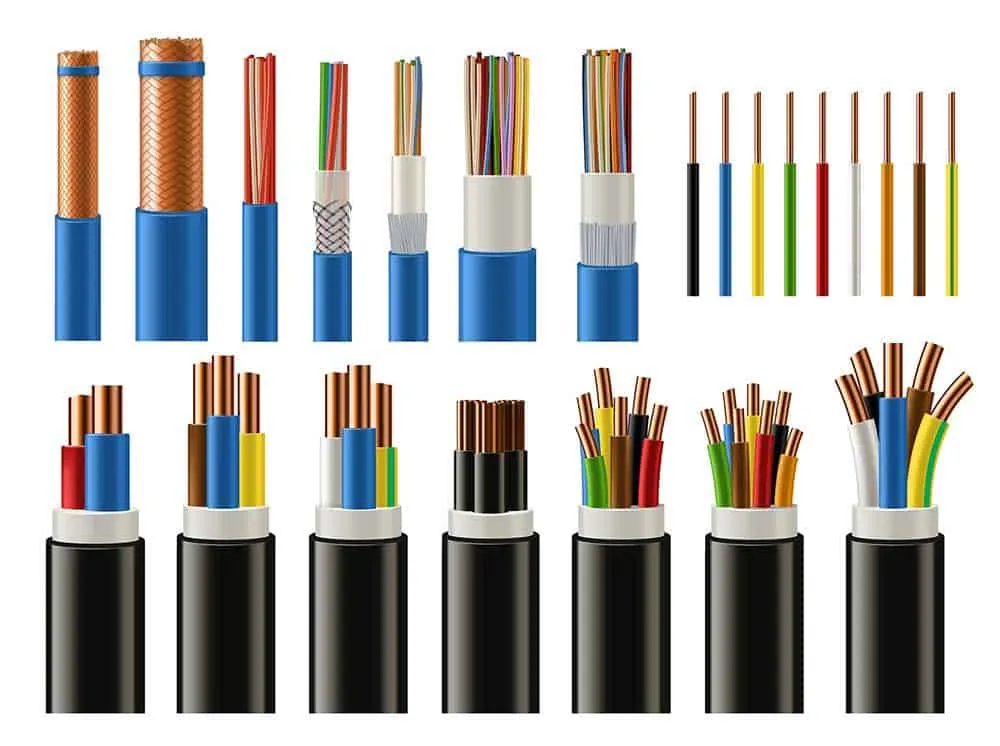
Designed to meet the stringent requirements of OEMs, EV manufacturers, and aerospace primes, custom cable fabrication is critical for device performance, safety, and compliance. High-quality cable assemblies reduce risk, ensure signal integrity, and extend product lifecycles. Below, we examine the key factors procurement and engineering teams must evaluate when specifying custom cable designs.
Cable Material Selection for Performance and Compliance
The reliability of a custom cable assembly starts with its materials. Substandard components can lead to premature failure, electrical overheating, and safety hazards—consequences unacceptable in industrial, automotive, or aerospace applications. Each material choice must balance electrical performance, mechanical durability, and environmental resistance.
Conductor Options: Copper and Its Alloys
Copper remains the industry standard for conductors due to its excellent conductivity, ductility, and malleability. In applications where tensile strength is critical—such as high-vibration environments—manufacturers may specify copper-clad steel or copper alloys. These alternatives maintain conductivity while providing enhanced break strength.
Sheathing Materials: Insulation and Environmental Protection
Sheathing selection hinges on the insulation requirements and the operating environment. Thermoplastic sheaths offer flexibility and cost-effectiveness for general use, while thermoset materials provide superior heat and chemical resistance for harsh conditions. OEMs must define temperature range, exposure to fluids, and flame-retardancy needs to guide material specification.
Shielding Effectiveness for EMI/RFI Control
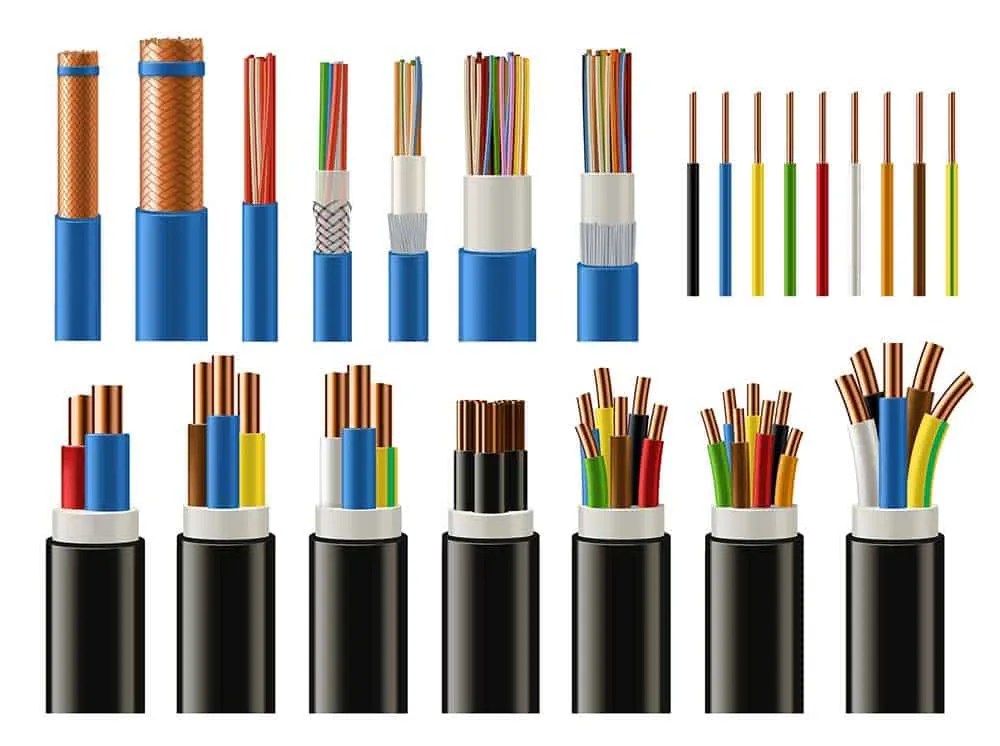
Electromagnetic interference (EMI) and radio frequency interference (RFI) can disrupt signal transmission, leading to data errors or system malfunction. Effective shielding is non-negotiable in applications such as EV powertrains, avionics, or medical devices. Design options include metal foil wraps, braided shields, or combined foil-and-braid configurations, with the latter offering the highest attenuation. The figure below illustrates various cable construction approaches that integrate shielding.
Connector Design and Stress Relief
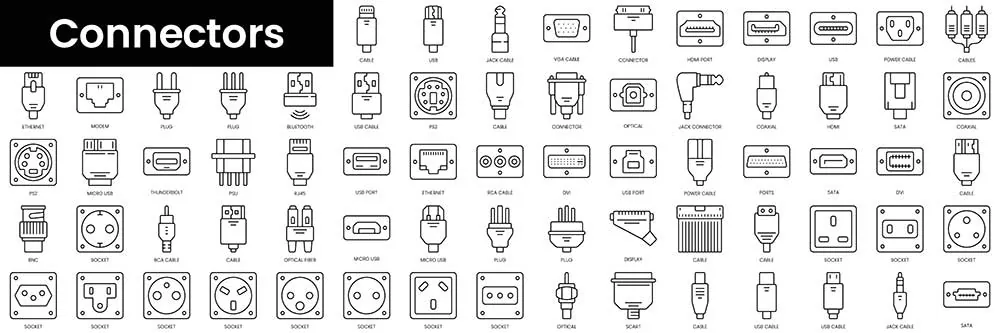
Connectors are often the weakest link in a cable assembly. Mechanical stress, vibration, and improper mating can cause connector failure, leading to intermittent signals or complete system downtime. Procurement engineers should evaluate connector selection based on signal type, mating cycles, and environmental sealing requirements. Integrated strain relief features reduce stress at termination points, extending the life of the assembly. Below is a selection of connector types commonly used in custom harnesses.
Rigorous Testing Protocols
To ensure field reliability, every custom cable assembly must undergo comprehensive testing before deployment. Industry-standard electrical safety tests verify performance and identify defects early. Key tests include:
- VSWR (Voltage Standing Wave Ratio) testing for RF assemblies
- Continuity and resistance checks to detect open or short circuits
- Hipot (high potential) testing to validate insulation integrity
These procedures catch intermittent connections, resistance thresholds, and contact isolation issues, guaranteeing that only fully compliant assemblies reach the production line.
Compliance and Quality Certifications
Certifications confirm that a cable assembly supplier adheres to internationally recognized standards. Procurement teams should look for:
- IPC/WHMA-A-620: Requirements and acceptance for cable and wire harness assemblies
- ISO 9001: Quality management system fundamentals
- UL and CSA registration: Safety compliance for North American markets
- ITAR registration: Essential for defense and aerospace contracts
These certifications provide assurance that manufacturing processes and materials meet rigorous quality and safety benchmarks.
Design for Manufacturing (DFM) and Certification Considerations
Integrating Design for Manufacturing principles early in the cable assembly development cycle optimizes production efficiency and reduces lifecycle costs. DFM focuses on simplifying harness layout, minimizing component count, and ensuring compatibility with automated assembly processes. By engaging a supplier with DFM expertise, OEMs can avoid costly redesigns and accelerate time-to-market.
From a certification perspective, the applicable standard depends on the end market. Automotive OEMs and EV manufacturers must demand compliance with IATF 16949, which extends ISO 9001 with additional automotive-specific requirements for defect prevention and supply chain quality. For aerospace primes, AS9100 certification includes rigorous controls for traceability, risk management, and airworthiness. Medical device interconnect solutions require ISO 13485, ensuring strict process controls and documentation for patient safety. A capable cable assembly partner will hold these certifications and integrate the corresponding disciplines into every project, from prototype to full-rate production.
Aligning with the appropriate certification framework not only fulfills regulatory obligations but also streamlines supplier qualification and reduces audit overhead for the buyer. It is a critical differentiator when selecting a cable harness manufacturer.
Conclusion: Partnering for Reliable Custom Cable Assemblies
Achieving a safe, high-performance custom cable assembly demands meticulous attention to materials, design, testing, and compliance. By partnering with an experienced manufacturer that understands the unique needs of OEM, EV, and aerospace applications, procurement engineers can secure assemblies that enhance product reliability and reduce total cost of ownership. To discuss your specific cable fabrication requirements, contact the engineering team at CableHarnessAssembly.com.
An earlier version of this article first appeared on autowiringpro.com. This version has been rewritten and updated for OEM and procurement audiences.