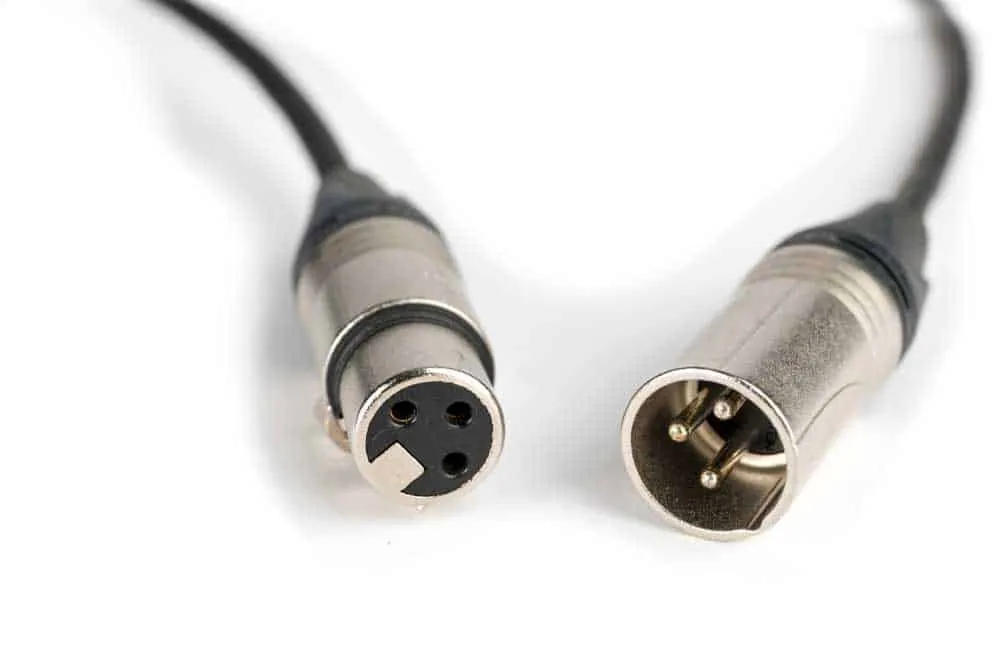
Automotive wire harness connectors are pivotal components in vehicle electrical systems, ensuring reliable signal and power distribution. For OEM buyers and procurement engineers, selecting the appropriate connector type requires a thorough understanding of mechanical interfaces, environmental sealing, and electrical performance to prevent field failures.
Connector Fundamentals and Critical Components
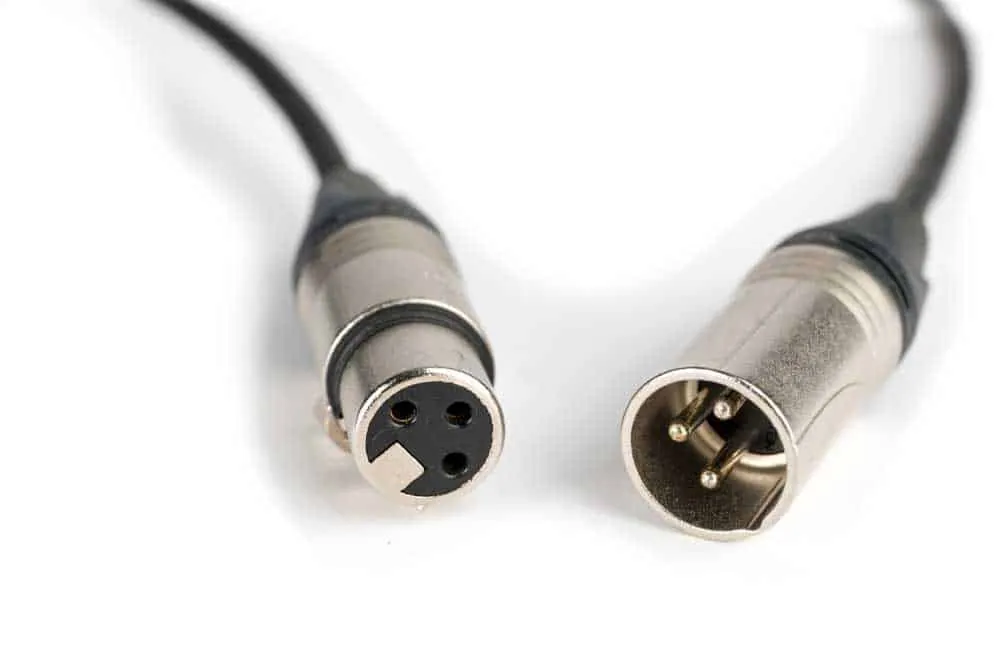
A typical connector comprises four key elements that dictate its performance in harsh underhood or chassis environments.
Shell and Mechanical Locking
The outer shell provides structural integrity and alignment during mating. Material selection for the shell—typically engineered thermoplastics or die‑cast metals—must maintain dimensional stability across the operating temperature range and resist chemical exposure from automotive fluids.
Contact Elements: Pins and Sockets
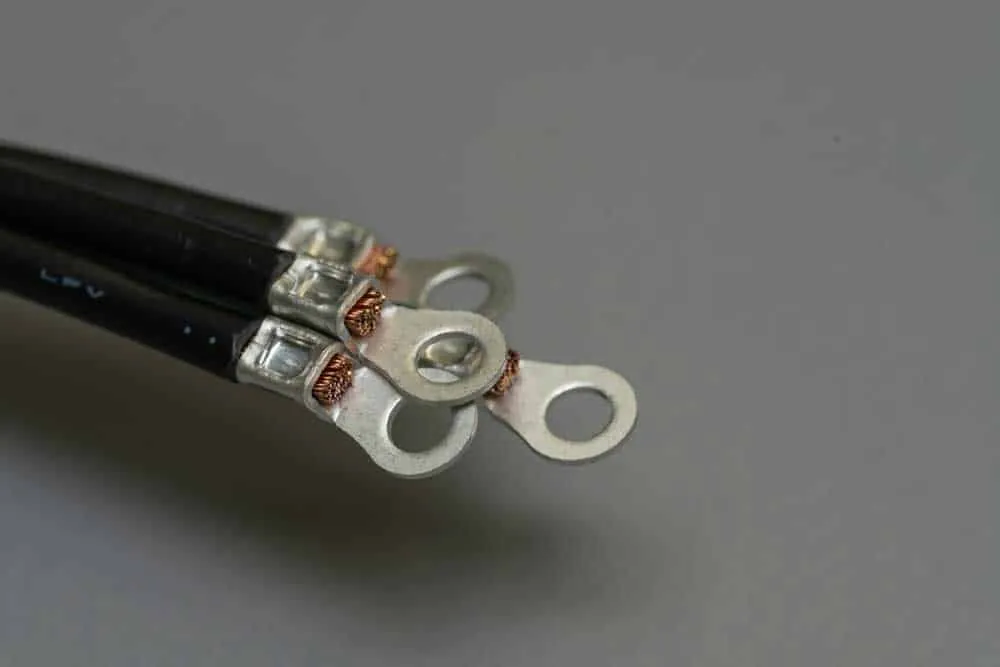
Male pins and female sockets form the electrical interface. Contact design, plating (e.g., gold, tin), and base material (brass, phosphor bronze) directly influence conductivity, mating cycles, and resistance to fretting corrosion. Proper crimp force and extraction values are essential for long‑term reliability.
Retainer Mechanisms
Retainers, either plastic clips or metal latches, lock the connector halves together to maintain electrical continuity under vibration. They are designed to withstand insertion/withdrawal cycles while providing tactile or audible confirmation of full mating.
Environmental Seals
Rubber or silicone seals protect the contact interface from moisture, dust, and contaminants. Seals also maintain contact spacing and can be incorporated in the connector body or as individual wire seals to achieve the required IP rating.
Application‑Based Connector Grouping for Infotainment Systems
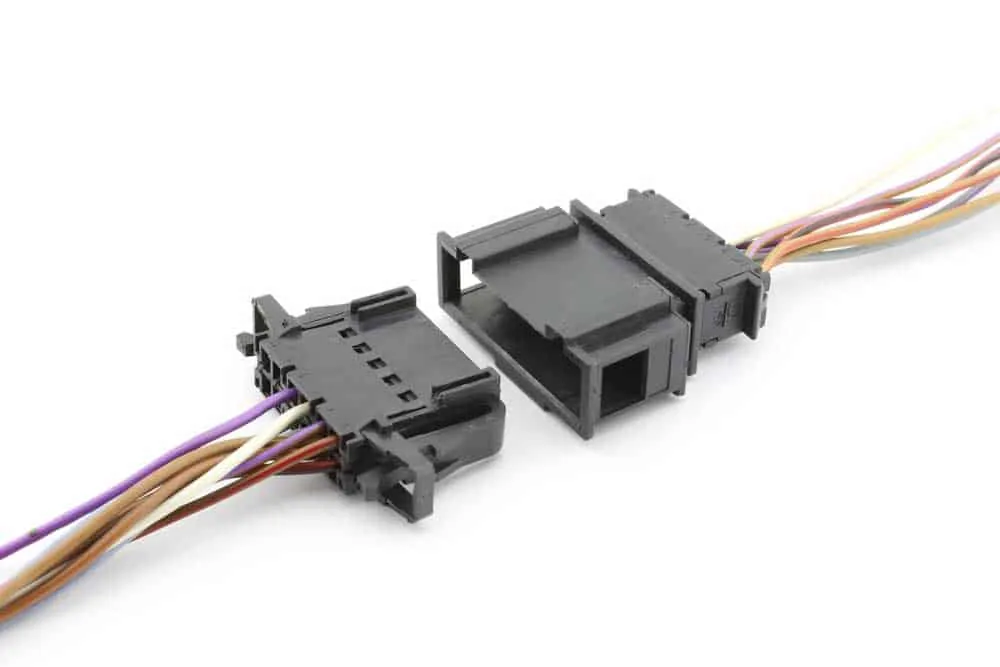
Many vehicle platforms group connectors by system function, particularly in infotainment architectures. While legacy classifications still appear in some design specifications, understanding them supports backward compatibility and serviceability.
A‑Group: Head Unit Power and Control
Connectors that supply power, antenna, and control signals to the head unit.
B‑Group: Audio Interfaces
Dedicated to linking the head unit with speakers; often feature multiple twisted‑pair contacts for noise rejection.
C‑Group: Peripheral Device Interconnects
Interface with CD changers, remote controls, amplifiers, and other accessories.
D‑Group: Satellite Navigation Links
Connect GPS antennas and satnav modules to the head unit.
Connector Types by Interface and Construction
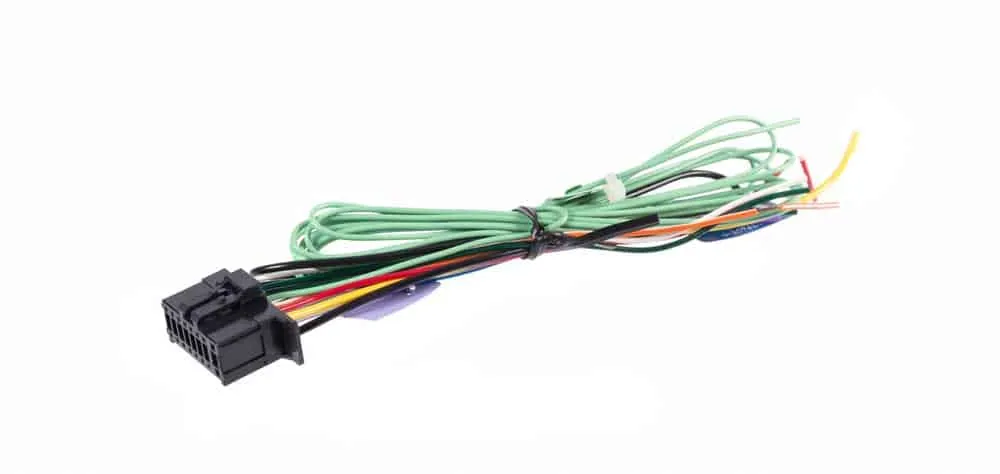
Beyond application groupings, connectors are classified by their mechanical and termination style. OEM procurement teams must evaluate these based on assembly process and field service requirements.
Multi‑Pin Sealed Connectors
Enclosed 2‑ to 8‑pin variants that occupy minimal space while providing high‑integrity sealing. Popular in engine compartments and door harnesses.
Terminal Blocks and Screw‑Type Connectors
Utility connectors using screw‑clamp terminations for field‑serviceable joints. Suited for internal power distribution where periodic inspection is anticipated.
Wire‑to‑Wire, Wire‑to‑Board, and Board‑to‑Board Connectors
- Wire‑to‑Wire: Join two terminated harnesses, often via sealed inline receptacles.
- Wire‑to‑Board: Connect harnesses to PCBs; most ECU interfaces fall here.
- Board‑to‑Board: Directly stack PCBs or use short flex circuits to absorb vibration.
Seamless vs. Seam Type Crimp Connectors
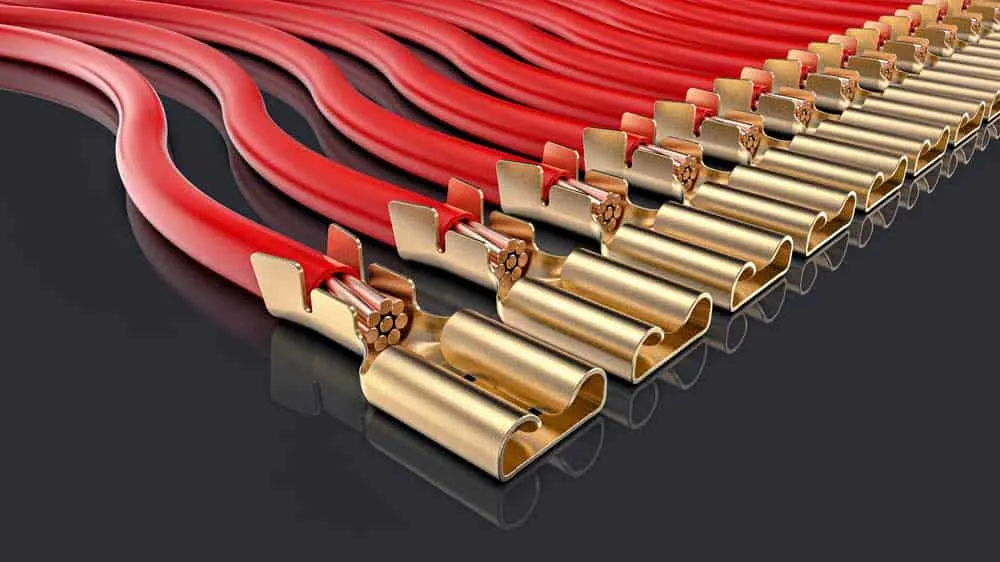
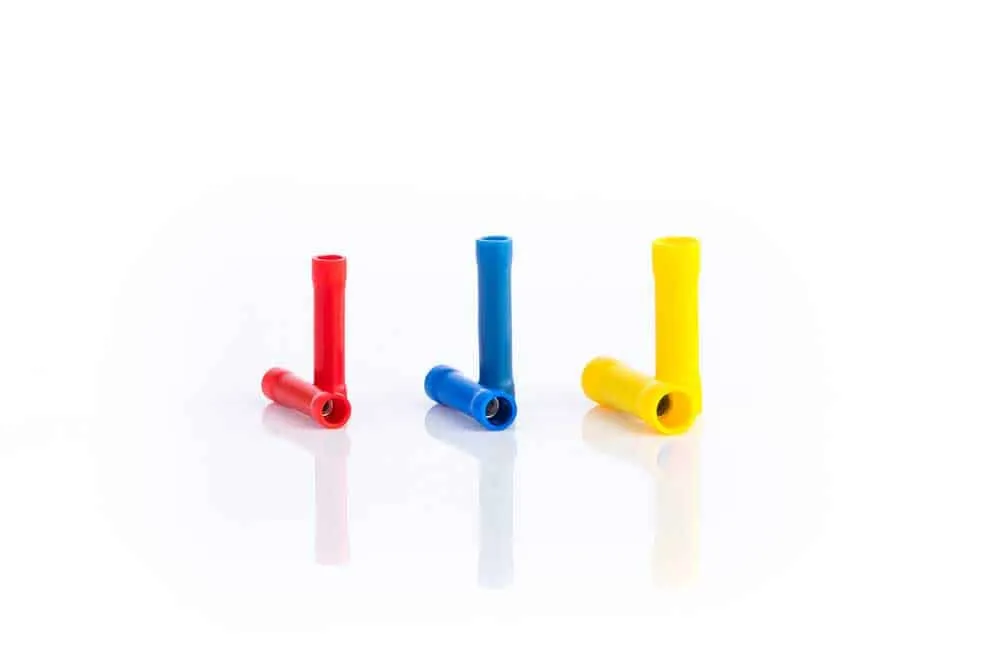
Both are cylindrical crimp splices, but seamless connectors start from drawn tubing while seam‑type are rolled from flat stock. Seam‑type can accommodate wider tolerance ranges due to their sliding seam during crimping.
Insulated and Non‑Insulated Options
Insulated connectors have pre‑applied sleeves (vinyl, nylon, or heat‑shrink) that speed termination. Non‑insulated ones require subsequent covering with heat‑shrink tubing. Selection depends on process automation and environmental sealing needs.
High‑Current AWG Distribution Connectors
Up to 4 AWG conductors, these handle high amperage in battery packs, EV charging inlets, and high‑power distribution boxes. They feature robust locking and silver/nickel‑plated contacts.
Heat‑Shrinkable Insulated Connectors
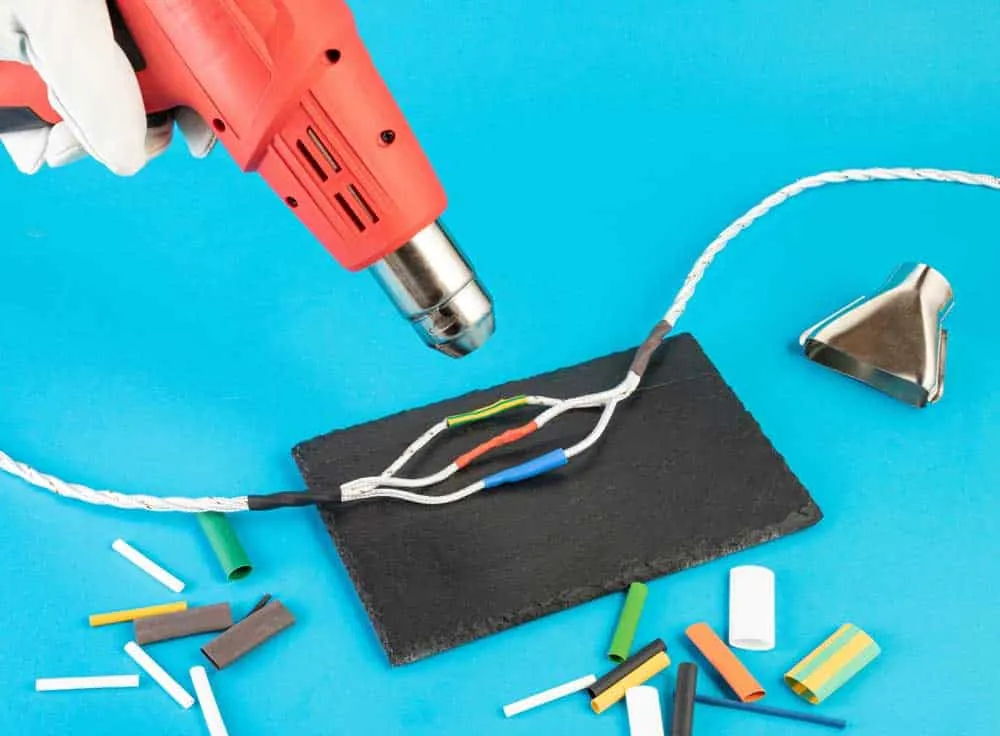
Combine a crimp barrel with an integral heat‑shrink jacket. Once shrunk, they form a waterproof, strain‑relieved termination ideal for marine and off‑highway vehicles.
Environmental and Performance Classification per USCAR Standards
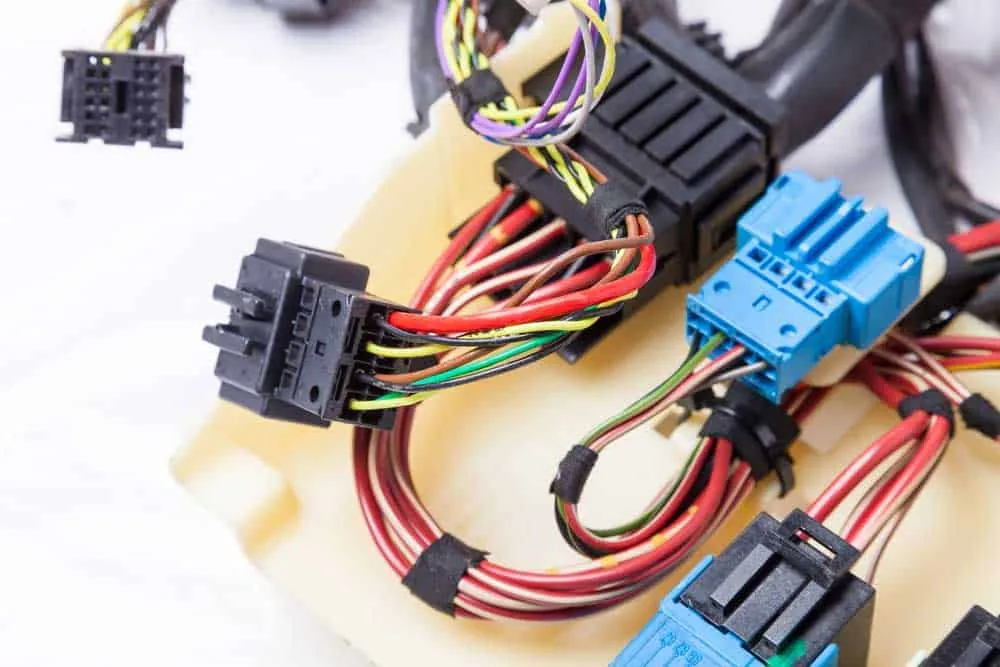
Adherence to USCAR (e.g., USCAR‑2, USCAR‑21) performance classes ensures connectors meet application‑specific temperature, vibration, and sealing requirements.
Temperature Classes T1–T5
- T1 (-40 to 85°C): Legacy, not for new designs.
- T2 (-40 to 100°C): Passenger compartment.
- T3 (-40 to 125°C): Engine compartment.
- T4 (-40 to 150°C): Hot engine zones.
- T5 (-40 to 175°C): Extreme thermal exposure.
Vibration Profiles V1–V5
- V1: Chassis, not engine‑mounted.
- V2: Engine‑attached, moderate vibration.
- V3: Severe on‑engine vibration.
- V4: Extreme vibration locations.
- V5: Unsprung, wheel‑mounted components.
Sealing Levels S1–S3
- S1: Unsealed, dry zones (cabin/trunk).
- S2: Sealed, exposed areas (engine bay, doors).
- S3: High‑pressure spray sealing (IP6K9K).
Design for Manufacturing (DFM) and Certification Considerations
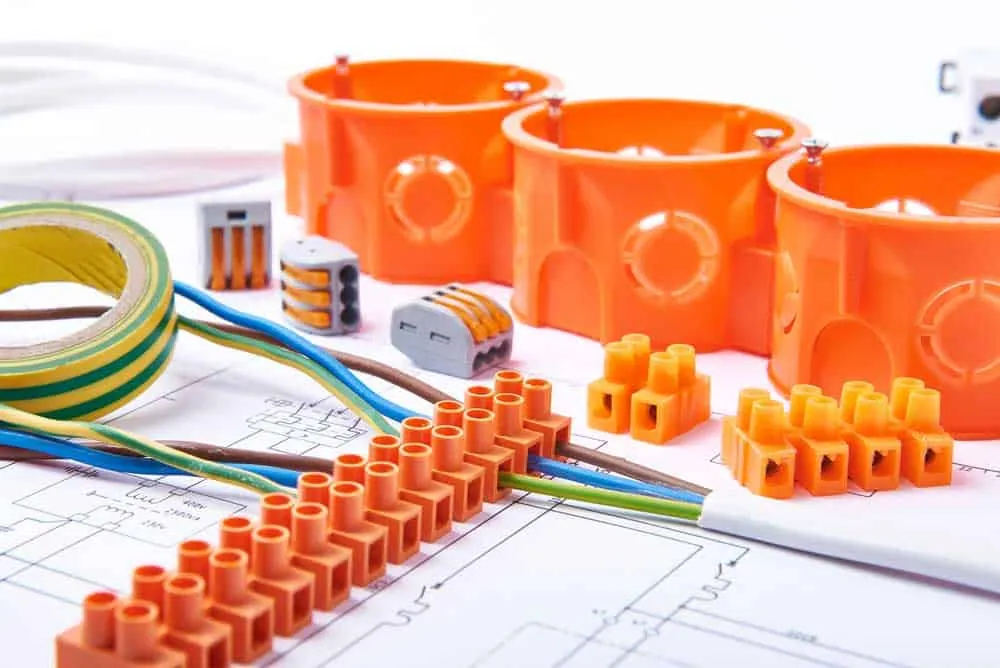
Adherence to IPC/WHMA‑A‑620 is mandatory for wire harness assembly workmanship, defining criteria for crimp quality, insulation, and strain relief. Procurement teams should verify that suppliers hold valid certifications and conduct regular internal audits. For automotive applications, IATF 16949 compliance ensures a robust quality management system with continuous improvement and defect prevention, minimizing production risks.
Aerospace and defense programs require AS9100 certification, which adds rigorous configuration management, risk assessment, and traceability clauses. Similarly, medical device harnesses call for ISO 13485 to govern design controls and process validation. When selecting connectors for regulated environments, engineering must confirm that the complete assembly—including seals, platings, and lubricants—complies with the applicable standards.
Collaborating early with harness manufacturers on DFM reviews can reduce rework and optimize connector placement, ensuring that automation (e.g., robotic crimping) is feasible. Specifying qualification‑tested, standard connectors from approved vendor lists accelerates time‑to‑market while maintaining compliance and supply‑chain resilience.
Conclusion
Selecting automotive wire harness connectors involves balancing electrical, mechanical, and environmental demands while navigating diverse industry standards. Early engagement with an experienced harness manufacturer—combined with rigorous DFM and certification checks—delivers reliable connectivity and reduced warranty exposure for OEM programs.
An earlier version of this article first appeared on autowiringpro.com. This version has been rewritten and updated for OEM and procurement audiences.