
Engineering Intelligent Wire Harness Systems for Modern Vehicle Platforms

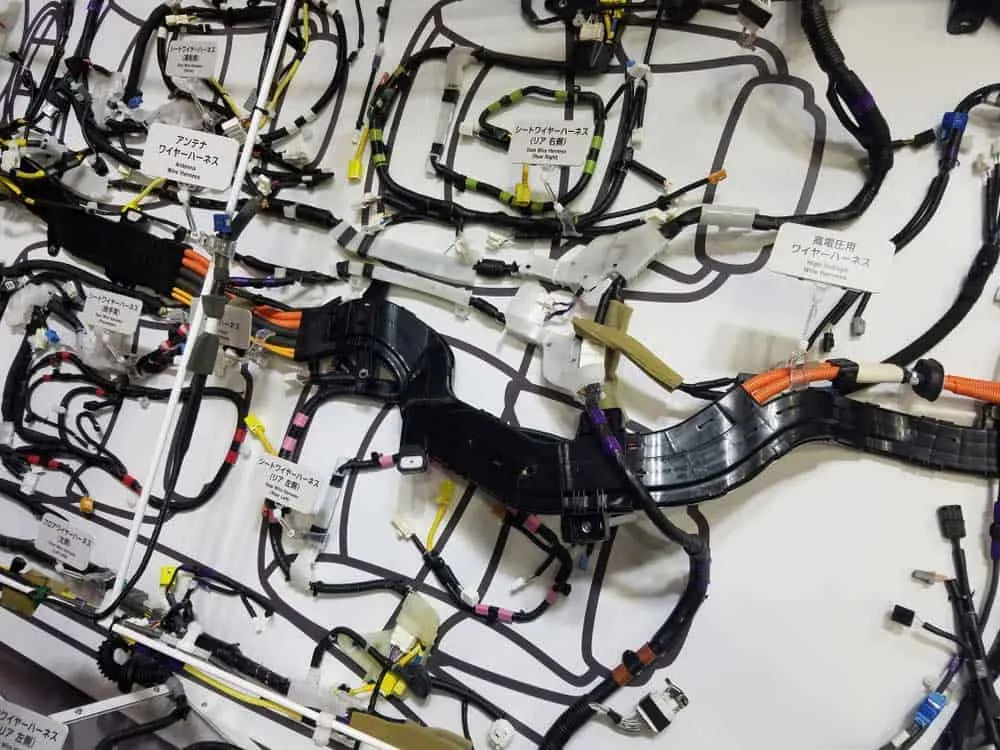
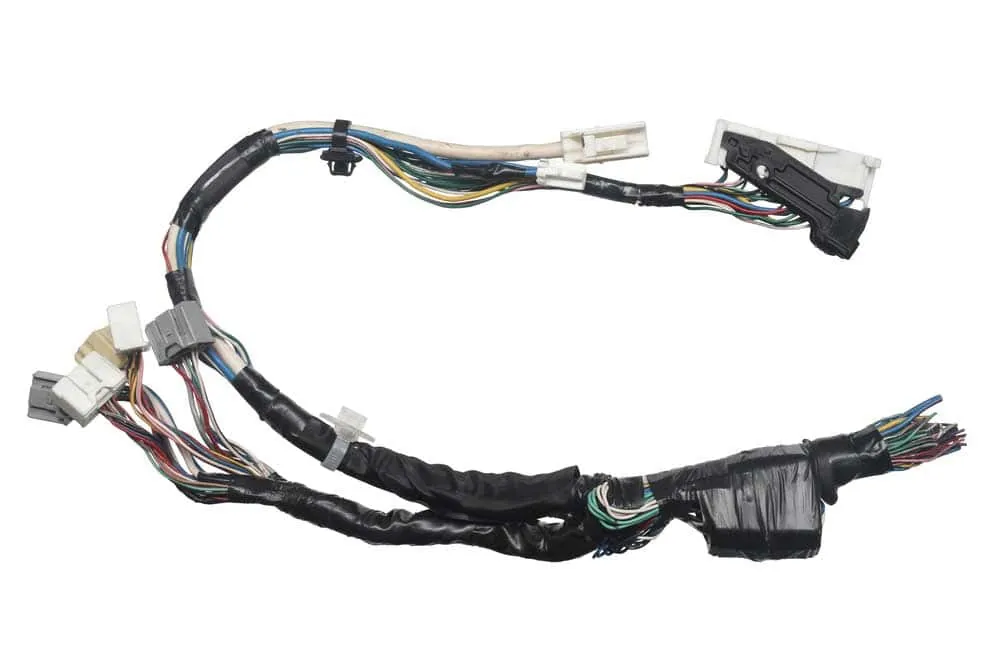
As vehicle technology advances toward electrification and autonomy, OEMs and Tier-1 suppliers require wire harness solutions that integrate power distribution, data communication, and diagnostics within a single, lightweight architecture. Smart wire harnesses replace traditional point-to-point wiring with electronic power distribution modules and network protocols (CAN, LIN, Ethernet) to create adaptive electrical systems that enhance vehicle performance, reliability, and manufacturing efficiency.
Key engineering features include:
-
Data Communication Networks: Real-time signal exchange between ECUs, sensors, and actuators enables advanced functions such as ADAS, predictive maintenance, and over-the-air (OTA) software updates.
-
Integrated Diagnostics: Continuous health monitoring of circuits and components allows for proactive fault detection and reduced warranty claims.
-
Weight and Space Optimization: By consolidating wiring and using smaller-gauge wires with intelligent load management, harness mass is reduced by up to 30%, directly improving fuel economy or EV range.
-
Modular Vehicle Architecture: Scalable designs facilitate faster assembly, simplified serviceability, and multi-platform reuse across vehicle lines.
-
Energy Management: Smart harnesses selectively power only the circuits required for a given operating condition, minimizing parasitic loss and supporting start-stop and micro-hybrid systems.
-
User Interface Connectivity: High-speed data links connect central infotainment, instrument clusters, and HMI touchscreens, enabling seamless voice, gesture, and touch control.
-
Remote Access and Telematics: Integrated cellular and CAN interfaces allow remote start, climate preconditioning, and fleet data collection via smartphone apps or cloud platforms.
Application Domains for Smart Wire Harnesses in Automotive and Aerospace

Smart wire harnesses are deployed across critical vehicle domains to meet strict performance and safety requirements.
Advanced Driver-Assistance Systems (ADAS) and Autonomous Driving
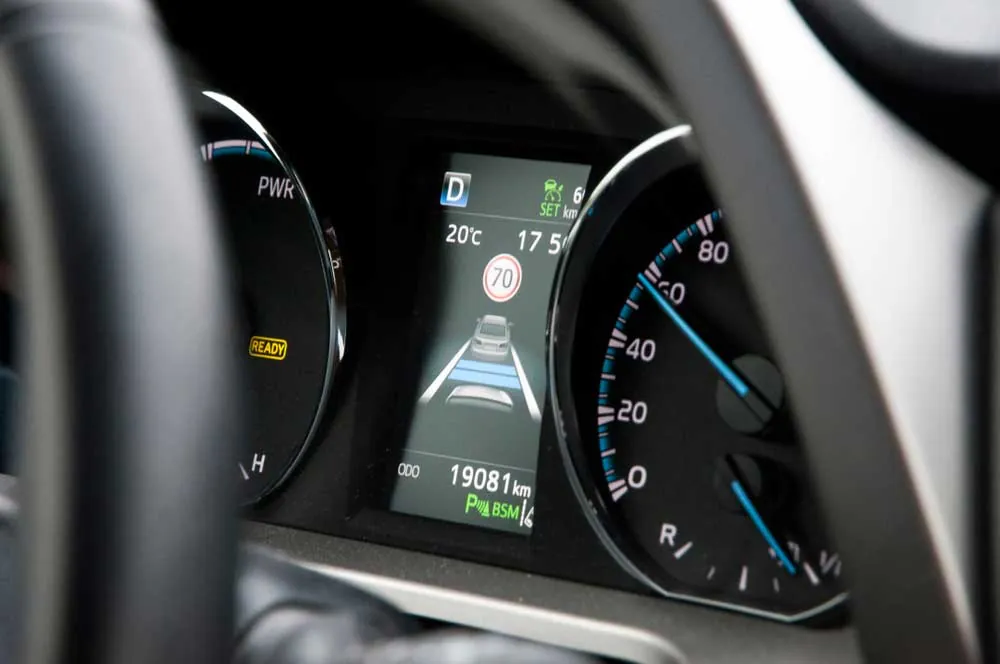
ADAS features such as adaptive cruise control, lane keeping, and collision avoidance demand high-integrity data paths with microsecond latency. Intelligent harnesses provide shielded twisted-pair and high-speed differential signaling (e.g., FlexRay, Ethernet) required for sensor fusion among radar, lidar, and cameras. They also ensure reliable power delivery to safety-critical ECUs for airbag deployment and electronic stability control.
Infotainment and Connectivity Platforms
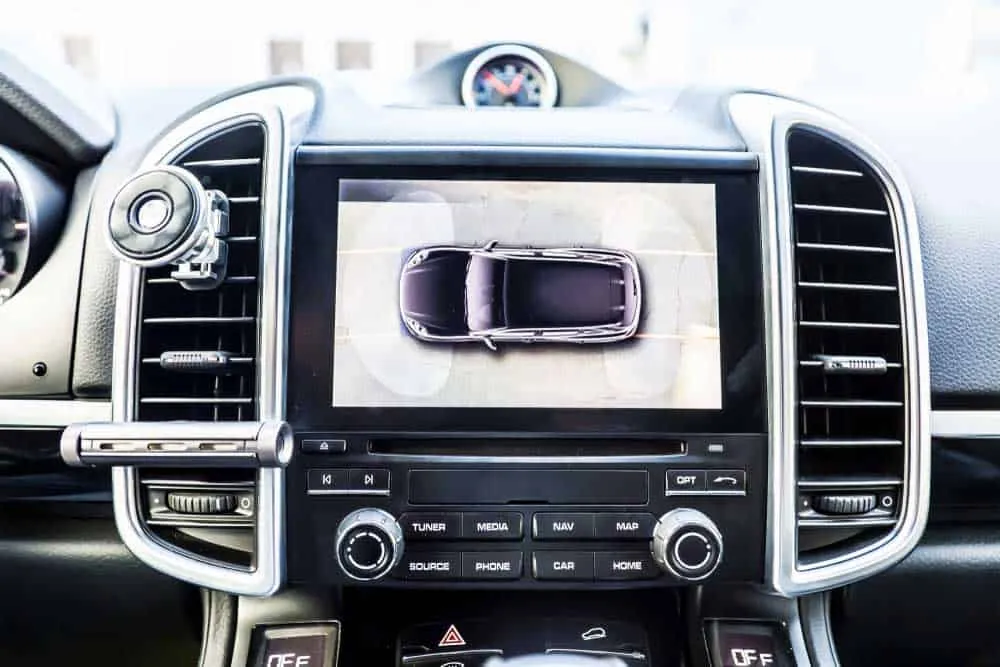
Modern infotainment units consolidate GPS, multimedia, and vehicle settings, requiring robust power and data bandwidth. Smart harnesses integrate USB hubs, MOST buses, and LVDS connections to support multiple high-resolution displays, 360-degree camera systems, and smartphone mirroring without signal degradation.
Adaptive Exterior and Interior Lighting
Matrix LED, laser headlights, and ambient interior lighting rely on CAN/LIN-controlled drivers and sensors. Smart wiring simplifies actuator and sensor networks, reducing wiring points and enabling dynamic beam shaping that responds to steering angle, vehicle speed, and road conditions.
Electric and Hybrid-Electric Vehicle Power Distribution
HV and 48V electrical architectures demand transparent insulation materials, high-voltage interlock loops (HVIL), and precise current sensing. Intelligent harnesses incorporate solid-state relays and smart fusible links that protect against overloads while enabling battery management system (BMS) communication for cell balancing and state-of-health monitoring.
Engine and Powertrain Control
For internal combustion engines, smart harnesses ensure precise sensor signal integrity under high-temperature and vibration conditions. Optimized power distribution reduces alternator load, improving fuel economy and lowering emissions.
Ancillary Systems
Additional applications include climate control zoning, telematics for fleet tracking, remote diagnostic access, and data logging for vehicle analytics.
Design for Manufacturing (DFM) and Certification Considerations
OEMs and procurement engineers must ensure that smart wire harness designs align with design-for-manufacturing principles and meet industry-specific certification standards. A robust DFM process begins with modular connector systems and standardized routings to reduce assembly complexity and minimize production errors. Automated testing equipment (ATE) can verify continuity, insulation resistance, and high-voltage integrity in-line, accelerating throughput while maintaining consistent quality.
For automotive applications, compliance with IATF 16949 demonstrates that harness manufacturing processes meet stringent quality management requirements, from material traceability to defect prevention. Additionally, adherence to IPC/WHMA-A-620, the global standard for cable and wire harness assemblies, ensures that crimp quality, soldering, and assembly workmanship meet class D (automotive) reliability levels. In aerospace programs, AS9100 certification is essential to address special processes, configuration management, and product safety. Medical devices that incorporate smart harnesses would require conformity to ISO 13485 for risk management and regulatory compliance.
Selecting a harness partner with in-house validation capabilities—including environmental stress testing, vibration profiling, and electrical transient simulation—reduces qualification lead time and ensures that the final product meets the full range of operating conditions. Early collaboration during the vehicle architecture phase further optimizes the harness design for both cost and performance, mitigating late-stage redesigns.
Conclusion: Partnering for Next-Generation Electrical Architectures
The shift toward software-defined vehicles and more-electric aircraft demands intelligent interconnection systems that go beyond simple power and signal routing. Smart wire harnesses with embedded diagnostics, weight savings, and network integration offer a strategic advantage to OEMs developing next-generation platforms. By working with a manufacturing partner that combines DFM expertise with certified quality systems, engineering teams can accelerate time-to-market while meeting the highest reliability and safety standards.
An earlier version of this article first appeared on autowiringpro.com. This version has been rewritten and updated for OEM and procurement audiences.