Medical Connector Manufacturers
We support OEM buyers sourcing medical connectorized cable assemblies where approved connector systems, ISO 13485 controls, validation planning, and repeat production discipline matter more than a generic cable quote.
Buyers searching for medical connector manufacturers usually need a controlled connector-to-cable production partner
Medical connector sourcing usually signals a specific problem. The OEM is not just looking for a loose connector catalog. The OEM needs a partner that can take approved connector systems, integrate them into finished cables or harnesses, and keep the result stable under a regulated quality process. This work bridges medical device cable assembly and our broader connector assembly services. It focuses on the connector-centric risks inside medical programs.
Our approach aligns with public references that matter to buyers evaluating medical interconnect programs, including the FDA's framework for medical devices, quality-system expectations reflected in ISO 13485, and the basic function of an electrical connector. The important point is practical: connector seating, shielding, cleaning compatibility, and traceability need to be defined before the build reaches production.
OurPCB Engineering Team summarizes the buying issue directly: "Medical connector programs fail when the approved interface is treated like a generic cable termination. In regulated products, the connector system, the assembly route, and the documentation trail all have to match the released device file."

What This Capability Controls
The page targets buyers comparing regulated connectorized cable suppliers, so the question is how the process stays stable after engineering approval.
Released Connector System Control
We build with approved connector, contact, seal, backshell, and cable definitions instead of generic look-alike substitutions that can break regulatory files.
Medical Documentation Discipline
Connectorized cable programs can be aligned with ISO 13485 controls, lot traceability, revision history, and customer-required validation records.
Patient and Device Risk Awareness
The process accounts for touch-safe designs, cleaning exposure, sterilization compatibility, retention features, and handling rules that matter in medical use.
Signal and Shield Integrity
For imaging, diagnostic, and monitoring systems, we control connector orientation, shield terminations, strain relief, and routing details that affect performance.
Verification Before Release
Continuity, pinout, hipot, insulation resistance, mating checks, and first article review are matched to the device risk and released acceptance plan.
Prototype to Production Path
Programs can start with low-volume evaluation builds, then move into repeatable production with documented work instructions and packaging rules.
Medical Connector Control Points
These are the four checkpoints that usually separate an acceptable medical sample from a repeatable regulated production release.
Approved connector file
Common failure
The quote says medical connector, but the released documentation still leaves housing, contact plating, latch style, or overmold interface ambiguous.
Our control
We lock the exact connector system, approved alternates, mating orientation, retention hardware, and cable-interface requirements before production release.
Regulated material and traceability needs
Common failure
A build works electrically, but later the buyer cannot trace which cable compound, seal material, or connector lot entered the medical device file.
Our control
Lot traceability, revision control, and customer-specific record retention are defined early so supplier changes do not silently invalidate downstream documentation.
Cleaning and sterilization compatibility
Common failure
Connector seals, latch features, or cable jackets pass bench tests but degrade after EtO, gamma, wipe-down chemicals, or repeated reprocessing.
Our control
We review the connectorized assembly around the actual cleaning, disinfectant, or sterilization method rather than assuming a general-purpose interconnect is acceptable.
Final packout and field handling
Common failure
The assembly is electrically acceptable but connector faces, labels, or sterile-barrier handling assumptions are damaged before the OEM ever installs it.
Our control
Caps, bagging, labeling, variant separation, and shipment handling rules are tied to the released program so the approved build arrives usable and identifiable.
Where Buyers Use This Page
This topic is useful when connector qualification itself is shaping the supplier decision in a medical program.
You are qualifying a medical cable supplier, not just buying a loose connector
Many searches for medical connector manufacturers are really buyer searches for a regulated assembly partner that can integrate approved connectors into finished cables or harnesses without documentation gaps.
Your device uses mixed connector interfaces
Imaging, monitoring, and diagnostic products often combine circular, push-pull, board-edge, and power interfaces in one program. That increases pinout, shielding, and revision-control risk.
You need cleaner transfer from prototype to production
If the prototype used acceptable medical connectors but the released work instruction, traceability path, or validation records are weak, this capability is the correct next step.
Your risk is documentation drift, not just electrical failure
In regulated medical programs, an undocumented material or connector substitution can be as damaging as a field failure. The supplier must control both.
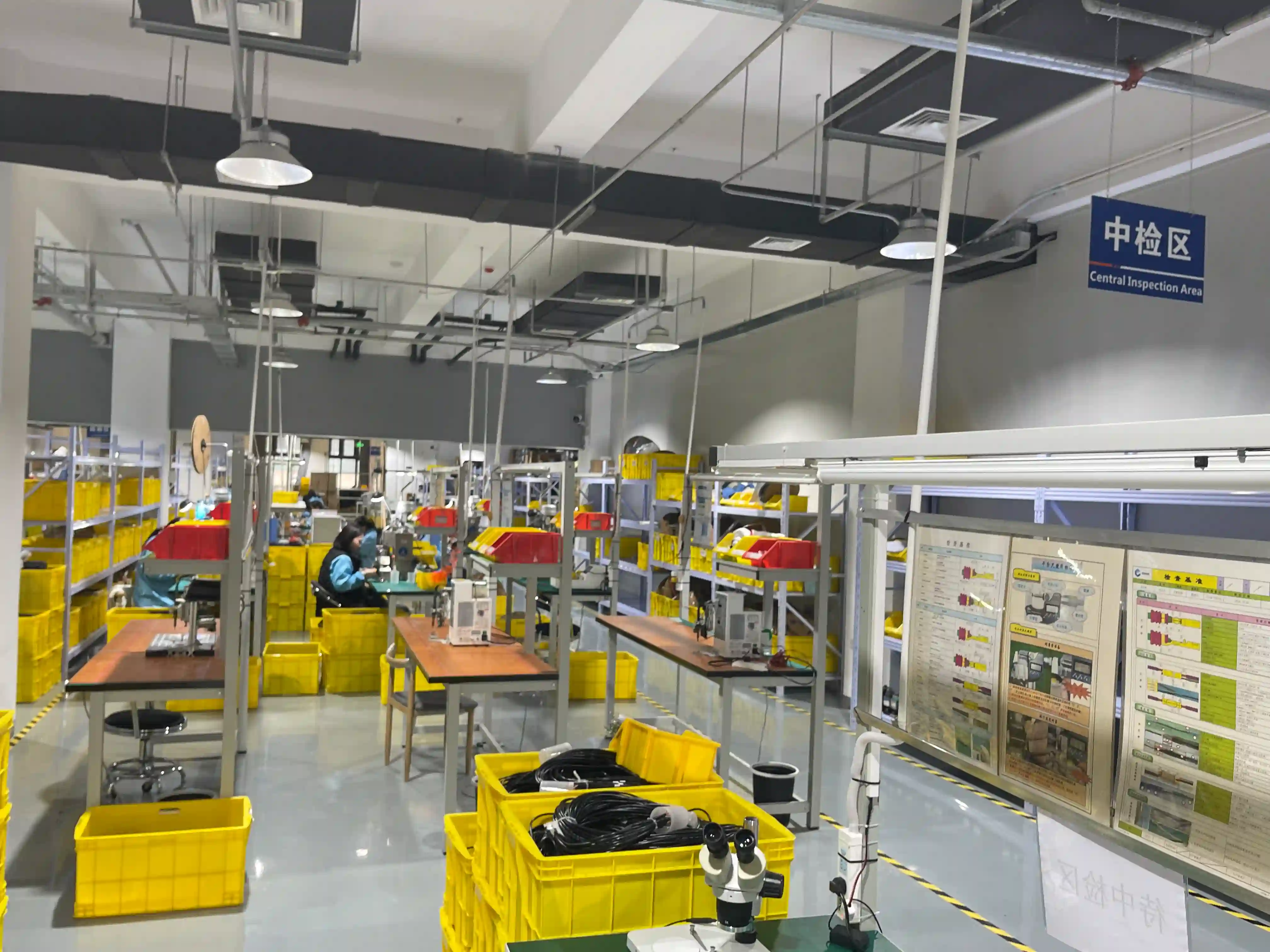
Program Scope Snapshot
A useful quote should make the scope boundaries visible before the buyer approves tooling, materials, or validation timing.
Best-fit projects
Medical connectorized cable assemblies, patient-monitor leads, diagnostic interconnects, imaging subassemblies, sterilization-tolerant cables, and regulated wire harnesses.
Typical input package
Drawing revision, BOM, connector and contact part numbers, pinout table, cable specification, cleaning or sterilization requirements, validation needs, and packaging rules.
Supported processes
Crimping, soldering where specified, connector loading, shield termination, heat shrink, labels, overmold coordination, continuity testing, hipot, and inspection documentation.
Quality framework
ISO 9001 controls with ISO 13485 support for medical projects, plus workmanship expectations aligned to IPC/WHMA-A-620 where applicable.
Who this page is for
Buyers qualifying a manufacturing partner for approved medical connector systems inside cable and harness builds. We do not own proprietary connector-brand designs.
Out of scope
We do not claim to invent every connector family from scratch, change approved medical device interfaces without authorization, or perform PCB assembly work on this site.
Qualification Workflow
Medical connectorized cable programs should move through a controlled release path rather than a generic quote-to-build handoff.
Commercial RFQ and Risk Review
We review connector families, cable construction, device environment, cleaning exposure, expected quantity, and validation needs before quoting the production route.
Connector and Cable Definition Closure
Approved connector, contact, seal, shielding, strain relief, and material requirements are tied to the current revision so sourcing and assembly stay inside the medical file.
Evaluation Build or First Article
A controlled sample or pilot lot confirms contact seating, pinout, mating fit, shielding method, and any cleaning or handling assumptions that could affect release.
Verification and Documentation
Test results, inspection records, photos, and exception notes are organized to match the buyer's approval path and regulated documentation needs.
Production Readiness Planning
Work instructions, packaging, lot control, replenishment assumptions, and no-substitution parts are finalized before recurring orders begin.
Repeat Manufacturing and Change Control
Released assemblies move into repeat production with ECO separation, traceability, and controlled updates so the approved connectorized cable does not drift over time.
Why This Topic Converts
These situations are about reducing qualification risk, not just connector definitions.
A regulated medical build usually fails for one of two reasons: the interconnect was never fully defined, or the manufacturing route drifted away from the approved file after the first successful samples. That is why medical OEMs often care about traceability, validation, and controlled sourcing more than raw piece-part price.
If your program is closer to a broader medical cable assembly manufacturing decision, we cover that separately. If your immediate risk is connector loading, retention, or cable-to-connector transition quality, this is the page for it.
- Approved connector system tied to current medical device revision
- Traceability and record discipline for regulated buying teams
- Electrical and mating verification matched to device risk
- Controlled packaging for clean handling and variant separation
Medical Connector Manufacturing FAQ
The practical buying intent is usually a manufacturing partner that can build approved medical connectors into finished cable assemblies or wire harnesses under controlled quality and documentation rules. We focus on that integration and production discipline rather than claiming ownership of every proprietary connector family in the market.
Yes. We work from the released connector and cable definitions provided by the customer or approved engineering package. That includes connector housings, contacts, seals, backshells, overmold interfaces, and no-substitution items that need to stay tied to the medical device file.
We reduce risk by locking the approved connector system, defining the assembly route, matching test coverage to the application, and maintaining revision and lot controls. The goal is to prevent undocumented substitutions, weak seating, shield issues, packout damage, and documentation gaps that can create both quality and compliance problems.
Yes, as long as the sterilization or cleaning method is defined early. The exact cable jacket, connector sealing features, strain relief, labels, and packaging assumptions can all change depending on whether the assembly sees EtO, gamma, autoclave, or hospital wipe-down chemicals.
The fastest quote includes the latest drawing revision, BOM, connector and contact part numbers, cable specification, pinout table, target quantities, validation requirements, cleaning or sterilization exposure, and packaging instructions. Photos help, but the released file package is what reduces technical and regulatory risk.
A broad medical cable page covers the whole application space. This page focuses on buyer concerns around the connector system itself, including mating reliability, traceability, shielding, retention, and controlled release into production.
Related Medical & Connector Resources
Medical Wire Harness
Use this when the program scope is broader than connectors and includes the full regulated harness application.
CapabilityConnector Assembly Services
Use this when the main buying issue is cavity loading, assurance locks, and pinout control across connector families.
CapabilityTesting Capabilities
Use this when validation scope and electrical verification drive supplier qualification.
CertificationISO 13485 Certification
Review the medical quality framework behind regulated cable and harness programs.
BlogMedical Cable Assembly Guide
Read the deeper compliance and material overview behind medical cable manufacturing decisions.
BlogCommon Connector Types Guide
Useful reference when comparing connector families before locking the approved medical interface.
Real Project Experience
How we've handled similar wire harness and cable assembly projects
See de-identified project scenarios — supplier qualification, connector-shortage recovery, lead-time compression, and engineering spec lockdown — drawn from real production records.
Need a Qualified Medical Connectorized Cable Supplier?
Send the drawing, connector part numbers, cable specification, and validation requirements. We will review the connector system, production risks, and release path before quoting.