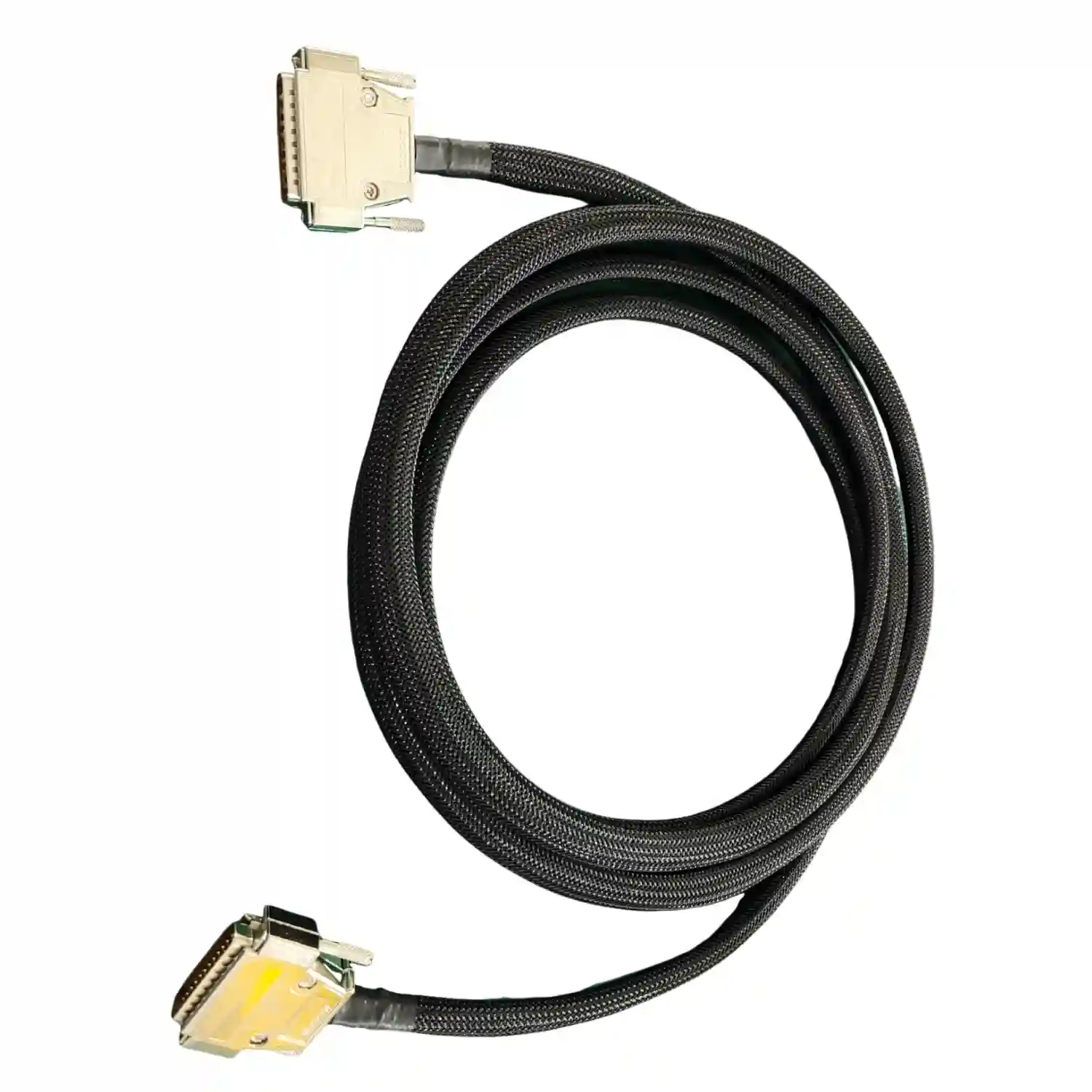
Appliance harnesses look simple until you map the actual environment. A refrigerator door harness sees repeated flexing and condensation. A washer harness adds detergent mist and vibration. An oven harness has to survive heater-adjacent heat soak without brittle insulation, loose terminals, or routing creep. That is why appliance programs rarely fail on schematic logic alone. They fail at the interface between material rating, mechanical retention, and certification assumptions.
If your team already works from an appliance harness program brief, this article is the design-control layer that sits underneath it. It connects UL compliance planning, high-temperature cable selection, and production validation into a single release checklist instead of three separate conversations.
Typical stress zones inside one appliance: cold, warm, and hot
Compliance layers to check: component recognition and end-product safety
Electrical verification expectation for production appliance harnesses
Weak terminal or insulation choice needed to trigger most field failures
Why Appliance Harnesses Are Different
Appliance harnesses live in a more mixed environment than many industrial harnesses. The current is often modest, but the combination of heat, moisture, vibration, sharp sheet-metal edges, service access, and global approvals is unforgiving. Designers who copy a generic low-voltage harness recipe usually miss one of four appliance-specific issues.
Appliance Reality
- One product may combine hot zones, damp zones, and moving zones in the same harness family.
- Service technicians may disconnect and reconnect terminals in the field, which raises retention and labeling requirements.
- Plastic brackets, grommets, and connector supports can become the limiting compliance item, not the copper conductor.
- Cost pressure is high, so material downgrades happen unless engineering sets explicit release rules.
What Gets Missed
- Choosing wire by voltage only and ignoring long dwell temperature.
- Treating quick-disconnect terminals as interchangeable across plating systems.
- Assuming a UL Recognized wire style automatically solves end-product certification.
- Adding sleeving or tape that traps heat at the exact location the design needed airflow.
"Appliance harness engineering is mostly about gradients. The wire only needs to survive where it is routed, the terminal only needs to hold at the real current and temperature, and the approval path only needs to cover the construction actually inside the appliance. Overdesign one zone and you lose margin. Underdesign one zone and you create recalls."
OurPCB Engineering Team
Standards Map: UL 758, IEC 60335 and Glow-Wire
Start by separating component-level approval from appliance-level safety. UL Solutions' AWM program explains that ANSI/UL 758 applies to appliance wiring material construction and certification, while IEC 60335-1 covers household appliance safety at the product level. For fire hazard simulation, the glow-wire method lives in the IEC 60695-2-10 family and related end-product or material test documents.
| Standard Layer | What It Controls | What Engineers Must Decide | Common Mistake |
|---|---|---|---|
| UL 758 / AWM style | Wire construction, insulation system, temperature and voltage style ratings | Pick an AWM style that matches the route, heat, bend, and approval assumptions | Specifying a recognized wire without checking the real appliance zone |
| IEC 60335-1 / appliance standard | General end-product safety, construction, spacing, abnormal operation, and hazard control | Confirm which clauses affect wiring paths, supports, barriers, and service access | Assuming component recognition removes end-product obligations |
| Glow-wire family | How non-metallic parts behave under simulated hot-wire ignition stress | Work backward from the appliance's plastic support parts and preselect resins accordingly | Focusing on wire alone when the support clip or housing becomes the fire-risk bottleneck |
| Factory validation plan | Process capability, electrical test coverage, pull force, traceability, and change control | Tie production checks to the exact failure mechanisms in the appliance | Using a generic test plan copied from another product family |
Practical interpretation
Think of UL 758 as the wire approval vocabulary and IEC 60335 as the appliance safety grammar. One tells you what the conductor insulation system is allowed to be. The other tells you whether the full appliance construction, including routed wiring and adjacent plastics, remains safe in normal and abnormal use.
Glow-wire planning then closes the loop by forcing the team to ask whether clips, housings, supports, and insulating barriers near energized or heated sections can tolerate ignition stress. That is why appliance harness compliance is a system problem, not just a wire problem.
Heat-Zone Material Selection
The fastest way to overpay or underdesign an appliance harness is to give every branch the same material stack. Divide the harness into actual thermal zones first, then assign the insulation, sleeving, tie method, and terminal family to each zone. This matters just as much as wire gauge.
Cold / Damp Zone
Door harnesses, fan leads, ice-maker circuits, sensor runs, and low-heat control areas.
- Prefer flexibility and abrasion control over extreme heat margin.
- Watch condensation, freeze-thaw movement, and door-cycle fatigue.
- Use grommets and edge protection aggressively.
Warm Operating Zone
Compressor compartments, motor spaces, dryer cabinets, and control cavities with repeated heat soak.
- Validate the real dwell temperature, not just peak air temperature.
- Check terminal relaxation and plating behavior under cycling.
- Do not let bundling trap heat at breakouts.
Hot Zone
Ovens, cooktops, heater-adjacent runs, and any path near resistive elements or hot metal shields.
- Route away from direct radiant heat before upgrading wire style.
- Use high-temperature cable systems only where needed.
- Review clips, sleeves, and barriers, not just conductor insulation.
| Design Question | Correct Habit | Bad Habit |
|---|---|---|
| Wire insulation choice | Match style and insulation family to the actual route and exposure | Apply one premium wire to every branch without zoning |
| Sleeving and tape | Use only where abrasion, bundling, or service handling requires it | Wrap the full harness and accidentally trap heat |
| Terminal selection | Choose terminal family for current, mating cycles, plating, and local temperature | Swap terminals because the tab size looks identical |
| Mechanical supports | Review clips, tie points, and plastics against heat and glow-wire demands | Treat supports as non-critical hardware |
Termination, Routing and Retention Rules
Most appliance harness problems show up at the termination or the route, not in the middle of the copper. Use these rules before you release tooling or approve pilot builds.
Terminal Rules
- Validate crimp geometry and pull force for each conductor family, not just nominal AWG.
- Use the right terminal system for thermal cycling, mating force, and service replacement risk.
- Check whether tin, nickel, or specialty plating is required near heat or humid chemistry.
- Do not ignore strain transfer at the transition from rigid terminal to flexible wire.
Routing Rules
- Route away from hot sheet metal first; upgrade insulation second.
- Add service slack only where needed; uncontrolled loops become rub points.
- Use clips and anchors that keep spacing stable through vibration and shipping shock.
- Where abrasion risk is real, combine edge control with targeted protection such as heat shrink or sleeves.
Glow-wire planning note
In appliance programs, engineers often assume the wire is the fire-risk driver. In practice, clips, barriers, connector housings, and support parts are often the items that get scrutinized first when the team evaluates glow-wire performance. If a plastic support near a live or heated section is marginal, the harness route may need to change even when the conductor insulation is fine.
That is why routing reviews should happen with electrical, mechanical, and compliance ownership in the same meeting. If those functions review separately, the harness usually gets approved three times and still fails once.
Validation Plan Before Production Release
A strong appliance launch plan translates application risks into release evidence. The exact tests depend on the product, but the table below is a durable baseline for OEM review, supplier PPAP-lite packages, or engineering signoff.
| Validation Item | What It Proves | When It Matters Most |
|---|---|---|
| Continuity and polarity | No opens, shorts, or miswires after final assembly | Every production unit |
| Dielectric withstand / hipot as applicable | Insulation integrity and spacing assumptions remain intact | High-voltage or safety-critical circuits |
| Pull force and retention | Crimp and terminal system withstand service handling and vibration | Quick-disconnect and serviceable assemblies |
| Thermal exposure review | The selected insulation stack survives the actual local temperature | Ovens, dryers, compressor spaces, heater zones |
| Route and abrasion check | No chafing, pinch points, or unsupported spans during installation and use | Sheet-metal chassis and moving door or drum zones |
| Change-control package | Approved BOM, material files, and test evidence stay aligned | Every sourcing or material substitution event |
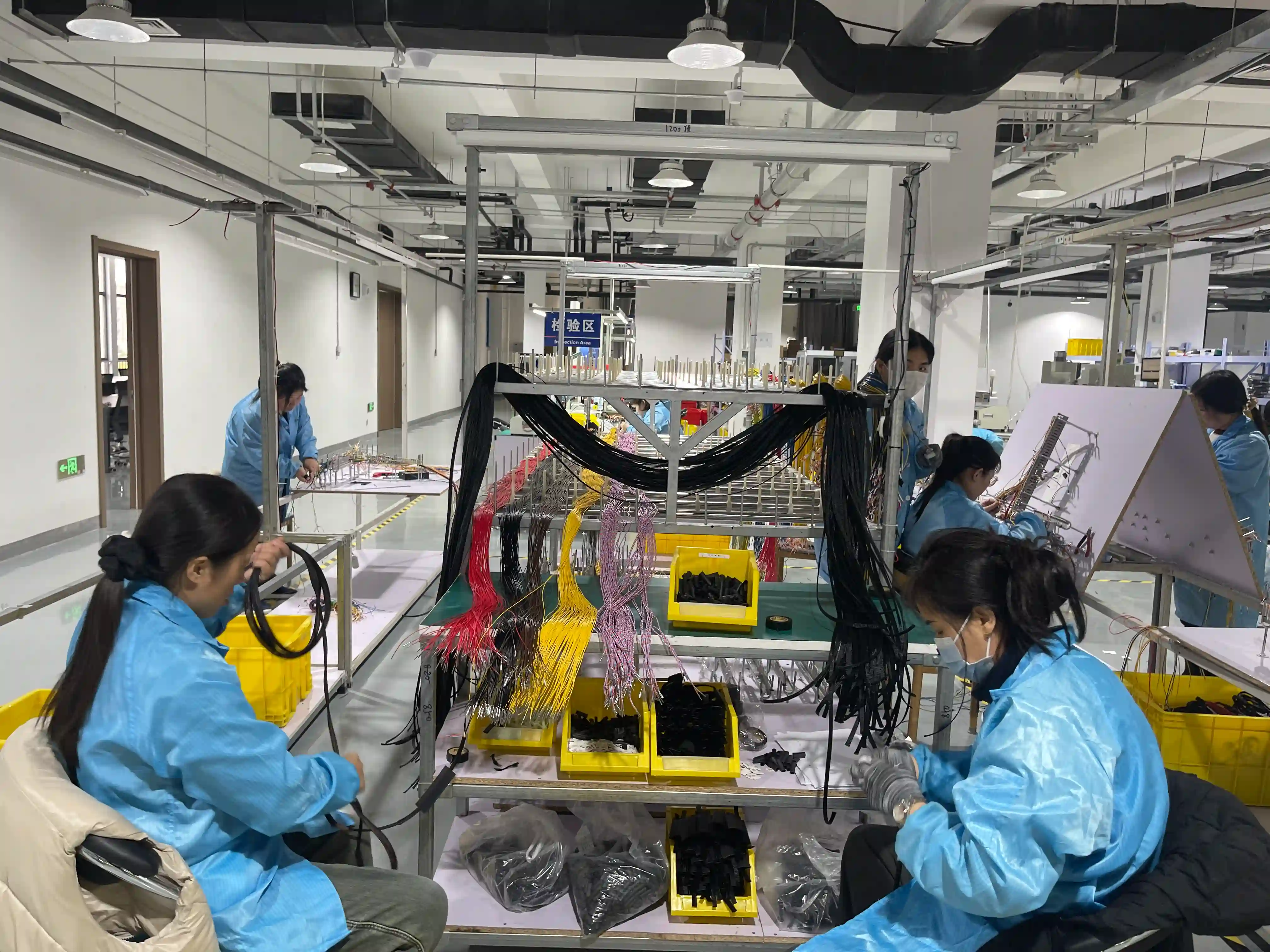
The release package should also point directly to the factory controls that will sustain the design: operator work instructions, approved crimp settings, inspection samples, and the exact electrical test coverage built into the line. If your product needs broader environmental verification, fold it into the same release plan instead of treating it as an afterthought in separate test capability reviews.
Failure Modes Seen in Appliance Programs
Heat-aged insulation cracking
Usually caused by routing too close to a heater cavity or selecting a wire style for nominal temperature instead of actual long-duration exposure.
Loose quick-disconnect terminals
Often tied to wrong terminal plating, poor tab tolerance control, or stress transfer from wire motion into the terminal barrel.
Abrasion at chassis pass-throughs
Common in washers, dryers, and refrigerators where routing is stable in CAD but shifts during shipping, installation, or service.
Compliance surprises from support plastics
The wire passes internal review, but clips, housings, or barriers create glow-wire or fire-hazard problems late in the approval cycle.
Documentation and Sourcing Checklist
Before pilot release, the harness file should answer these questions without email archaeology:
- Which wire styles, temperatures, and approved suppliers are allowed on each branch?
- Which terminals, clips, sleeving, and tapes are mandatory versus substitutable?
- What evidence supports the routing near hot surfaces, moving assemblies, and service-access points?
- What component recognition or compliance files must stay attached to the released BOM?
- Which validation checks have to be repeated if purchasing proposes an alternate material or second source?
Use this rule of thumb
If a sourcing change affects heat resistance, flame behavior, terminal plating, route retention, or any recognized component file, it is not a "simple alternate." Treat it as an engineering change. The same discipline that protects a material substitution program also protects appliance launches from late certification delays.
For appliance launches, the review should require every harness validation plan tied to a number: 105°C ambient, 0.1 N/mm minimum terminal retention, or IEC 60335 abnormal-operation criteria. If the requirement is not measurable, it will be debated again during pilot build.
Frequently Asked Questions
Does UL 758 approval mean the whole appliance is compliant?
No. UL 758 applies to appliance wiring material, not the complete appliance. Engineers still need to verify the full end product against the applicable appliance standard, construction rules, and test program.
Why do appliance programs ask about glow-wire performance so early?
Because glow-wire requirements can disqualify a resin or insulating support even when the wire itself looks acceptable. If the plastic support system fails the fire test, the harness design often has to change with it.
Can I use the same harness construction for refrigerators, ovens, and washers?
Usually not. The temperature profile, moisture exposure, detergent or grease contact, vibration level, and agency requirements differ enough that the insulation system, terminals, routing, and strain relief normally need application-specific changes.
What is the most common appliance harness mistake during cost reduction?
Downgrading insulation or terminal plating without checking the actual duty cycle. A low-cost substitute may pass bench assembly but fail after repeated heater cycling, compressor vibration, or detergent exposure.
Which tests should appliance OEMs require before releasing production?
At minimum: continuity, hipot or dielectric withstand as applicable, pull force, fit check, polarity verification, route retention, heat-age review, and a documented validation plan tied to the appliance environment and certification path.
Are quick-disconnect terminals acceptable in appliance harnesses?
Yes, if the terminal system, plating, wire range, insertion force, and retention method match the actual current, thermal cycling, and service environment. In appliance programs, the terminal choice is rarely generic.
Sources
Need an appliance harness that survives design review and production?
We build appliance wire harnesses for temperature, moisture, serviceability, and approval-driven programs, from early prototypes to volume release.