Cable Assemblies Manufacturer for OEM and Industrial Buyers
Cable Assemblies Manufacturer
We support OEM and industrial teams that need more than a generic cable quote. The offer combines DFM review, controlled terminations, testing, traceability, and a stable repeat-production route.
Buyers searching cable assemblies manufacturers usually need proof that repeat production will stay under control
The core buying question is not whether a supplier can assemble one acceptable sample. It is whether that supplier can convert your drawing, BOM, connector list, shielding requirements, and packaging rules into a stable production route. For these programs we combine production-ready cable assembly and connector assembly control, rather than a catalog listing of cable types.
Our production approach is aligned with public quality frameworks such as ISO 9001, workmanship expectations associated with IPC, and safety or component-recognition logic tied to UL where the application requires it. The goal is simple: the approved lot and the next lot should match.
OurPCB Engineering Team summarizes the commercial risk directly: "A cable assembly supplier becomes expensive when the quote hides open questions about connectors, test limits, or packaging. The best manufacturers expose those decisions before the program reaches recurring volume."
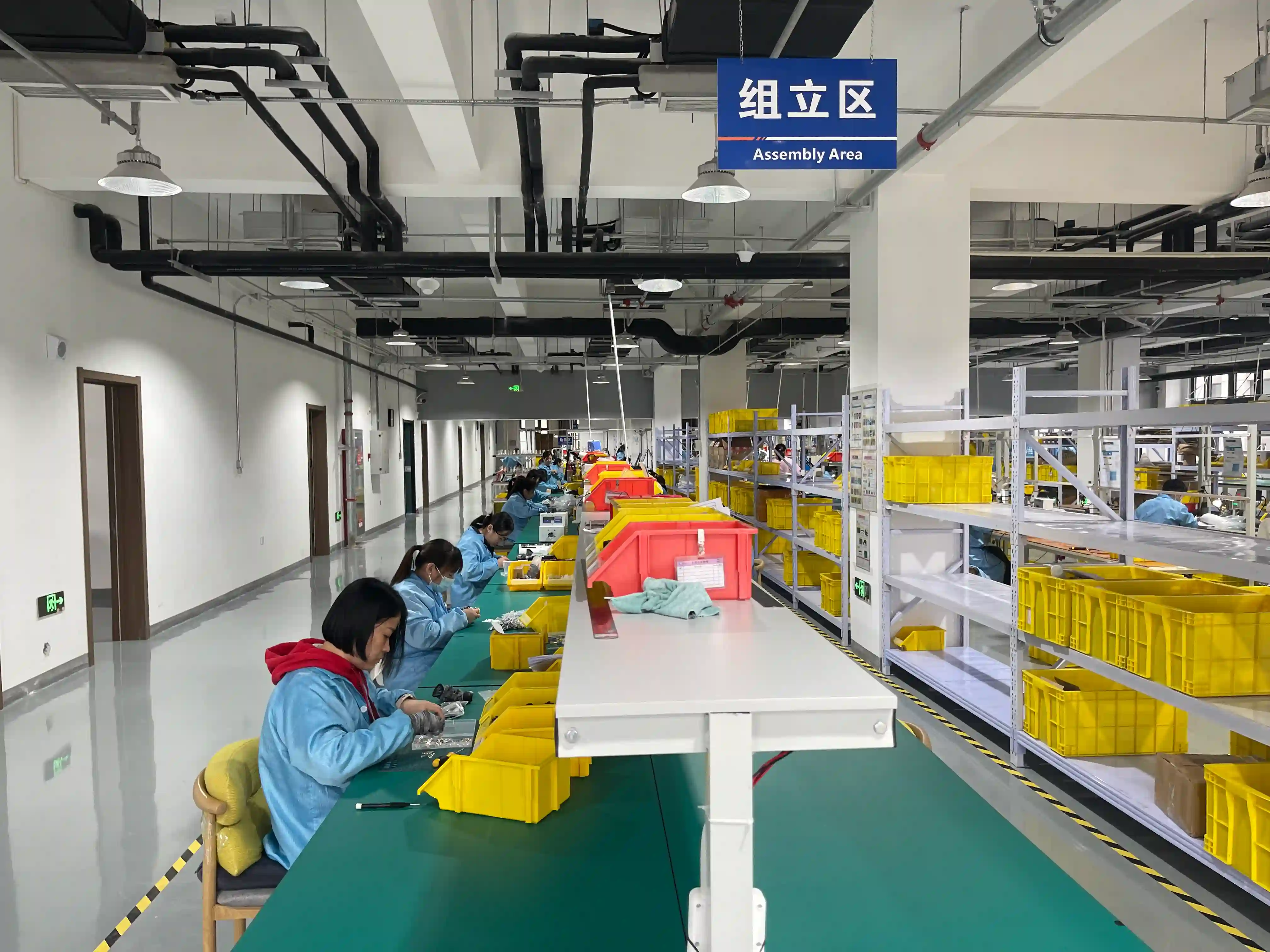
What This Manufacturer Offer Controls
For buyers evaluating a manufacturing partner rather than browsing connector families.
Commercial Review Before Production
We review drawings, connector families, cable construction, labeling, and packaging before the quote becomes a production commitment.
Controlled Cable Assembly Process
Cutting, stripping, crimping, soldering where specified, shielding, heat shrink, and overmold coordination are defined against the released build package.
Inspection That Matches Buyer Risk
Continuity, pinout, hipot, insulation resistance, pull force, and visual checks can be tied to the application instead of informal bench testing.
Scalable Production Routing
Programs can launch through a rapid prototype route, then move into recurring production with the right factory, batch size, and replenishment logic.
Documented Change Control
Approved alternates, revision changes, and no-substitution components are tracked so the next lot does not drift from the approved lot.
Shipment-Ready Output
Assemblies can be labeled, bagged, serialized, kitted, and packed by install sequence so receiving teams do not lose time sorting variants.
Cable Assembly Production Controls
These are the control points that separate a repeatable manufacturer from a supplier that can only build one good sample.
| Checkpoint | Common Failure | Our Control |
|---|---|---|
| Part definition | A cable assembly quote uses generic notes like 6-pin connector or shielded cable, leaving room for incorrect terminals, seals, or jacket substitutions. | We lock released connector, terminal, cable, shielding, sleeve, and label requirements before the build reaches production. |
| Termination consistency | A sample passes once, but strip length, crimp height, conductor brush, solder coverage, or strain relief are not repeatable lot to lot. | Tooling, setup values, visual checkpoints, and pull-force or dimensional checks are tied to the released route and operator instructions. |
| Electrical verification | Continuity may be checked casually while mis-pins, shield opens, shorts, or insulation defects remain undefined in the acceptance plan. | We translate the drawing into continuity, pinout, hipot, insulation resistance, and functional checks where the application requires them. |
| Packout and receiving flow | Assemblies ship electrically correct but arrive with unclear labels, mixed variants, or packaging that makes installation slower and riskier. | Protective caps, labels, serialization, bagging, carton quantity, and kitting rules are defined before shipment so the approved product arrives usable. |
First article review matters because production stability is learned, not assumed. Public background on first article inspection reflects the same principle: verify the released build against specification before relying on wider output.
Technical Scope and Limits
This capability is for cable-assembly sourcing and production control. It is not a catch-all manufacturing page.
Best-fit programs
Custom cable assemblies for OEM equipment, industrial controls, medical devices, telecom hardware, robotics, defense electronics, and mixed signal-plus-power products.
Typical input package
Drawing, BOM, cable specification, connector and terminal part numbers, pinout, forecast, test requirements, and packaging rules.
Supported processes
Cutting, stripping, crimping, soldering where specified, heat shrink, labels, shielding, braiding, overmold support, testing, and packaging.
Quality framework
ISO 9001 quality controls, IPC/WHMA-A-620 workmanship alignment, and support for automotive, medical, and other regulated documentation where required.
Volume range
Single-piece prototypes, first articles, pilot lots, scheduled replenishment, and recurring production orders with no forced MOQ.
Out of scope
PCB fabrication, SMT assembly, undocumented redesigns, silent substitutions, and field installation outside cable and harness manufacturing scope.
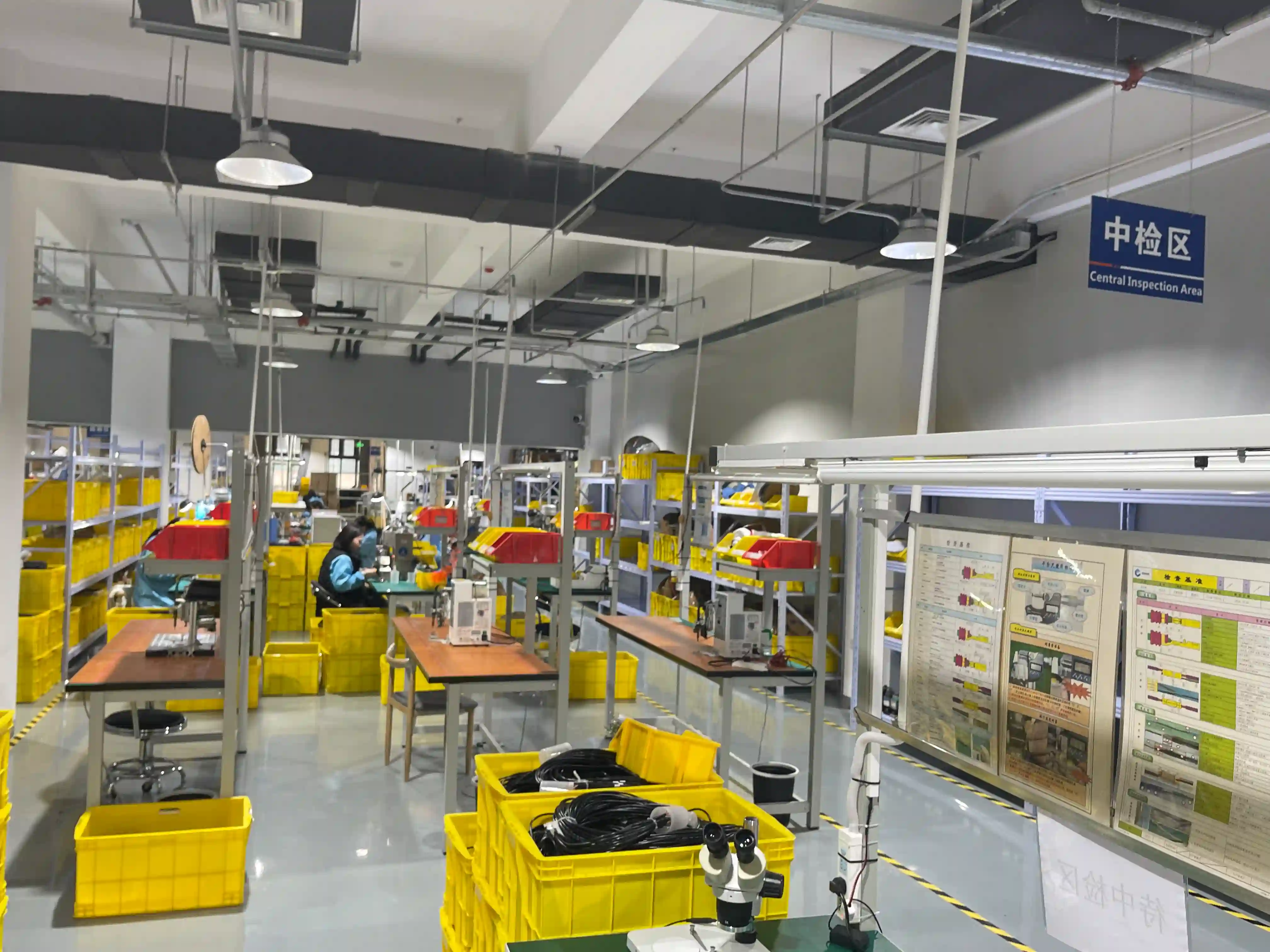
The assembly is only complete when the receiving team can install it without re-sorting or re-checking every part
A cable assembly that passes continuity but arrives with mixed labels, bent terminals, or variant confusion still creates cost inside your operation. That is why we connect crimp control, strain relief planning, electrical verification, and packaging rules into one released build route.
When buyers are replacing an incumbent, the real deliverable is not only a second source. It is a documented route another trained operator can reproduce under the same revision and test limits. This is why many projects pair this offer with global sourcing support or a narrower cable harness manufacturing service when the build includes more branch-heavy routing.
"The weak point in many cable assembly RFQs is not labor cost. It is the missing decision that lets one lot differ from the next."OurPCB Engineering Team
Cable Assembly Manufacturer Workflow
This process is designed for buyers qualifying a manufacturing partner rather than reading a generic educational page.
RFQ and Drawing Review
We review the cable assembly package for missing connector details, sourcing risk, shielding assumptions, target volumes, and required approvals before quoting.
DFM and Material Closure
Cable construction, branch points, shield termination, strain relief, labels, and approved alternates are closed before material is committed.
Sample or First Article Build
A controlled sample or pilot lot proves the released route with production-intent tooling, inspection points, and operator instructions.
Testing and Approval
The approval package can include continuity results, pinout confirmation, photos, dimensional checks, pull-force records, and first article evidence.
Production Route Planning
We align batch size, replenishment cadence, safety stock, and factory routing with your program so lead-time risk is managed before recurring orders begin.
Repeat Production and Shipping
Approved assemblies move into revision-controlled manufacturing with lot traceability and packaging rules matched to receiving and installation needs.
Where This Offer Fits
These are the situations where this service is the right fit.
You are qualifying a new cable assembly manufacturer
This page is for buyers comparing manufacturers and trying to separate real production discipline from a generic quoting response.
You need a second source without copying the incumbent's problems
We compare the released drawing, BOM, sample, and test plan before duplicating a supplier transfer, which helps expose hidden substitutions or weak inspection logic.
Prototype approval is complete but the production route is still weak
If the sample works but the next 500 or 5,000 pieces still risk drift in terminations, labels, or packaging, this is the correct commercial offer.
You are really searching for a cable assembly company
Many buyers use company, supplier, or manufacturer interchangeably. The practical question is the same: can the supplier hold quality stable when demand becomes recurring.
RFQ Checklist For Cable Assemblies
Frequently Asked Questions
These are the commercial questions buyers usually ask before moving a cable assembly program into production.
A qualified cable assembly manufacturer should review manufacturability before material commitment, lock released part numbers, define the electrical test plan, control terminations with documented work instructions, and deliver packaging that supports receiving and installation. A fast quote alone is not enough if connector, cable, or inspection assumptions remain undefined.
The fastest quote includes the latest drawing revision, cable specification, connector and terminal part numbers, pinout table, annual or blanket-order forecast, test requirements, and packaging instructions. Sample photos help, but a released BOM reduces substitution and pinout risk far more than photos alone.
Yes. We support single-piece prototypes, first articles, pilot lots, and recurring production without a forced MOQ. The main difference between a prototype and a production order is whether the drawing, BOM, test plan, and packaging rules are stable enough for repeat manufacturing.
We keep repeat orders stable by locking revision-controlled part definitions, tying tooling and setup to the released route, converting electrical requirements into defined tests, and documenting packout rules. If approved alternates exist, they are listed explicitly instead of being introduced silently during purchasing.
Yes. We support shielded assemblies, overmold-ready builds, mixed signal-and-power cable sets, and assemblies using multiple connector families as long as the mating interfaces, test requirements, and tooling assumptions are defined early in the program.
Most programs rely on ISO 9001 quality controls and IPC/WHMA-A-620 workmanship expectations, with additional requirements driven by the application such as automotive documentation, medical quality records, or customer-specific electrical test and traceability rules.
Related Services and Resources
Custom Cable Assembly
For cable-centric builds where you already know the core assembly scope.
CapabilityProduction-Ready Cable Assembly
Use this when a working prototype still needs a repeatable production release path.
CapabilityConnector Assembly Services
Relevant when connector loading, TPA or CPA checks, or mixed interfaces drive risk.
CapabilityTesting Capabilities
See the electrical verification options available before shipment.
BlogWire Harness RFQ Guide
Use this checklist to send the right technical package before requesting quotes.
BlogCable Assembly Lead Time Optimization
A buyer-focused guide to separating material and assembly delays before launch.
Real Project Experience
How we've handled similar wire harness and cable assembly projects
See de-identified project scenarios — supplier qualification, connector-shortage recovery, lead-time compression, and engineering spec lockdown — drawn from real production records.
Need A Quote From A Cable Assembly Manufacturer?
Send the drawing, BOM, connector details, cable specification, and target quantities. We will review manufacturability, sourcing risk, and the right production path before quoting.