Ultrasonic Metal Welding for Wire Splices and Battery Connections
Ultrasonic Metal Welding
Ultrasonic welding services for wire splices and battery connections with solid-state bonding for reliable, low-heat metal joints.
Ultrasonic Welding Processes
Our ultrasonic metal welding capabilities for wire and battery applications.
Wire Splicing
Solid-state welding for multi-wire splices
Battery Connections
Tab welding for battery packs and cells
Low Heat
Solid-state process minimizes heat damage
High Strength
Molecular bond stronger than parent metal
Mixed Metals
Copper to aluminum and other combinations
High Speed
Fast cycle times for production volumes
Molecular Metal Bonding
Ultrasonic welding creates solid-state molecular bonds between metals without melting. This provides stronger joints than solder, crimping or resistance welding with minimal heat input.
- Copper to copper welding
- Aluminum to aluminum welding
- Copper to aluminum welding
- Multi-strand wire splices
- Battery tab connections
- Terminal to wire joints
- Cross-section up to 100mm²
- Process monitoring and control
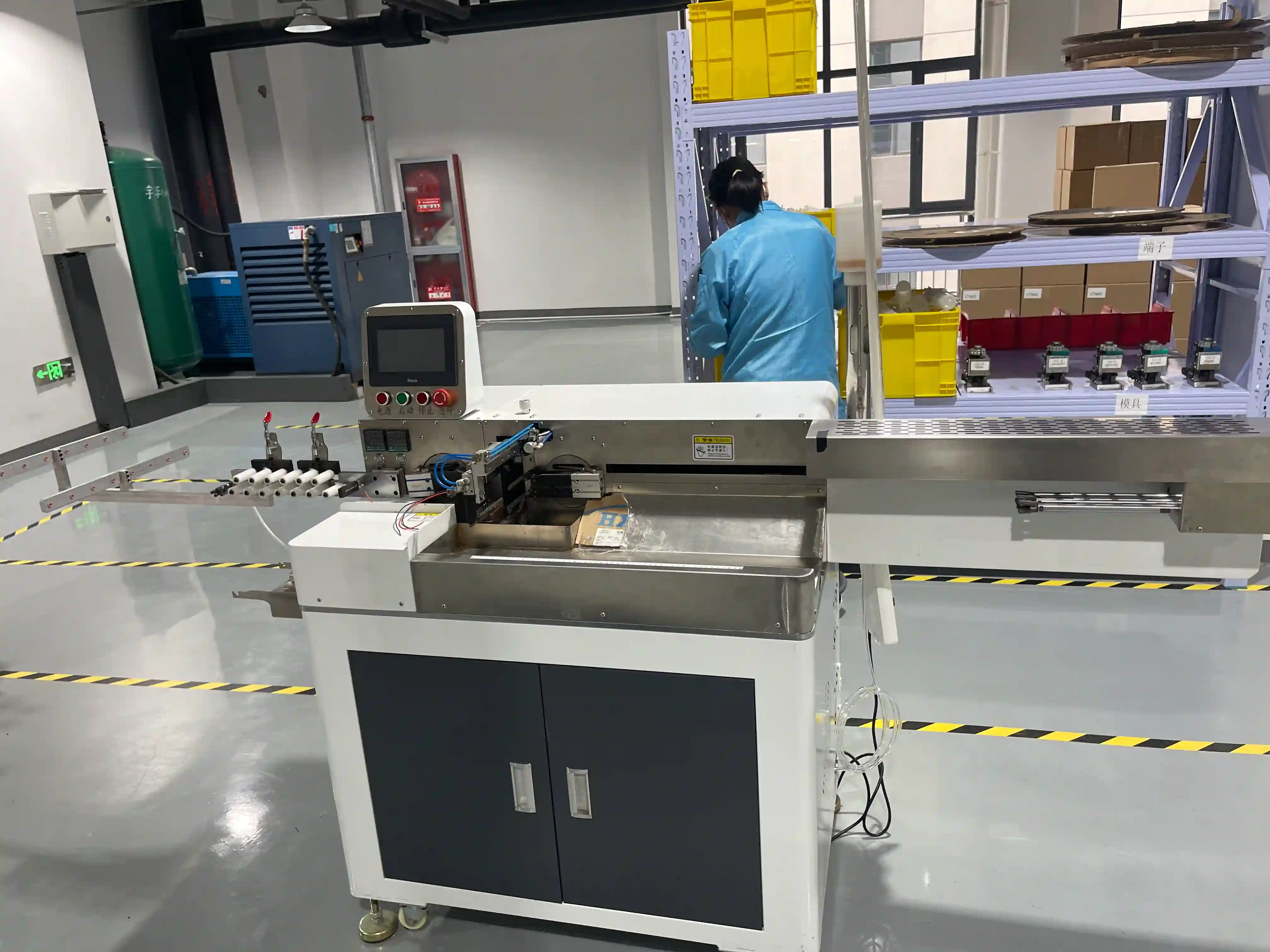
Technical Specifications
Our ultrasonic welding equipment and process specifications.
EV & Battery Applications
Ultrasonic welding is the preferred method for EV battery connections, enabling reliable copper-to-aluminum joints and multi-tab welds critical for battery pack performance.
Battery Tabs
Cell interconnections
Bus Bars
High-current paths
Wire Splices
Multi-wire joints
Mixed Metals
Cu/Al connections
Ultrasonic Metal Welding Services for Wire Harness and Battery Applications
As a specialized ultrasonic welding provider, OurPCB delivers solid-state metal bonding for wire harness splices and battery connections. Our ultrasonic metal welding creates molecular bonds stronger than parent materials, essential for EV and new energy battery packs and high-current automotive harness applications.
Ultrasonic welding excels at joining dissimilar metals—copper to aluminum connections critical for battery systems. Unlike soldering or crimping, ultrasonic welding generates minimal heat, preserving wire insulation and sensitive components. Multi-strand wire splices up to 100mm² cross-section accommodate power cable and high-current applications.
Battery tab welding for EV applications requires precise process control. Our monitored welding systems ensure consistent weld quality across production volumes. Solar panel connections, industrial bus bar assemblies, and robotics power systems all benefit from ultrasonic welding's reliable mixed-metal joints.
Pull force testing verifies weld strength to ensure joints exceed application requirements. Cross-section analysis confirms proper metallurgical bonding. Our quality systems document every weld parameter for IATF 16949 automotive and ISO 9001 traceability requirements.
Applications span automotive harness splices, battery module interconnections, and industrial power distribution. Sub-second cycle times enable high-volume production while maintaining consistent quality. Contact our engineering team to discuss ultrasonic welding for your wire splice, battery connection, or mixed-metal bonding requirements.
Frequently Asked Questions
Ultrasonic metal welding uses high-frequency vibration and pressure to create solid-state bonds between metals. The process generates minimal heat, preserving wire insulation and nearby components.
Common applications include multi-wire splices in automotive harnesses, battery tab connections in EV and energy storage, and bus bar to wire connections. It's ideal where solder or crimping isn't suitable.
Yes, ultrasonic welding excels at joining dissimilar metals like copper to aluminum. This is valuable for EV battery connections and other applications where different metals must be reliably joined.
Properly made ultrasonic welds are as strong as or stronger than the parent materials. The molecular bond created exceeds the tensile strength of the individual wires being joined.
Ultrasonic welding is often the better choice when you need a compact splice, low heat input, consistent resistance, or reliable copper-to-aluminum joints that are harder to achieve with crimping or soldering alone.
Real Project Experience
How we've handled similar wire harness and cable assembly projects
See de-identified project scenarios — supplier qualification, connector-shortage recovery, lead-time compression, and engineering spec lockdown — drawn from real production records.
Need Ultrasonic Welding?
Solid-state metal bonding for wire splices, battery connections, and mixed-metal joints with monitored process control.