Top 7 Wire HarnessDesign Mistakes
The costliest mistakes happen during design—not manufacturing. Learn the most common engineering errors that lead to failures, recalls, and redesigns.
For industry reference, see cable harness and IPC standards.
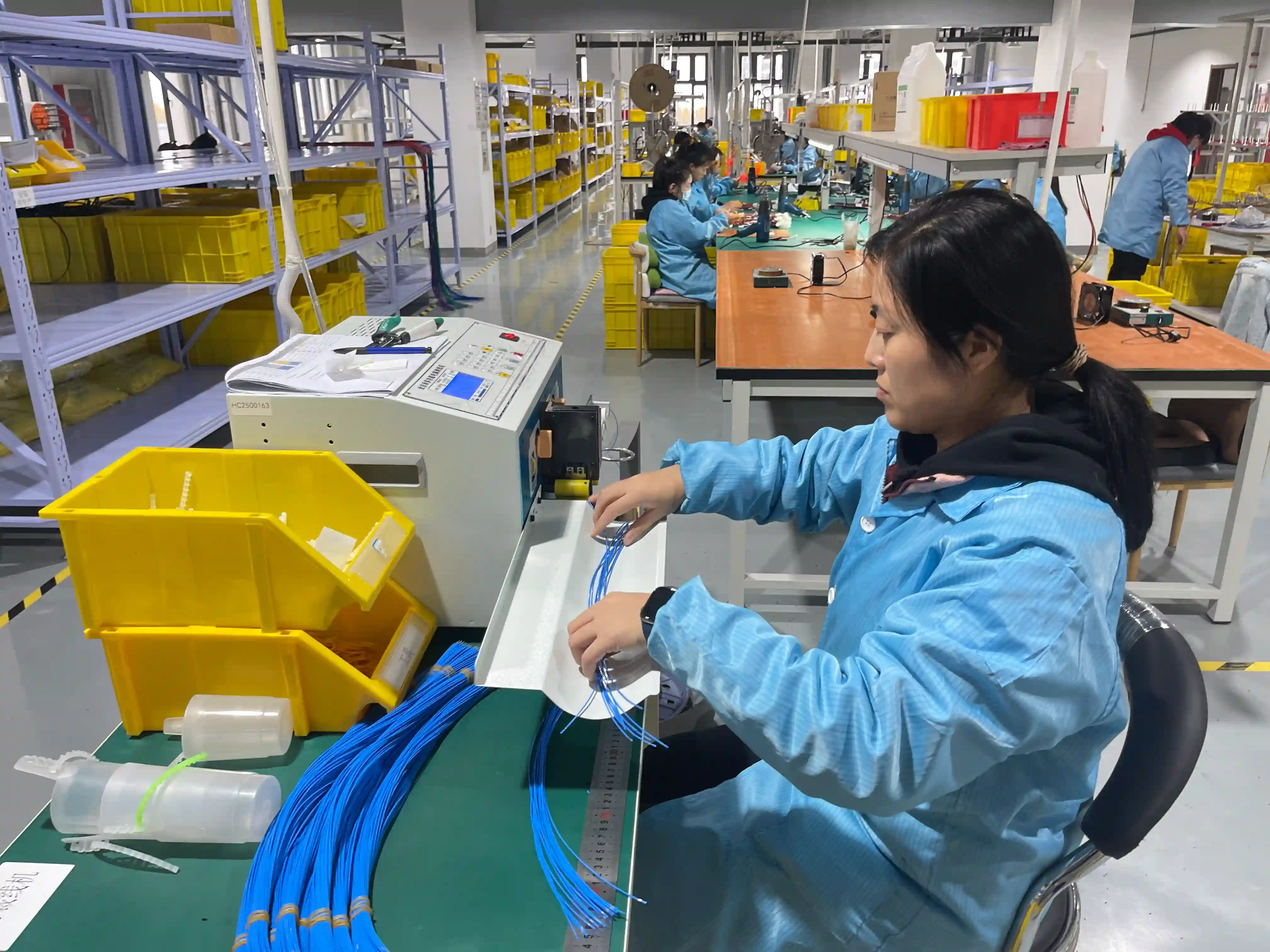
According to industry data, 80% of wire harness field failures can be traced back to decisions made during the design phase. Undersized wires, inadequate environmental protection, poor connector selection—these errors don't show up until months or years later when products fail in the field.
The challenge is that many design engineers work with wire harnesses only occasionally. They're experts in their primary discipline—mechanical design, electronics, system architecture—but harness design has its own set of rules and pitfalls that aren't always intuitive.
This guide covers the seven most common design mistakes we see across automotive, industrial, medical, and consumer electronics applications. Each mistake includes real-world consequences and specific guidance on how to avoid it.
The True Cost of Design Errors
Cost to fix during design phase
Cost to fix during prototyping
Cost to fix during production
Cost to fix in the field (recalls)
the review review hundreds of wire harness designs every year, and many reviews show at least half have issues that would cause problems in production or the field. The most common? Not leaving enough length margin. Engineers design to the theoretical perfect fit, then act surprised when real-world tolerances cause problems during assembly. Always add service loops—wire is cheap; redesigns are expensive.
OurPCB Engineering Team
Undersized Wire Gauge
The most dangerous and most common mistake
The Problem
Choosing wire that's too small for the current load causes excessive voltage drop and heat generation. The wire's resistance converts electrical energy into heat— insulation degrades, connections fail, and in worst cases, fires start. This mistake is often made to save cost or reduce harness size, but the consequences can be severe.
Real-World Consequences
- Insulation melting and short circuits
- Voltage drop causing device malfunction
- Terminal overheating and connector melting
- Fire hazards in severe cases
How to Avoid It
- Use a wire gauge calculator based on actual current and length
- Account for ambient temperature derating factors
- Consider bundling derating (wires in harness run hotter)
- Design for peak current, not average current
- Limit voltage drop to <3% for most applications
Rule of Thumb: When in doubt, go one gauge larger. The cost difference is minimal; the safety margin is significant.
Inadequate Strain Relief
The hidden cause of intermittent failures
The Problem
Without proper strain relief, mechanical forces transfer directly to electrical connections. Cables that flex, vibrate, or get pulled put stress on terminations. Over time, this causes wire breakage at the connection point—often inside the connector where it can't be seen.
Where It Fails
- Cable entry points into connectors
- Breakout points where branches separate
- Flex zones (hinges, doors, moving equipment)
- Panel pass-through points
Strain Relief Solutions
- Use overmolded strain relief for dynamic applications
- Specify cable clamps positioned correctly (within 25mm of connector)
- Add heat shrink or boots at transition points
- Use proper backshells with integrated strain relief
- Include service loops at connection points
Wrong Connector Selection
Mismatched environmental or electrical ratings
The Problem
Connectors are chosen for convenience or cost rather than application requirements. A connector that works fine on the bench can fail when exposed to real-world conditions— moisture, vibration, temperature extremes, or chemical exposure.
Common Selection Errors
- Unsealed connectors in wet environments
- Consumer-grade connectors in industrial applications
- Wrong terminal plating (tin vs gold for signal vs power)
- Current rating too close to actual load
- No keying/polarization for similar connectors
Selection Criteria Checklist
- Match IP rating to environmental exposure
- Derate current capacity by 20-30% from max rating
- Consider mating cycles (how many connect/disconnect?)
- Select appropriate connector brand/series
- Use polarized/keyed connectors to prevent mismating
Insufficient Length Margins
Designing to theoretical minimums
The Problem
Engineers calculate the exact length needed and specify that—no extra. But real-world assembly involves tolerances, routing variations, and the need for service access. Too-short harnesses cause tension on connections, make assembly difficult, and prevent proper strain relief.
Why It Happens
- 3D CAD shows "perfect" routing that doesn't exist
- Cost pressure to minimize wire usage
- Tight space constraints lead to cutting corners
- Manufacturing tolerances not considered
Length Guidelines
Add 50-100mm extra at each connector for assembly access
Add 25-50mm at each branch separation
Add 5-10% to calculated minimum length
Double the calculated length in hinge zones
Here's a mistake A common issue is constantly: designers spec exactly the right materials and components, but then route the harness too close to heat sources or sharp edges. The best components in the world won't help if the harness is routed through an environment it wasn't designed for. Always think about what the harness will experience in its installed position—not just at room temperature on your desk.
OurPCB Engineering Team
Three More Critical Mistakes
Ignoring Environmental Conditions
Materials that fail outside the lab
The Problem
Standard PVC-insulated wire and commodity connectors work fine in an office environment. But applications face heat, cold, moisture, chemicals, UV, and vibration that these materials can't handle.
- PVC becomes brittle below -15°C
- Standard terminals corrode in salt spray
- UV degrades many plastics in months
The Solution
- Select materials rated for actual conditions
- Document operating temperature range in specs
- Specify IP ratings for connector enclosures
- Use chemical-resistant materials where exposed
Missing or Inadequate EMI Shielding
Signal integrity problems that appear in the field
The Problem
Unshielded cables near motors, power lines, or RF sources experience interference. Sensitive signals get corrupted, causing intermittent failures that are nearly impossible to diagnose. Conversely, unshielded cables can radiate and cause EMC compliance failures.
- Sensor data corruption
- Communication dropouts
- EMC certification failures
The Solution
- Use shielded cable for sensitive signals
- Ground shields properly at one or both ends
- Separate power and signal conductors
- Route away from noise sources when possible
Not Designing for Manufacturability (DFM)
Designs that work on paper but fail in production
The Problem
Designs that don't consider manufacturing constraints lead to higher costs, longer lead times, and quality issues. Common problems include specifying obsolete connectors, tight tolerances that require manual work, and component combinations that don't physically fit.
- Obsolete or hard-to-source components
- Wire gauges that don't fit specified terminals
- Impossible assembly sequences
The Solution
- Involve manufacturing early in design process
- Use standard wire gauges and common connectors
- Verify terminal/wire compatibility before finalizing
- Request DFM review from your manufacturer
Wire Harness Design Checklist
Electrical Requirements
- Wire gauge calculated for current AND length
- Voltage drop verified at <3% under full load
- Derating applied for bundling and temperature
- Shielding specified for sensitive signals
- Connector current ratings verified with margin
Environmental Factors
- Operating temperature range documented
- Moisture/IP protection appropriate for location
- Chemical exposure assessed, materials selected
- UV resistance considered for outdoor routing
- Vibration environment addressed in design
Mechanical Design
- Service loops added at all connection points
- Strain relief specified at all stress points
- Minimum bend radius maintained throughout
- Routing avoids sharp edges and heat sources
- Tie-down points specified every 150-300mm
Manufacturability
- Standard wire gauges used where possible
- Wire/terminal compatibility verified
- Components available and not obsolete
- Assembly sequence is logical and achievable
- DFM review completed by manufacturer
"The engineers who get the best results are the ones who call us before they finalize their design. We can spot problems in 5 minutes that would take months to discover in the field. A DFM review costs nothing and can save you a redesign. Every wire harness design should get a second set of eyes—preferably from someone who builds harnesses every day."
OurPCB Engineering Team
Frequently Asked Questions
How do I know if my wire gauge is correct?
Use a wire gauge calculator that considers current, length, acceptable voltage drop, ambient temperature, and bundling. For a quick check: calculate voltage drop at full load—it should be less than 3% for most applications, less than 1% for sensitive electronics. Our wire gauge calculator can help.
When should I use shielded cable?
Use shielded cable for: analog sensor signals, communication protocols (CAN, RS-485, Ethernet), low-level signals near motors or power electronics, any cable that runs parallel to power lines, and applications requiring EMC compliance. See our shielded vs unshielded guide for details.
What's the minimum service loop length I should allow?
At minimum, allow 50mm of extra length at each connector for assembly access. For connectors that need regular service, allow 100-150mm. At branch points, add 25-50mm per branch. In flex zones (hinges, moving parts), double your calculated minimum length.
How do I get a DFM review for my design?
Most quality wire harness manufacturers offer free DFM reviews as part of their quoting process. Provide your drawings, BOM, and application details. They'll identify potential issues with component selection, manufacturing feasibility, and cost optimization. Request this early—before finalizing your design.
What documentation should I provide to my harness supplier?
At minimum: schematic or wiring diagram, BOM with approved manufacturers/part numbers, drawing with length and routing requirements, and environmental specifications. Also helpful: 3D model of installation space, photos of prototype routing, and any relevant industry standards (IPC class, automotive specs, etc.).
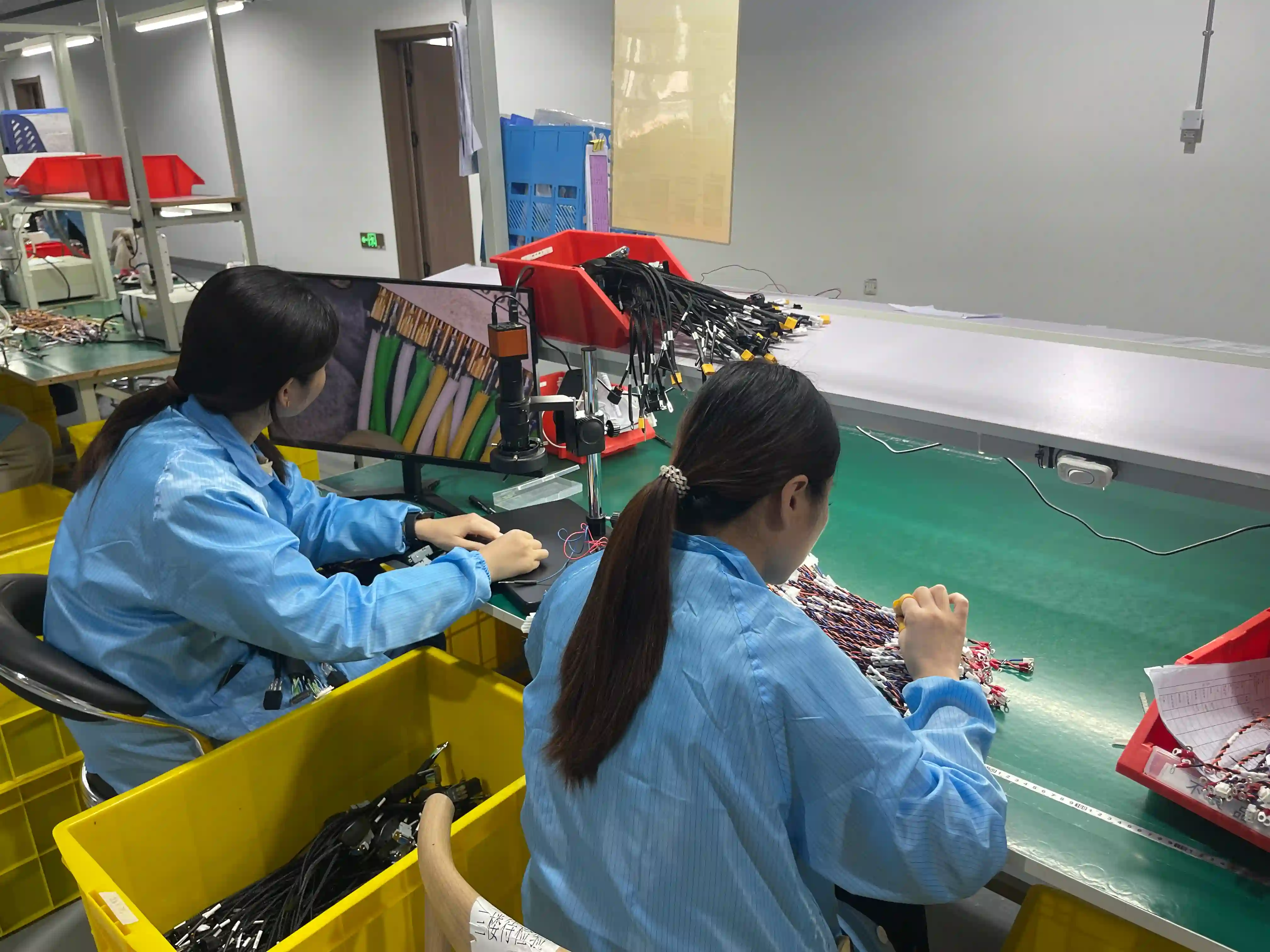
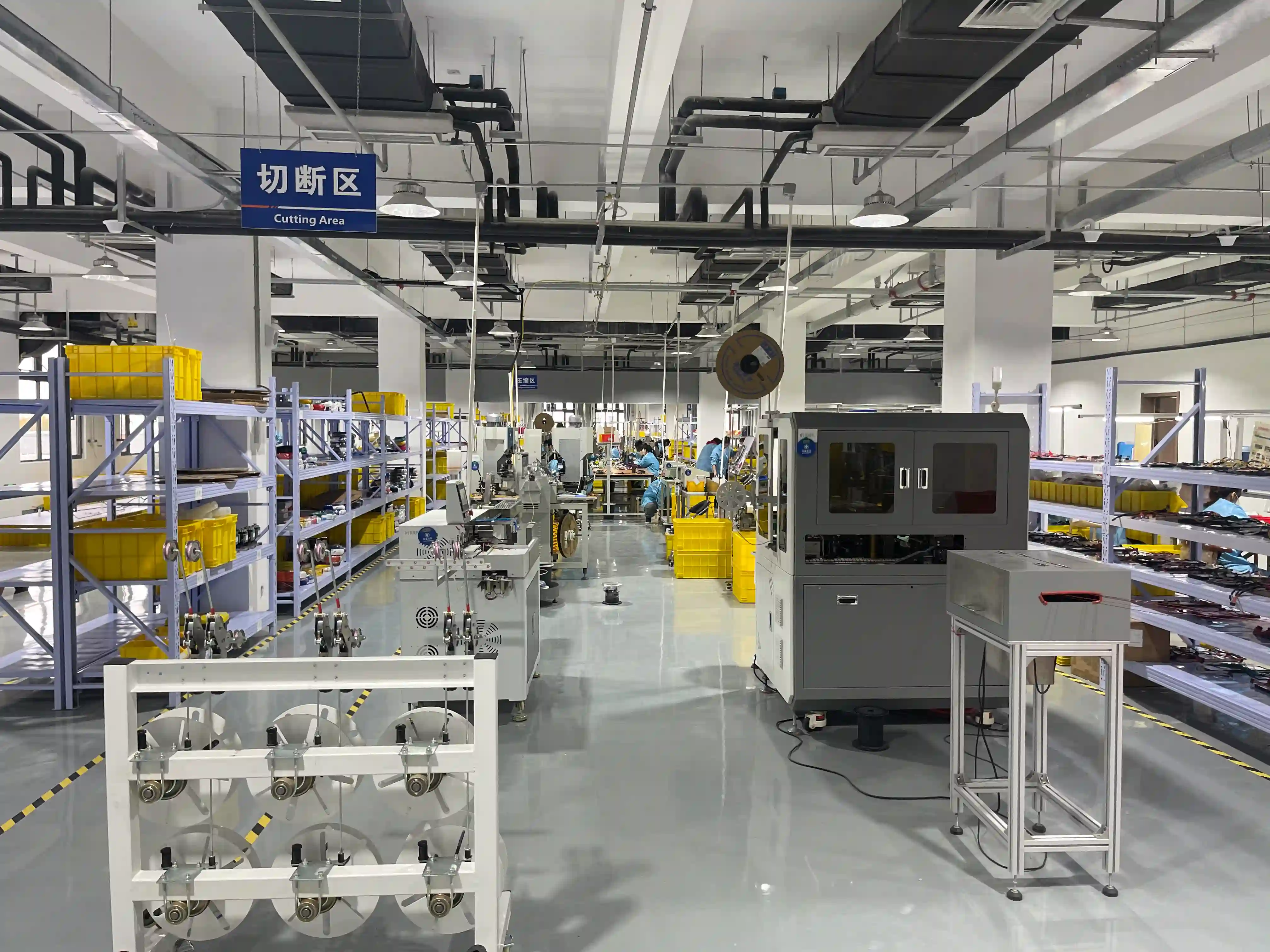
Get a Free DFM Review of Your Design
Our engineering team can review your wire harness design and identify potential issues before they become costly problems. Send us your drawings and we'll provide detailed feedback on manufacturability, reliability, and cost optimization.