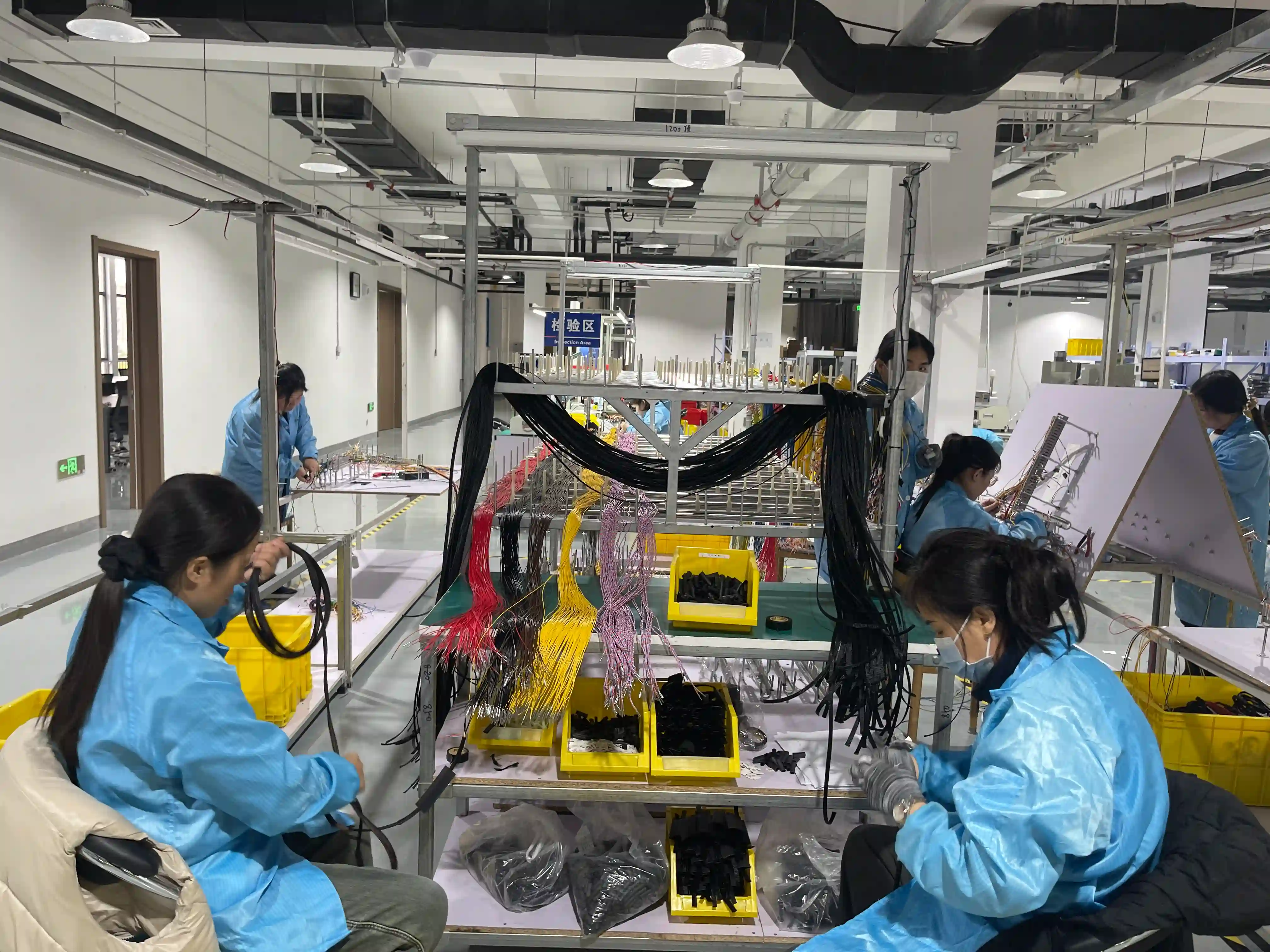
A wire harness that passes every electrical test, meets every dimensional specification, and satisfies the most demanding visual inspection can still fail to deliver value if it arrives at the customer's facility damaged, corroded, or contaminated. Packaging is not an afterthought; it is the final manufacturing step, and it determines whether your quality investment reaches the end user intact.
Industry data shows that 11-15% of all wire harness damage claims originate from inadequate packaging and shipping practices. For a mid-size harness manufacturer shipping 50,000 units annually, that represents 5,500-7,500 damaged assemblies, each costing $25-$150 to replace or rework. The total exposure can exceed $500,000 per year, a cost that is almost entirely preventable with proper packaging discipline.
This guide covers the 10 most effective wire harness and cable assembly packaging practices, drawn from two decades of experience shipping assemblies to automotive, medical, industrial, and aerospace customers across six continents.
11-15%
Of harness damage claims caused by poor packaging
$25-$150
Average cost per damaged assembly (rework + shipping)
30%
ESD-related field failures traceable to packaging gaps
92%
Customer satisfaction improvement with proper packaging
"We never consider a harness 'finished' until it is properly packaged. Packaging is the last manufacturing step, not a logistics afterthought. The same attention to detail we apply to crimping and soldering must extend to how we protect the product for its journey to the customer. A beautifully built harness in a damaged box is still a failure."
OurPCB Engineering Team
The 10 Best Practices for Wire Harness Packaging and Shipping
Custom-Fit Packaging Design
Off-the-shelf boxes and generic padding are the leading cause of wire harness shipping damage. Every harness geometry is unique, and packaging must be designed around the specific shape, weight, and fragility of each assembly. Custom-fit packaging uses foam inserts, die-cut cavities, or thermoformed trays that cradle the harness at critical stress points, preventing movement inside the container during transit.
Start by mapping the harness layout on a flat surface and identifying breakout points, connector clusters, and heavy sections that need dedicated support. Work with your packaging engineer to create cavity molds or routed foam inserts that match the harness profile exactly. For high-volume shipments, thermoformed HDPE trays offer excellent repeatability and stacking strength. For lower volumes, custom-routed polyethylene foam inserts provide a cost-effective solution that still eliminates in-box movement.
The investment in custom packaging typically pays for itself within the first two shipments by eliminating damage claims, rework, and production-line delays caused by receiving damaged assemblies. As discussed in our cost-saving strategies guide, packaging optimization is one of the highest-ROI investments in the supply chain.
ESD-Safe Materials and Handling
Electrostatic discharge (ESD) is an invisible threat that can degrade or destroy sensitive electronic components within a wire harness. Even a discharge as small as 20 volts can damage MOSFET gates and microcontroller pins, yet humans cannot feel static below 3,000 volts. This means latent ESD damage frequently goes undetected until the harness fails in the field, creating warranty costs that far exceed the price of proper packaging.
All wire harnesses containing active electronics, sensor modules, or exposed connector pins should be packaged in ESD Association-compliant materials. Use pink poly anti-static bags (surface resistivity 10^9 to 10^12 ohms) for basic protection, or metallized shielding bags (Faraday cage effect) for sensitive assemblies. Conductive black foam inserts should cradle connector interfaces, and dissipative containers (10^4 to 10^11 ohms surface resistivity) provide the outermost layer of protection.
Ensure your packaging area is equipped with grounding straps, ionizing blowers, and ESD-safe workstation mats. Train all packaging personnel on proper ESD handling procedures per ANSI/ESD S20.20 standards. These measures align with the testing and inspection protocols that should precede every packaging step.
Moisture Barrier Protection
Moisture is the second most destructive force in harness shipping, behind only mechanical impact. Condensation inside shipping containers during ocean freight can reach 80-90% relative humidity, causing corrosion on exposed copper conductors, degrading crimp contacts, and promoting fungal growth on organic insulation materials. Even domestic ground shipments can expose harnesses to temperature swings that create condensation inside sealed cartons.
The moisture barrier strategy depends on the shipping method and duration. For domestic ground shipments under one week, polyethylene bags with 5-gram silica gel desiccant packs provide adequate protection. For ocean freight lasting 3-6 weeks, use aluminum foil moisture barrier bags (MBB) that are heat-sealed, with humidity indicator cards (HICs) visible through a window. Include VCI (Volatile Corrosion Inhibitor) paper wraps around exposed metallic surfaces for additional corrosion protection.
Always calculate the required desiccant quantity based on the internal volume of the sealed package and the expected transit duration. The rule of thumb is 1 unit of desiccant per 1 cubic foot of packaged volume for shipments under 30 days, increasing to 2 units per cubic foot for extended ocean transit.
Proper Labeling and Documentation
Clear, durable labeling prevents mishandling and speeds receiving inspection at the customer site. Every package should display the part number, revision level, quantity, date of manufacture, lot or batch number, and any special handling instructions. Use weather-resistant labels with barcodes or QR codes that link to digital inspection records, test certificates, and assembly documentation.
Include standardized handling symbols per ISO 780: "This Side Up" arrows, the fragile glass symbol, the ESD-sensitive device caution triangle, and "Keep Dry" umbrella icons. These universally recognized symbols protect your harnesses regardless of language barriers in the logistics chain. For international shipments, include customs documentation, material declarations (RoHS, REACH compliance certificates), and country-of-origin markings on every outer carton.
Packing lists should be enclosed in waterproof adhesive pouches on the outside of each carton. For multi-box shipments, include a master packing list that references all box numbers and contents. This documentation discipline directly supports the quality standards outlined in our quality inspection checklist.
Connector and Terminal Protection
Connectors are the most vulnerable components in a wire harness during shipping. Exposed pins can bend, plating can scratch, and dust or debris can lodge in contact cavities, causing intermittent failures that are extremely difficult to diagnose. Proper connector protection is non-negotiable for any professional harness shipment.
Use dust caps and protective plugs (similar to Caplugs-style covers) on every mating interface. These snap-fit covers prevent contamination and physical damage to delicate pins, sockets, and sealing surfaces. For high-pin-count connectors (50+ contacts), apply pin protector combs that maintain proper pin alignment during transit. D-sub connectors should receive individual caps, while circular MIL-spec connectors benefit from threaded protective caps that simulate the mated condition.
Terminal ends that are not yet inserted into connector housings require even more care. Bundle terminated wires by circuit group, wrap each group with anti-static bubble wrap, and place individual pin protectors on blade and spade terminals to prevent deformation. The cost of these protective accessories is typically under $0.50 per connector but prevents damage that costs $20-$100 to repair.
Separation and Anti-Tangle Methods
Wire harnesses are inherently prone to tangling when multiple units are packed together. Tangled harnesses cause receiving delays, can damage strain reliefs and breakout points, and create a poor impression of quality when customers open the box. Effective separation methods ensure every harness arrives exactly as it left the packaging station.
For small harnesses (under 500mm total length), use individual polybags with zip closures and corrugated dividers between layers. For medium harnesses, foam channel inserts with dedicated slots keep each unit separated and organized. Large harnesses benefit from individual coiling on cardboard forms secured with hook-and-loop straps rather than cable ties, which can leave indentation marks on soft-jacketed cables.
When packing multiple harness variants in a single carton, use color-coded bags or compartmentalized dividers so the receiving team can quickly identify and sort each part number without unwrapping every unit. This attention to organization reflects the lean manufacturing principles we apply throughout our production process, extending orderliness from the factory floor all the way to the customer's incoming inspection dock.
Shock and Vibration Cushioning
During a typical cross-country ground shipment, packages experience an average of 20-30 drops from heights of 18-36 inches, plus continuous vibration at frequencies of 3-100 Hz. Air freight adds pressure differentials and higher impact forces during aircraft loading. Without proper cushioning, solder joints crack, crimp terminals loosen, and molded components fracture.
The cushioning strategy should address both shock (sudden impacts) and vibration (sustained oscillation). Closed-cell polyethylene foam (density 1.7-2.2 lb/ft3) provides excellent shock absorption for most harness applications. For heavy assemblies over 2 kg, use engineered foam-in-place systems that create custom cushions by expanding polyurethane foam around the product. Anti-vibration measures include foam liners that dampen resonant frequencies and prevent abrasion between harness surfaces and container walls.
For extremely fragile assemblies with soldered PCB terminations or fiber optic connections, consider suspension packaging that suspends the product on elastic membranes within the outer carton, completely isolating it from external shock and vibration forces. This approach costs more but provides the highest level of protection available.
Environmental Sealing for Ocean/Air Freight
International shipping presents environmental challenges far beyond what domestic logistics demand. Ocean freight containers routinely experience "container rain" where temperature cycling causes condensation to drip from container ceilings onto cargo. Salt spray exposure during port handling corrodes unprotected metals within hours. Air freight subjects cargo to rapid pressure changes and extreme temperature excursions from ground handling to cruising altitude.
For ocean freight, use a layered defense: inner ESD bag, moisture barrier bag with desiccant, corrugated inner carton, and a wax-coated or poly-lined outer carton. Palletized shipments should be stretch-wrapped with opaque UV-resistant film and topped with a waterproof pallet cover. Include ShockWatch or TiltWatch indicators on outer cartons to document mishandling events during transit.
For air freight, ensure all packaging materials are IATA-compliant and account for pressure differentials that can cause sealed bags to expand or burst. Use breathable desiccant packets rather than sealed gel packs, and avoid rigid sealed containers that cannot equalize pressure during altitude changes. Proper environmental sealing is especially critical for harnesses used in quality-sensitive applications such as automotive and medical devices.
Quality Inspection Before Packaging
The packaging station is the last opportunity to catch defects before a harness reaches the customer. A rigorous pre-packaging inspection protocol prevents shipping defective products and avoids the significant costs of returns, re-inspection, and customer dissatisfaction. Every harness should undergo a final verification at the packaging station, even if it has already passed in-line quality checks.
The pre-packaging checklist should include: 100% continuity verification confirming all circuits are correctly wired, pull force testing on a sample basis to verify crimp integrity (per IPC/WHMA-A-620 requirements), visual inspection for proper label placement and legibility, dimensional verification of critical lengths and breakout positions, and confirmation that all connectors are fully seated and locked. Record all test results digitally and link them to the specific lot being packaged.
This final inspection step also catches cosmetic issues like cable jacket scuffs, misaligned labels, or missing protective boots that occurred during handling between the test station and the packaging area. For details on each inspection point, refer to our comprehensive quality inspection checklist.
Returnable/Reusable Container Systems
For ongoing production shipments, returnable packaging systems deliver superior protection at lower long-term cost compared to single-use materials. Returnable containers are engineered specifically for the product, provide consistent protection shipment after shipment, and eliminate the waste stream associated with disposable packaging materials.
A well-designed returnable system uses heavy-duty corrugated plastic (Coroplast) or injection-molded containers with custom foam inserts. These containers are stackable, collapsible for return shipment, and typically last 50-100 round trips before replacement. RFID tags or barcodes on each container enable tracking through the supply chain, ensuring containers are returned and not lost. The breakeven point versus disposable packaging is typically reached within 8-12 shipment cycles.
Beyond cost savings, returnable containers support sustainability goals by reducing cardboard waste by up to 90% and eliminating single-use plastics from the packaging process. Many automotive and industrial customers now require returnable packaging as part of their supplier agreements. Implementing a container tracking system with deposit charges ensures high return rates and prevents container loss. This approach aligns with the lean manufacturing principles of waste elimination and continuous improvement.
"ESD damage is the silent killer of wire harness reliability. A harness can pass every electrical test at the factory and still fail in the field six months later because static discharge weakened a component during packaging. We invest heavily in ESD-safe packaging infrastructure because the cost of proper protection is a fraction of the cost of a single field failure in a medical device or automotive system."
OurPCB Engineering Team
Packaging Materials Comparison
Choosing the right packaging material depends on your harness sensitivity, shipping method, and volume. Here is a side-by-side comparison of the most common options:
| Material Type | ESD Protection | Moisture Barrier | Cost | Reusability | Best For |
|---|---|---|---|---|---|
| Pink Anti-Static Poly Bags | Basic (10^9-10^12 ohms) | Low | Low ($0.05-0.20) | Single-use | Low-sensitivity harnesses |
| Metallized Shielding Bags | High (Faraday cage) | Medium | Medium ($0.30-1.00) | Single-use | Sensitive electronics, PCBs |
| Conductive Foam Inserts | High (10^3-10^5 ohms) | None | Medium ($0.50-3.00) | Limited (5-10x) | Connector pin protection |
| VCI Paper/Film Wraps | None | High (corrosion inhibitor) | Low ($0.10-0.50) | Single-use | Bare copper, metal terminals |
| Aluminum MBB (Heat-Sealed) | Medium | Very High | Medium ($1.00-5.00) | Single-use | Ocean freight, long storage |
| Dissipative PE Foam | Medium (10^6-10^9 ohms) | Low | Medium ($1.00-5.00) | Reusable (20-50x) | Custom inserts, cushioning |
| Returnable Coroplast Containers | Optional (ESD versions) | High (sealed design) | High ($15-80 initial) | High (50-100 trips) | High-volume production runs |
Common Packaging Mistakes to Avoid
Using standard bubble wrap on ESD-sensitive assemblies
Standard bubble wrap generates static charges up to 20,000V during handling
Packing multiple harness variants without separation or labeling
Receiving confusion, sorting delays, and potential mis-installation
Skipping desiccant in sealed moisture barrier bags
Trapped humidity causes corrosion; sealed bags become moisture chambers
Using cable ties instead of hook-and-loop for coiled harnesses
Cable ties indent soft jacket materials and create stress concentration points
Oversized cartons without void fill for small harness quantities
Products shift and collide during transit, causing connector damage
Applying connector caps after packaging instead of at the workstation
Caps applied incorrectly or missed entirely; increased contamination risk
Reusing single-use moisture barrier bags for multiple shipments
Seal integrity compromised; moisture ingress occurs through pinholes and folds
Stacking heavy cartons on top of lightweight harness boxes
Crush damage to connectors, terminals, and protective overmolds
"One of our automotive customers spent $180,000 per year on disposable packaging materials and still experienced a 4% damage rate on incoming harnesses. We helped them design a returnable container system with custom foam inserts that cost $35,000 upfront. Within the first year, their damage rate dropped to 0.2%, their packaging spend fell to $40,000, and they eliminated 12 tons of cardboard waste. The ROI was undeniable."
OurPCB Engineering Team
Frequently Asked Questions
What type of packaging is best for wire harnesses with exposed connectors?
Use anti-static bags for the harness body, with individual dust caps or protective plugs on every connector interface. Place connectors in conductive foam inserts within a custom-fit container. For high-pin-count connectors, add pin protector combs to maintain alignment. The connector protection alone typically costs under $1.00 per harness but prevents $20-$100 in rework costs.
How do I protect wire harnesses during ocean freight?
Ocean freight requires a layered approach: inner anti-static bag, moisture barrier bag (aluminum MBB) heat-sealed with desiccant and humidity indicator card, corrugated inner carton, and poly-lined or wax-coated outer carton. Include VCI paper wraps on exposed metal surfaces. Use ShockWatch indicators to document mishandling. Account for container rain by ensuring the top of every pallet is covered with waterproof sheeting.
What is the ROI of switching to returnable packaging?
Returnable containers typically break even within 8-12 shipment cycles versus disposable packaging. For a harness shipped 50 times annually, a $40 returnable container replaces roughly $5 per shipment in disposable materials, breaking even in 8 cycles and saving $210 per container per year thereafter. The protection level is also significantly higher, reducing damage claims by 70-90%.
Do all wire harnesses need ESD-safe packaging?
Not all, but most do. Any harness containing active electronic components (sensors, control modules, PCBs), or with exposed connector pins that will mate to sensitive electronics, requires ESD protection. Even simple power harnesses benefit from anti-static bags since static discharge can damage plating on terminals and degrade crimp contact surfaces over time.
How much desiccant should I include in moisture barrier bags?
The general rule is 1 unit of desiccant per cubic foot of sealed package volume for domestic shipments under 30 days. For ocean freight (30-60 days), increase to 2 units per cubic foot. Always include a humidity indicator card (HIC) visible through a bag window so the receiver can verify the moisture barrier was maintained throughout transit.
What packaging standards apply to wire harness shipping?
Key standards include ANSI/ESD S20.20 for ESD control programs, MIL-STD-2073 for military packaging requirements, ASTM D4169 for shipping container testing, ISO 780 for handling and storage symbols, and ISTA 2A/3A for transit testing protocols. For automotive harnesses, customer-specific packaging standards (e.g., Ford WSS-M99, VW TL standards) often apply in addition to these general requirements.
References and Further Reading
- ESD Association - ESD Fundamentals and Standards
Comprehensive resource on ESD control programs, ANSI/ESD S20.20 standards, and packaging material specifications for electrostatic-sensitive devices.
- ISTA - International Safe Transit Association Testing Protocols
Industry-standard transit testing procedures (ISTA 2A, 3A) for validating packaging performance under simulated shipping conditions.
Related Articles
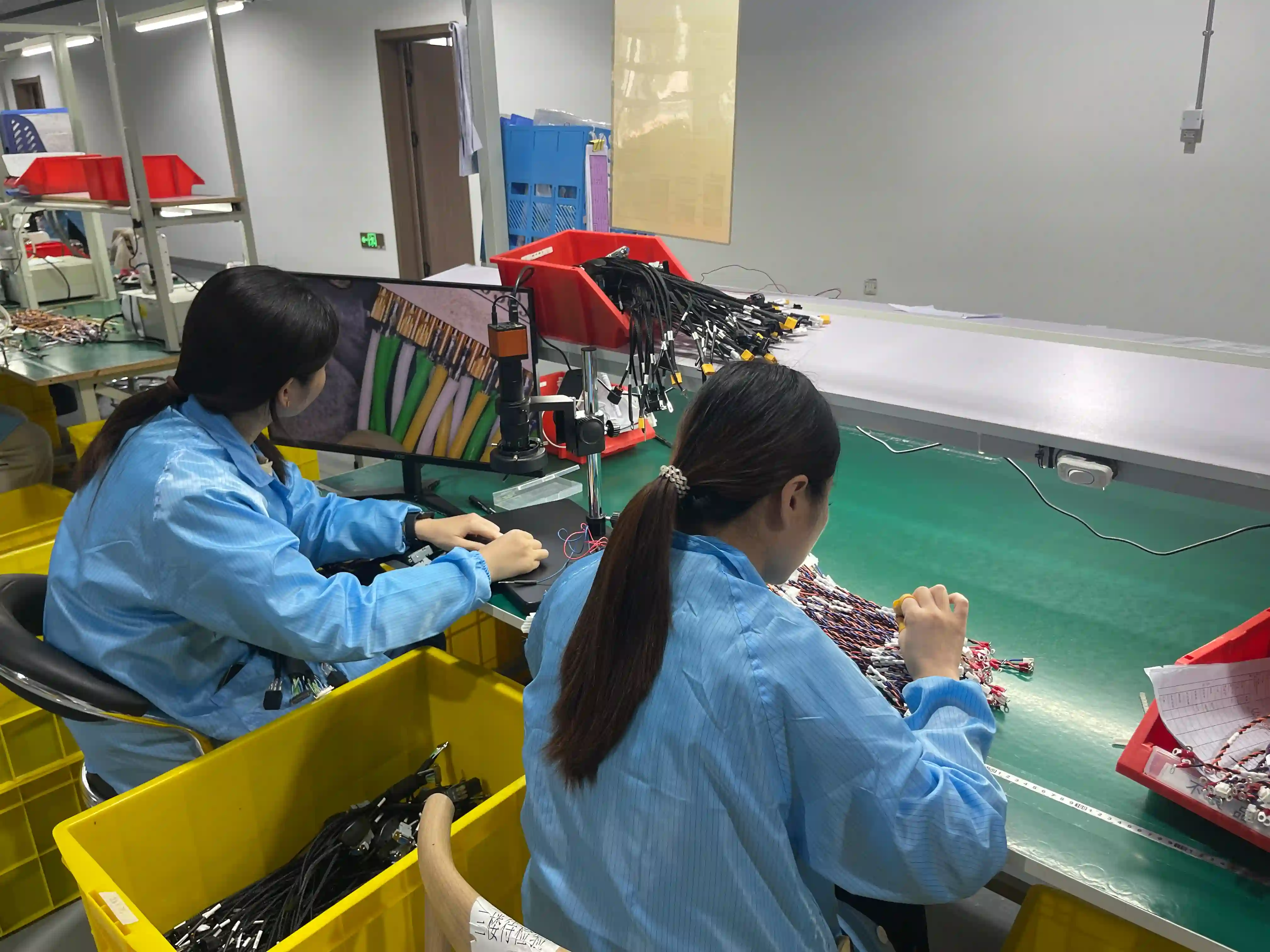

Need Custom Packaging Solutions for Your Wire Harnesses?
Our engineering team designs custom packaging systems that protect your cable assemblies from factory to installation. From ESD-safe materials to returnable container programs, we deliver harnesses that arrive in perfect condition.